Acoustic design plays a vital role in creating optimal spaces. It significantly impacts how we experience our environments, from offices to classrooms. Effective acoustic solutions can improve focus, productivity, and overall well-being. According to the World Health Organization, noise pollution can lead to serious health issues, including sleep disturbances and increased stress levels. This highlights what is the importance of acoustic design.
The American National Standards Institute states that poor acoustics can reduce worker productivity by 66%. In educational settings, studies show that students in well-designed acoustic environments perform better academically. Yet, many spaces neglect these principles. Buildings often prioritize aesthetics over sound quality, leading to distractions and discomfort.
Challenges remain in achieving ideal acoustic conditions. Architects and designers must balance aesthetics, functionality, and sound control. There's a need for improved collaboration among professionals in the field. As awareness grows, understanding the importance of acoustic design becomes essential for creating environments that foster well-being and success.
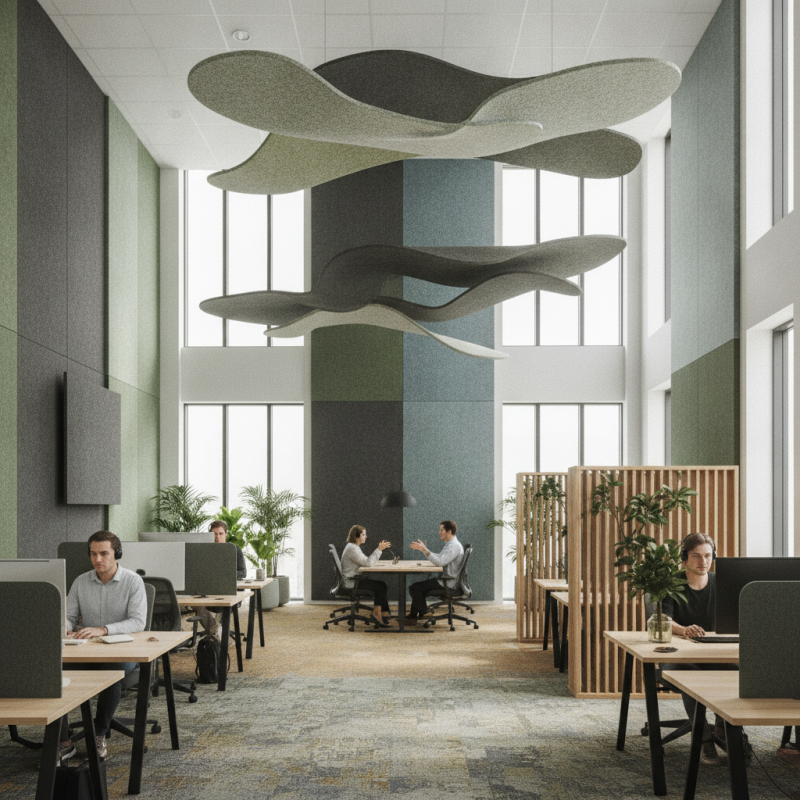
The Fundamentals of Acoustic Design in Architectural Spaces
Acoustic design plays a crucial role in architectural spaces. Poor acoustics can lead to discomfort and hinder communication. According to the World Health Organization, noise pollution significantly affects well-being and productivity. A well-designed space can enhance focus and mental clarity.
Understanding the basics of acoustic design is vital. This involves assessing room dimensions, surface materials, and sound absorption qualities. Studies show that spaces with optimal acoustics can increase productivity by up to 20%. For instance, installing sound-absorbing panels can reduce echo and improve dialog flow.
Beyond functionality, aesthetics matter too. Combining acoustic materials with design elements can create visually appealing spaces. However, sometimes achieving both can be challenging. Compromises might lead to either aesthetic shortcomings or inadequate sound management. This highlights the need for skilled architects who are aware of contemporary acoustic principles.
Understanding Sound Propagation and Its Impact on Environments
Acoustic design plays a crucial role in shaping our environments. Understanding sound propagation reveals how sound travels and interacts with different materials. According to the World Health Organization, excessive noise exposure can lead to health issues, including stress and hearing loss. Spaces like hospitals, schools, and offices benefit from careful acoustic planning.
In schools, poor acoustics can hinder learning. Research indicates that background noise affects students’ concentration and test scores. The National Institute for Occupational Safety and Health states that high noise levels in workplaces can impact productivity. Strategies like using sound-absorbing materials can help mitigate these issues. Designers must consider room size, shape, and the placement of objects to enhance sound quality.
Yet, not all spaces are optimized for acoustics. Many public venues overlook sound adjustments. This can result in reverberation issues that frustrate users. When sound echoes unnecessarily, communication suffers. It is essential to actively seek feedback after implementing design changes. This reflection can lead to improved sound environments, benefiting all who use the space.
Key Elements of Acoustic Treatment and Materials Selection
Acoustic treatment plays a crucial role in creating optimal spaces. When we think about acoustic design, we often overlook the materials used. It’s essential to choose the right type of material to achieve the desired sound quality. For instance, porous materials like acoustic panels absorb sound, while hard surfaces reflect it. Balancing these elements is key to preventing echoes and improving speech intelligibility.
The placement of acoustic treatments also requires careful consideration. Strategically placing panels on walls and ceilings can significantly affect sound distribution. Identifying reflective surfaces, such as windows or bare walls, can guide effective treatment locations. Experimenting with different arrangements might be necessary; what works in one space may not in another.
It’s worth noting that not all spaces require extensive acoustic treatment. Some environments, like lively cafes, thrive on vibrant sound. Others, like recording studios, demand precise adjustments. Assessing the specific needs of each space is invaluable. This means seeking expert advice when necessary, as understanding acoustics can be complex. Listening to feedback from those who use the space can also yield insights for improvements. Ultimately, effective acoustic design is a blend of science and art.
Understanding Acoustic Design for Optimal Spaces
This chart illustrates the key acoustic design elements and their importance levels in creating optimal spaces. Each element plays a critical role in enhancing the overall acoustic quality.
Benefits of Acoustic Design for Various Space Types
Acoustic design is vital for creating optimal spaces. It enhances the experience in various environments, from offices to concert halls. Each space has unique acoustic needs, and addressing these can lead to significant benefits.
In educational spaces, sound clarity is crucial. Good acoustic design minimizes distractions. This improvement leads to better learning outcomes. In corporate environments, strategic sound management promotes productivity. Employees can focus without disruptive noise.
Tips for improving acoustics include using soft furnishings. Carpets and curtains absorb sound effectively. Consider wall panels too; they help in reducing echo. Testing and tweaking designs can also lead to better results. Reflections and noise issues may require multiple adjustments.
Public spaces, like restaurants, benefit from thoughtful design as well. Patrons enjoy conversations without overwhelming background noise. Creating zones for quiet and lively interactions can enhance the dining experience. Balancing sound environments is not always easy. It requires continual assessment and adaptation.
Challenges and Solutions in Implementing Acoustic Design
Acoustic design is crucial for creating optimal spaces. However, implementing effective acoustic solutions can pose several challenges. Understanding these hurdles is key to achieving sound-friendly environments.
One common challenge is the lack of awareness regarding the importance of sound. Many builders and designers overlook acoustics during the initial planning stages. This can lead to noisy environments that hinder focus and comfort. Proper training and education about acoustic principles can help address this gap.
Another issue often faced is budget constraints. Acoustic treatments can be perceived as an extra expense. Yet, investing in soundproofing can greatly enhance user experience. Opting for cost-effective materials, like acoustic panels made from recycled materials, can provide a sustainable solution.
Tips for Better Acoustic Design:
- Use rugs and curtains to absorb sound in large rooms.
- Consider the layout—arranging furniture can dampen noise levels.
- Regularly evaluate the acoustics after implementation. This allows for adjustments as needed.
Listening to feedback from users can reveal persistent noise issues. Sometimes, what seems sufficient in design may not meet everyday needs. This reflection is essential in creating
effective spaces.
FAQS
: Acoustic design shapes environments and reduces noise exposure. Poor acoustics can lead to health issues like stress.
Background noise can hinder student concentration and test scores. This makes sound management critical in educational spaces.
Lack of awareness and budget constraints are common issues. Many overlook acoustics in initial planning stages.
Effective soundproofing improves comfort and focus. Investing in better acoustics is worthwhile for overall satisfaction.
Using recycled materials for acoustic panels can be sustainable. Simple adjustments like adding rugs can also help.
Regular evaluations allow for necessary adjustments. User feedback can help identify persistent noise issues.
Arranging furniture thoughtfully can dampen noise levels. The room's shape also affects how sound travels.
Yes, many public spaces overlook sound adjustments. This can lead to frustrating reverberation problems for users.
Feedback reveals what isn’t working. It’s essential to reflect on design choices based on user experiences.
Not always. Initial designs may fail to meet everyday needs. Continuous reflection and adjustment are necessary.
Conclusion
Acoustic design plays a crucial role in creating optimal spaces by enhancing sound quality and reducing noise pollution. Understanding sound propagation is fundamental, as it affects the way we experience environments, influencing both functionality and comfort. Key elements of acoustic treatment, including the selection of appropriate materials, are essential for different space types, ensuring that environments like concert halls, schools, and offices promote clarity and reduce distractions.
What is the importance of acoustic design? It not only improves the auditory experience but also contributes to the overall ambiance and productivity of a space. While implementing effective acoustic solutions can pose challenges, employing innovative strategies can lead to significant benefits, making acoustic design an indispensable aspect of architectural planning.

 Dubuild Panel