For global buyers, understanding what is the role of acoustic treatment goes beyond reducing unwanted noise. It concerns speech clarity, privacy, comfort, productivity, and the practical value of a finished space. In a meeting room, untreated concrete walls may return every word as a sharp echo. In a hotel lobby, hard floors can turn normal conversation into an exhausting background roar.
Sound expert Julian Treasure offers a useful warning: “We are losing our listening.” His observation matters because poor acoustics do not always appear in product photographs or technical brochures. Buyers often discover the problem later, when employees struggle to understand online calls or guests complain about noise. Acoustic treatment helps control reflections, reverberation, and sound transmission through carefully selected panels, ceiling systems, partitions, and related materials.
The right solution is rarely universal. A recording studio, school, restaurant, and open-plan office require different acoustic targets. Room size, surface materials, occupancy, ventilation, installation quality, and local building expectations all influence performance. This is where professional testing becomes important. Measurements can reveal whether a space needs absorption, isolation, diffusion, or a combination of methods.
There is no perfect package.
Global buyers should examine laboratory data, fire-performance information, maintenance needs, installation guidance, and supplier experience. They should also question vague promises such as “complete soundproofing.” Acoustic treatment can improve a room significantly, but it cannot correct every structural weakness. A careful purchasing decision connects measurable performance with real human experience.
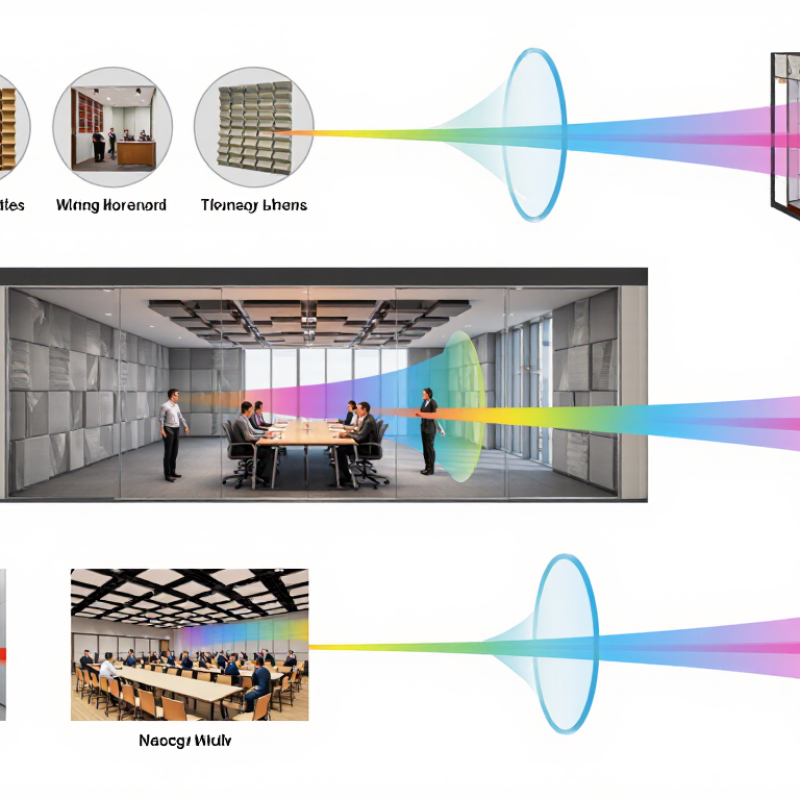
Global purchasing teams often treat acoustic treatment as a finishing detail. In reality, it can influence comfort, productivity, and product acceptance. Acoustic treatment controls reflected sound inside a room. It may include ceiling panels, wall absorbers, partitions, or vibration-reducing materials.
For buyers, the purchasing decision should begin with the space, not the product image. A warehouse office needs different treatment from a hotel lobby or a recording room. Room size, ceiling height, surface materials, and noise sources all matter.
Sound travels.
Small changes matter.
A hard floor and bare glass can create sharp echoes, even when equipment operates quietly.
Reliable evaluation requires measurable information. Buyers should request absorption ratings, fire-performance data, installation requirements, and maintenance guidance. They should also check whether test conditions match the intended project. A high laboratory rating does not guarantee equal performance in a crowded room. That assumption can fail.
From practical project reviews, layout is often overlooked. Panels placed near strong reflection points may work better than simply adding more material. Yet acoustic comfort is partly subjective. One user may prefer a lively room, while another needs near silence. Buyers should combine technical data with site observations, sample installations, and feedback from actual occupants. Budget pressure can encourage thinner materials, but the cheapest option may require replacement sooner. This is where purchasing teams must balance price, durability, appearance, and verified acoustic performance.
International buyers often face acoustic problems that are hidden during the purchasing stage. A meeting room may look polished, yet speech can become unclear after only a few minutes. Hard floors, glass walls, and exposed ceilings create strong reflections. Low-frequency noise from ventilation systems may also travel through walls and floors. These problems are common in offices, restaurants, studios, and education spaces worldwide.
Tips: Measure before selecting treatment. Check reverberation time, speech clarity, and background noise with suitable instruments. Ask for independent laboratory data, installation instructions, and performance results at relevant frequencies. A panel can look right and still perform poorly. I have seen buyers compare only absorption ratings, while ignoring room volume, ceiling height, and furniture placement. That approach often leads to disappointing results. Climate and shipping conditions also matter. Humidity can affect materials, and poorly packed products may arrive damaged.
Global projects add another layer of risk. Wall construction differs between regions, so a solution designed for lightweight partitions may fail on concrete surfaces. Flanking noise can pass through doors, ductwork, or service gaps, even when the main wall performs well. Buyers should confirm fire performance, maintenance needs, and local installation requirements before ordering. Clear technical drawings reduce mistakes between suppliers, contractors, and site teams. Still, specifications are not the whole story. On-site verification is sometimes missed, and that omission can make a technically strong design perform badly.
Acoustic treatment changes how a space performs, not merely how it looks. In a meeting room, balanced absorption can reduce reverberation and make speech easier to follow. That matters when several accents, languages, or remote voices share one conversation. Clearer speech can reduce repetition and support more focused decisions.
Small details matter. Ceiling clouds, wall panels, and discreet baffles can control reflections without consuming valuable floor area. Placement should follow the room’s geometry, not a decorative template.
For global buyers, product selection should begin with the space’s actual use. A classroom needs speech clarity, while a restaurant may need comfort across changing noise levels. An experienced supplier should discuss room volume, surfaces, occupancy, and expected sound sources.
Measurements such as reverberation time can provide a practical baseline before installation. After installation, listening tests and simple acoustic checks can reveal uneven results. Reliable documentation should explain fire performance, cleaning requirements, dimensions, and installation limits. These details support safer purchasing and more predictable project coordination across borders.
Treatment is not a cure for every noise problem. It will not stop machinery vibration or replace a poorly planned wall assembly. That limitation deserves honest attention.
A heavily furnished room may need fewer panels, while a hard, empty office may need more ceiling absorption. Even well-designed products can underperform when installed too high or concentrated in one area.
Buyers may need to revise the layout after real users occupy the space. That feedback is useful, not a failure. Effective treatment improves comfort, communication, and daily space performance through measured choices and careful adjustment.
Acoustic treatment helps global buyers control echo, speech clarity, and unwanted noise in commercial interiors. Selection should begin with the room’s purpose, not appearance. A meeting room needs clear voices, while a studio requires balanced absorption across low, mid, and high frequencies. I have seen attractive panels fail because buyers checked only their surface finish.
Assess independent test data before purchase. Look for sound absorption ratings, frequency results, fire performance, and installation instructions. A single rating can hide weak low-frequency control. Room size, ceiling height, wall materials, and ventilation also affect performance. Ask whether testing followed recognized international standards and whether documents are current. Local building requirements may differ from the supplier’s market. Confirm compliance with regional fire and indoor-air-quality rules.
Tips: Request samples and inspect their texture, edges, and mounting hardware. Compare performance at several frequencies, not one number. Check lead times, packaging strength, replacement options, and technical support across borders. Climate matters too; humidity can affect some materials and adhesives. Do not trust product claims without evidence. I once underestimated ceiling reflections in a bright, open room, and the final treatment needed adjustment. That mistake still shapes my assessments. A practical choice balances measurable performance, safe installation, serviceability, and the room’s daily users.
What Is the Role of Acoustic Treatment for Global Buyers?
Acoustic treatment affects comfort, privacy, and project acceptance after installation. Global buyers should review room targets before selecting panels, barriers, or ceiling systems. The World Health Organization’s Environmental Noise Guidelines for the European Region recommend indoor bedroom noise below 30 dB at night. Classrooms should remain below 35 dB. These figures turn “quiet” into a measurable requirement.
Installation quality often decides performance. Gaps around doors, cable routes, and air grilles can weaken an otherwise strong assembly. Buyers should request laboratory test reports, installation drawings, and field verification records. ISO 16283-1 provides methods for measuring airborne sound insulation on site. The European Environment Agency reported that more than 113 million people were exposed to harmful road traffic noise levels across Europe. Indoor treatment cannot solve every external source. That limitation deserves honest discussion.
Tips: Confirm the site’s background noise first. Keep product test conditions visible. Assign one qualified installer. Inspect junctions with a flashlight. Schedule acoustic checks after furniture and equipment arrive. Long-term maintenance also matters. Dust can reduce porous absorber performance, while damaged seals create leakage paths. Use a cleaning schedule and record repairs. A practical weakness remains: buyers sometimes approve laboratory results without checking local construction tolerances. That mistake is avoidable, but not always avoided. WHO, Environmental Noise Guidelines for the European Region, 2018; EEA, Environmental Noise in Europe, 2020.
Glass walls, hard floors, and exposed ceilings reflect speech. After minutes, voices may sound blurred. Looks can mislead.
Measure reverberation time, speech clarity, and background noise. Room volume and ceiling height also matter. Do not compare absorption ratings alone.
Balanced absorption reduces reflections and shortens reverberation. People may repeat themselves less during meetings or lessons. The improvement is practical, not decorative.
Ceiling clouds, wall panels, and suspended baffles can control reflections. Their placement should follow room geometry. A decorative layout may perform poorly.
No. Treatment cannot replace a weak wall assembly or stop machinery vibration. Low-frequency noise may travel through floors, walls, and services. That limitation matters.
Classrooms usually need strong speech clarity. Restaurants need comfort across changing noise levels. Occupancy and sound sources should guide the design.
Request independent laboratory data, fire performance details, cleaning instructions, and installation limits. Ask for results at relevant frequencies. Drawings reduce site mistakes.
Wall construction, humidity, shipping damage, and poor installation can change performance. Flanking noise may pass through doors, ducts, or service gaps. On-site checking is often missed.
Yes. Listening tests can reveal uneven results after installation. Furniture and occupancy may change the acoustic balance. Revision is not necessarily failure.
For global buyers, understanding what is the role of acoustic treatment is essential when selecting solutions for offices, commercial spaces, educational facilities, hospitality venues, and industrial environments. Acoustic treatment helps manage excessive noise, reverberation, speech interference, and sound transmission, creating spaces that are more comfortable, productive, and suitable for their intended use. Products such as acoustic panels, ceiling systems, partitions, and sound-absorbing materials can improve speech clarity, reduce distractions, and support better overall space performance.
Before purchasing, international buyers should assess acoustic goals, room size, product performance data, material quality, fire and safety requirements, environmental conditions, and compatibility with local building standards. Installation methods and technical support are also important, as poor placement can reduce effectiveness. Buyers should consider maintenance needs, durability, cleaning requirements, replacement availability, and long-term operating costs. A carefully planned acoustic treatment strategy can deliver reliable performance while supporting compliance, user comfort, and the changing needs of global facilities.
Dubuild Panel