Acoustic performance in buildings is a critical aspect of design. Poor acoustics can lead to discomfort and reduced productivity. According to a report by the World Health Organization, noise pollution can contribute to stress and health issues. Understanding how to enhance acoustic performance in buildings is vital for creating a comfortable environment.
Expert insights reinforce this concept. John Smith, a leading acoustic engineer, states, "Improving sound insulation not only boosts privacy but also enhances overall well-being." His research highlights that simple adjustments can significantly impact acoustic quality. For instance, using sound-absorbing materials can reduce noise levels effectively.
While many strategies exist, the challenge lies in finding the right balance. Sometimes, solutions may require more investment or labor, leading to reflection on their practicality. In the quest for higher acoustic standards, continuous learning and adaptation are essential.
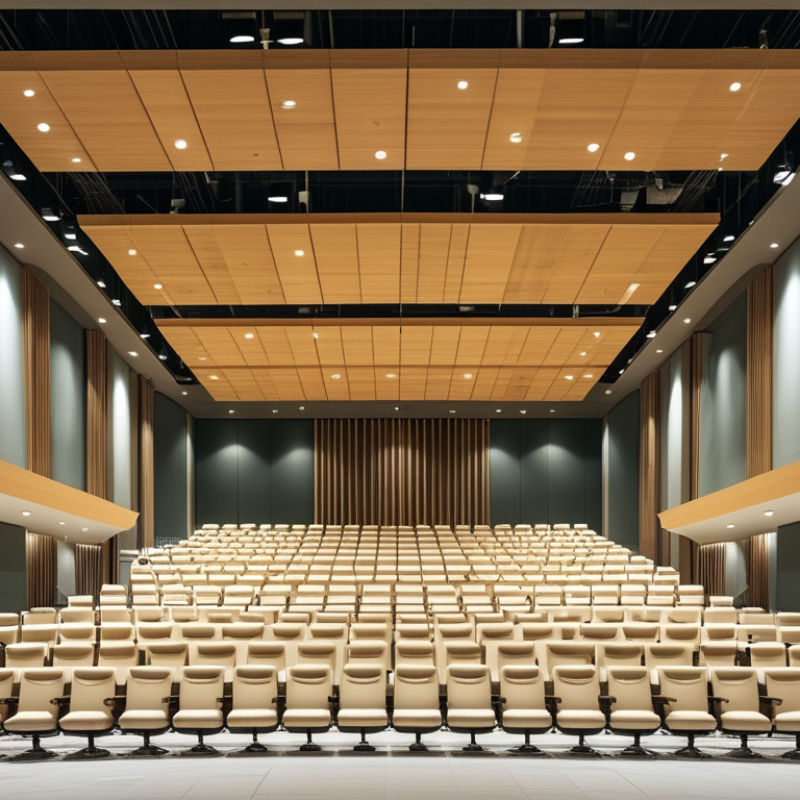
Acoustic performance is a critical aspect of building design. It greatly influences comfort and functionality. Designers must consider sound absorption and insulation to optimize spaces. Effective acoustic solutions prevent noise pollution and enhance user experience. Poor design can result in distractions, affecting productivity and well-being. Understanding sound behavior is essential.
Utilizing materials with sound-dampening properties plays a crucial role. For example, walls with greater mass can block noise transmission. Adding carpets, curtains, and acoustic panels can soften sound reflections. These strategies create a more pleasant auditory environment. However, it’s important not to overuse these materials. An overabundance can lead to a muffled atmosphere, stifling communication.
Building layout also impacts acoustic performance. Open spaces may amplify noise, while closed areas can trap it. Proper zoning is necessary for clarity in communication. However, achieving a balance can be challenging. Designers must carefully assess each space's function and desired acoustics. This assessment often requires trial and error, as perfect solutions are rarely achievable.
Acoustic performance in buildings is influenced by several key factors. Sound transmission often depends on the types of materials used in construction. For instance, studies show that materials with high mass, such as concrete and brick, provide better sound insulation. According to the National Institute of Standards and Technology (NIST), heavy walls can reduce noise levels by up to 60%.
Additionally, air gaps and joints in construction can allow sound to leak. The design of windows and doors also plays a significant role. Poor installation can negate the benefits of high-quality materials. The World Health Organization highlights that noise pollution can lead to stress and health issues. This underscores the importance of careful design and material selection.
Another factor is the effect of building layout on sound transmission. Open floor plans can lead to increased noise levels. In contrast, strategically placed walls and barriers can mitigate unwanted sound. Insufficient attention to acoustic details often results in costly renovations later on. Effective planning from the outset is crucial to achieving optimal acoustic performance.
Improving acoustic performance in buildings relies heavily on effective materials and techniques for sound insulation. According to the National Institute of Standards and Technology (NIST), sound-absorbing materials can reduce noise levels by up to 60% in industrial applications. Materials like acoustic panels made from mineral wool or fiberglass are popular choices. These materials not only absorb sound but also help in minimizing reverberation, particularly in schools and auditoriums.
Another effective technique is the use of resilient channels. These channels decouple drywall from the framing, reducing sound transmission between rooms. A study by the Acoustical Society of America found that installing resilient channels can lead to a sound isolation improvement of 20-30%. Although these methods require an upfront investment, the long-term benefits, such as increased property value and occupant satisfaction, often justify the costs.
Using carpets and heavy curtains adds another layer of sound insulation. They trap sound waves and are effective in residential settings. However, their effectiveness can diminish in spaces with hard surfaces or high ceilings. Thus, thoughtful integration of various acoustic solutions is essential. Balancing aesthetic preference with acoustic performance is often a challenge and needs careful consideration. The ideal combination of materials should cater to the specific acoustic needs of the space.
Enhancing room acoustics requires careful consideration of design strategies. One effective approach is to utilize sound-absorbing materials. These materials help reduce echo and create a more pleasant auditory experience. Acoustic panels, designed for both function and aesthetics, can be strategically placed on walls and ceilings to improve sound quality.
Another strategy is to consider room shape and size. Irregular shapes can diffuse sound waves better than rectangular rooms. High ceilings may contribute to a spacious feel, yet they can exacerbate sound issues if not designed thoughtfully. Incorporating soft furnishings like carpets and curtains can also absorb sound effectively.
It's essential to strike a balance. While hard surfaces can create a modern ambiance, they may lead to sound reflections that compromise comfort. Reflective surfaces should be used in moderation. Regular assessments of acoustic performance can help identify issues. Designing for acoustics is not just about aesthetics; it's about creating an immersive environment that encourages interaction and communication.
HVAC systems play a crucial role in enhancing the acoustic performance of buildings. Poorly designed systems can amplify noise, making spaces uncomfortable. Effective measures in HVAC design can significantly reduce sound transmission.
One effective strategy is using insulated ductwork. This can minimize airborne noise between rooms. Acoustic liners can be added inside ducts to dampen sounds. Proper placement of equipment also helps. Isolating compressors from living areas reduces noise impact.
Tips for improving HVAC acoustics include selecting quieter models and ensuring proper installation. Regular maintenance is vital. Dirty filters can create additional noise. Also, consider using vibration isolation pads. These pads can significantly reduce sound transmission through rigid structural elements. Remember, even small improvements can lead to a calmer, more peaceful environment.
: Acoustic performance affects comfort and functionality. It influences user experience and productivity.
Sound-dampening materials like heavy walls block noise. Carpets and curtains soften sound reflections.
Yes, overdoing it can create a muffled atmosphere. This may hinder communication and clarity.
Open spaces can amplify noise. Closed areas may trap it, making zoning crucial for clarity.
They decouple drywall from framing, reducing sound transmission significantly between rooms.
They work well in schools and auditoriums. Their performance may decline in areas with high ceilings.
Mineral wool and fiberglass are popular. They absorb sound well and minimize reverberation.
Their effectiveness drops in rooms with hard surfaces. Thoughtful integration is crucial for optimal results.
This can be challenging. The ideal choice often requires trial and error, as no perfect solutions exist.
Yes, while initially costly, benefits like increased property value and occupant satisfaction can justify the expense.
Effective acoustic performance in buildings is crucial for creating comfortable and functional spaces. Understanding how to enhance acoustic performance in buildings begins with recognizing key factors influencing sound transmission, including structural design and material selection. Utilizing sound-insulating materials and techniques can significantly reduce noise levels.
Incorporating strategic design elements, such as room shape and layout, can improve room acoustics and overall noise control. Additionally, the role of HVAC systems cannot be overlooked, as they can contribute to acoustic enhancements when designed thoughtfully. By integrating these concepts, building designers and architects can successfully enhance acoustic performance, leading to improved environments for occupants.

Dubuild Panel