10 Best Ways to Reduce Noise in Commercial Spaces?

Time:2026-05-25 Author:Henry
0%

Reducing noise in commercial spaces is crucial for productivity and comfort. As John Becker, a renowned acoustics expert, aptly states, "Effective noise management enhances workplace satisfaction." His insights highlight the importance of sound control.

Many businesses undervalue the impact of noise. It can distract employees and affect communication. Commercial spaces often struggle with echoes and disruptive sounds. Addressing these noise issues can lead to a more focused and tranquil environment.

Understanding how to reduce noise in commercial spaces requires a thoughtful approach. Simple changes, like adding acoustic panels or using sound-absorbing materials, can yield significant results. However, it's essential to remember that noise control is an ongoing process. Regular assessments and adjustments may be necessary to maintain an ideal atmosphere.
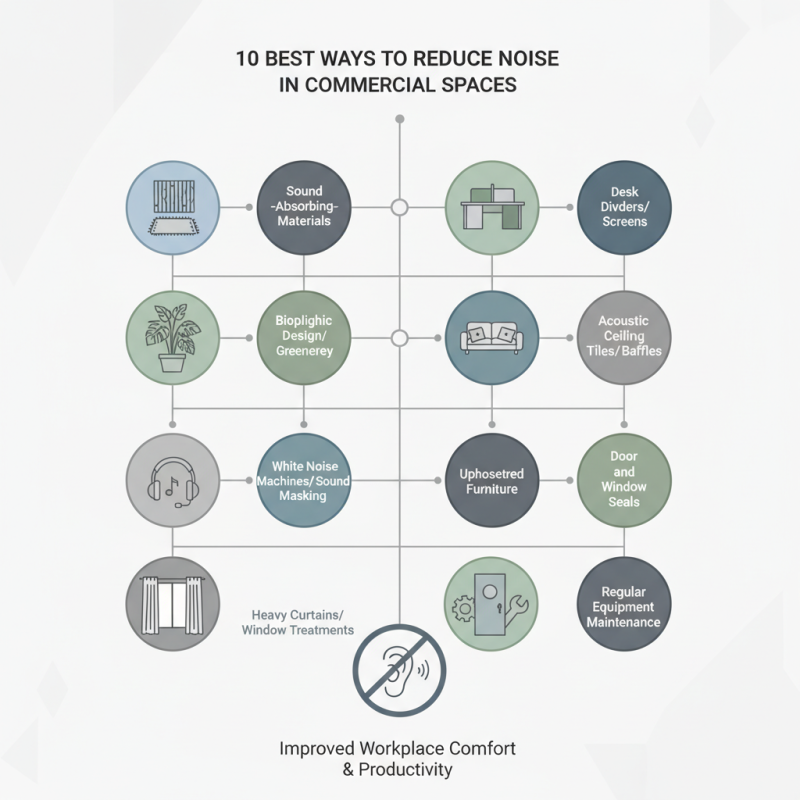
10 Best Ways to Reduce Noise in Commercial Spaces?

Understanding the Impact of Noise in Commercial Spaces

Noise in commercial spaces can have a significant impact on productivity and employee well-being. Studies show that excessive noise levels can lead to increased stress and decreased concentration. In open office settings, constant chatter or background sounds can disrupt focus. Employees may find it hard to complete tasks efficiently. The lack of a quiet environment can make work feel overwhelming.

It's essential to recognize how noise affects not only work performance but also overall job satisfaction. High noise levels can create fatigue, leading to lower morale. Many businesses overlook the importance of acoustics when designing or renovating their spaces. Basic elements like sound-absorbing materials can make a big difference. Adding plants or soft furnishings can also help reduce noise.

Addressing noise should not be an afterthought. Business owners need to proactively consider the acoustic environment. Regular feedback from employees can uncover noise-related issues. Continuous improvement is vital to creating a comfortable workspace. Striking a balance between an energetic atmosphere and a quiet zone is crucial.

Evaluating Sound Absorption Materials for Effective Noise Reduction

When it comes to reducing noise in commercial spaces, the choice of sound absorption materials is crucial. Effective sound absorption can significantly enhance the acoustics of an environment, making it more conducive for both employees and customers. Materials like acoustic panels, ceiling tiles, and carpeting can drastically lower noise levels. Each option has its benefits and drawbacks.

Acoustic panels are often used on walls to absorb high-frequency sounds. They are easy to install and come in various designs. However, these panels may not be effective for low-frequency noises. Ceiling tiles can also be beneficial, especially in large spaces with high ceilings. They help control echo but may require additional soundproofing for best results. Carpeting adds a soft touch and absorbs sound, but it may not be practical in high-traffic areas where maintenance is a concern.

Understanding the properties of different materials is essential for a successful application. A material that works well in one setting may not perform as expected in another. Inadequate testing can lead to suboptimal results. It’s vital to evaluate how different sound absorption materials interact with the specific acoustics of your space. Customizing your approach can lead to a more effective noise reduction strategy. Evaluating choices thoroughly ensures you are making informed decisions.

Implementing Acoustic Panels and Baffles for Better Sound Control

In commercial spaces, noise can be a significant issue. Implementing acoustic panels and baffles is an effective strategy. These materials absorb sound and minimize echoes. They can transform noisy environments into more pleasant spaces. The right setup will improve concentration and enhance communication.

When choosing acoustic panels, consider the material. Fiberglass panels often provide excellent sound absorption. Fabric-covered panels can also blend well with your decor. Aesthetics matter. They should fit seamlessly into the workspace design.

Another tip is to strategically place baffles in high-ceiling areas. They can reduce noise from upper floors. Experimenting with layout is vital. Regularly assess how sound behaves in your space. Sometimes, adjustments yield better results than expected. Keep an eye on employee feedback. Their insights can lead to improvements in sound control.

10 Best Ways to Reduce Noise in Commercial Spaces

Method Effectiveness Cost Estimate Installation Time
Acoustic Panels High $20-$50 per panel 1-2 hours
Acoustic Baffles High $30-$70 each 2-4 hours
Carpets and Rugs Medium $1-$5 per sq. ft. 1 day
Soundproofing Doors High $200-$500 each 2-3 hours
Double Glazing Windows High $300-$800 per window 1 day
Ceiling Tiles Medium $2-$7 per tile 1 day
Wall Treatments Medium $15-$30 per sq. ft. 2-3 days
Furniture Layout Low Free Instant
Plant Placement Low $20-$100 each Instant
Background Music Medium $50-$150 for equipment 1 hour

Designing Layouts to Minimize Noise Disruption in Workspaces

Creating effective layouts in commercial spaces significantly impacts noise control. According to a study by the World Health Organization, excessive noise can lead to decreased productivity, affecting employee morale. Designing a workspace that minimizes noise disruptions is essential for a positive work environment.

One effective strategy is to incorporate sound-absorbing materials. For example, using carpets instead of hard floors can reduce noise levels by 25%. Additionally, strategically placing furniture can help buffer sound. For instance, tall shelves can serve as barriers, diminishing sound travel between areas.

It's also important to consider the layout flow. Open spaces may seem modern, but they often amplify noise. Research from the University of Southern California indicates that reconfiguring layouts into smaller, semi-enclosed spaces can enhance acoustic comfort. Breaking up large areas creates quieter zones for focused work, fostering concentration and overall productivity.

Utilizing Plants and Natural Elements to Reduce Ambient Noise

In commercial spaces, noise can be disruptive. Utilizing plants and natural elements is an effective strategy. Adding greenery not only enhances aesthetics but also aids in sound absorption.

Plants can act as natural sound barriers. They absorb, reflect, and refract sound waves. This reduces overall noise levels significantly. For example, tall indoor plants like fiddle leaf figs or rubber plants can be placed strategically to block sound paths. They create a serene environment that promotes focus and productivity.

Tips for using plants effectively include grouping them for better impact. Dense arrangements can amplify sound-dampening effects. Consider using planters that can absorb noise as well. Incorporating elements like water features or natural wood materials can enhance the calming atmosphere. Remember, not every plant thrives in low-light spaces. Choose your indoor plants wisely. Regular maintenance is essential. Neglecting plants can lead to decay, which counteracts their benefits. Balancing beauty and function is key.

10 Best Ways to Reduce Noise in Commercial Spaces

The following chart illustrates the effectiveness of various methods to reduce ambient noise in commercial spaces, measured by their sound reduction capability in decibels (dB).

FAQS

: How does noise impact productivity in commercial spaces?

: Excessive noise can lead to increased stress and decreased concentration. It makes completing tasks difficult.

Why is the acoustic environment important for job satisfaction?

High noise levels can create fatigue and lower morale. This often affects overall job satisfaction negatively.

What role do plants play in reducing noise in offices?

Plants act as natural sound barriers. They absorb, reflect, and refract sound waves effectively.

How can plants enhance the aesthetic of a workspace?

Adding greenery improves visuals and contributes to a calming atmosphere, promoting focus and productivity.

What are some tips for using plants to reduce noise?

Group plants closely for better sound-dampening effects. Use water features for added tranquility.

What should be considered when choosing indoor plants?

Select plants that thrive in your light conditions. Regular maintenance is essential to prevent decay.

Why should businesses prioritize the acoustic environment?

Ignoring acoustics can harm employee well-being and hinder productivity. Employee feedback can highlight issues.

How can businesses create a balance between noise and quiet?

Striking a balance is crucial. An energetic atmosphere should be complemented by quiet zones for focus.

What materials can aid in sound absorption?

Sound-absorbing materials, plants, and soft furnishings significantly reduce noise levels in commercial spaces.

Can neglecting plant care have negative effects?

Yes, neglecting plants can lead to decay, reducing their sound-dampening benefits and detracting from the environment.

Conclusion

Noise in commercial spaces can significantly impact productivity and employee well-being. To understand how to reduce noise in commercial spaces, it is essential to first evaluate the sound absorption materials available. These materials play a crucial role in creating quieter environments. Implementing acoustic panels and baffles can effectively control sound by absorbing excess noise and preventing echoes.

Moreover, the layout of workspaces should be thoughtfully designed to minimize noise disruption. Arranging workstations strategically can help create quiet zones. Incorporating plants and natural elements not only enhances the aesthetic appeal but also contributes to noise reduction by absorbing sound. By combining these strategies, businesses can create a more conducive work environment that enhances focus and productivity.

Henry

Henry

Henry is a dedicated marketing professional with a profound expertise in the company's offerings. With years of experience in the industry, he possesses an impressive understanding of the market dynamics and consumer behaviors that drive success. Henry is committed to sharing his insights through......