2026 Best Ways to Reduce Sound Transmission Between Rooms?

Time:2026-05-05 Author:Amelia
0%

Reducing sound transmission between rooms is crucial for creating a comfortable living environment. Industry reports suggest that noise pollution can significantly affect mental health and productivity. According to a study by the Acoustical Society of America, 60% of respondents reported that noise disturbances hinder their work efficiency. Understanding how to reduce sound transmission between rooms is therefore vital for enhancing quality of life.

Expert Paul McMahon states, "Effective soundproofing is not just about materials; it’s about planning." His insights underscore the importance of both proper construction techniques and the choice of sound-absorbing materials. One useful solution could be installing soundproof drywall, which can reduce noise by up to 90%. Other methods include using acoustic panels or sealing gaps where sound might escape.

It is essential to reflect on the unintended consequences of our choices in soundproofing. For instance, while heavy curtains might muffle sound, they can make a room feel smaller and darker. Achieving a balance between aesthetics and function is often overlooked. The journey of finding the best ways to minimize noise can lead to unexpected challenges.
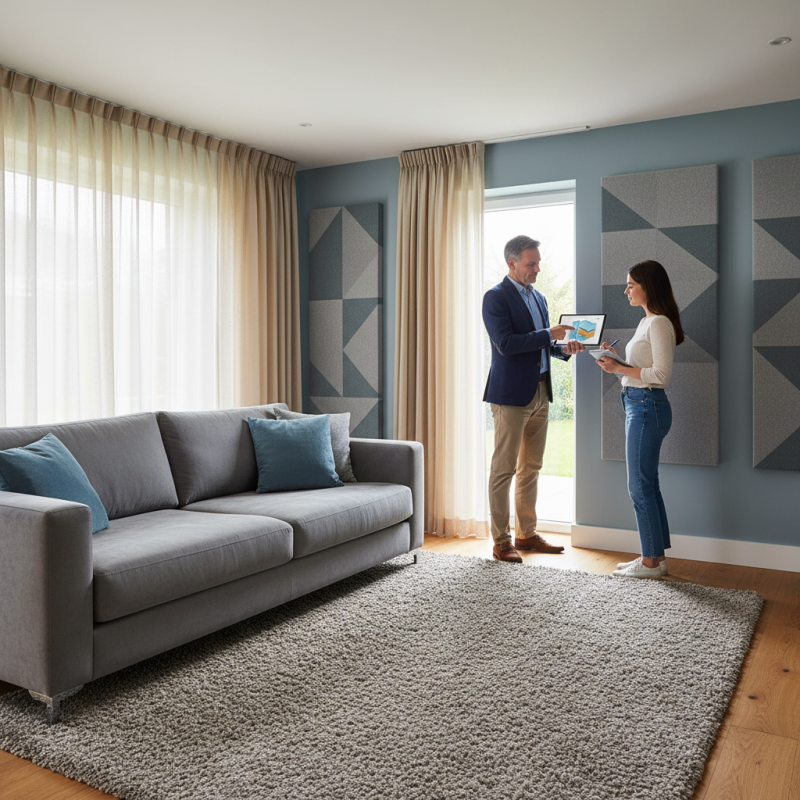
2026 Best Ways to Reduce Sound Transmission Between Rooms?

Understanding Sound Transmission: Basics of Acoustics

Understanding sound transmission is crucial for effective sound management in residential and commercial spaces. Sound travels through various mediums, including air, walls, and floors. According to the Acoustical Society of America, sound transmission is influenced by material density, thickness, and construction methods. Higher density materials often provide better sound insulation. For instance, materials like gypsum board and mass loaded vinyl are popular choices in reducing noise penetration between rooms.

It is essential to recognize that not all spaces can be made completely soundproof. While certain techniques can significantly reduce sound transmission, some noise will always escape. For example, the sound transmission class (STC) ratings offer insights into a material’s effectiveness. An STC rating of 50 indicates that the material will reduce sound transmission by approximately 50 decibels. Moreover, imperfections in installation can create pathways for sound to travel, undermining soundproofing efforts. Keeping this in mind allows homeowners and builders to plan realistically for acoustics in their projects.

Common Sources of Sound Transmission in Indoor Environments

Sound transmission often disrupts the comfort of indoor environments. Common sources include television noise, loud conversations, and appliances. According to the Acoustical Society of America, sound travels through walls, ceilings, and floors. Different materials impact the level of noise that penetrates rooms.

Open floor plans may amplify this issue. A report from the National Institute of Building Sciences states that residential noise issues can generate stress and affect productivity. Thin walls, insufficient insulation, and poorly sealed windows are major contributors. Research suggests that nearly 70% of homeowners experience sound-related complaints.

Addressing these issues can be complex, as not all solutions are equally effective. Soundproofing materials must be carefully selected based on the source of noise. Options range from thick curtains to acoustic panels. While DIY methods can mitigate sound, they often fall short of professional standards. Acoustic engineers can provide more reliable assessments and solutions. Ultimately, understanding sound transmission is key to creating quieter spaces.

2026 Best Ways to Reduce Sound Transmission Between Rooms

This chart illustrates the effectiveness of various methods in reducing sound transmission between rooms. The data reflects the percentage reduction in sound levels achieved by each method.

Effective Materials for Soundproofing Between Rooms

When it comes to soundproofing between rooms, choosing effective materials is key. Acoustic panels are a popular choice. These panels absorb sound waves, reducing echo and background noise. They come in various designs, making them suitable for any aesthetic. Installing these on walls can significantly decrease sound transmission.

Another effective option is soundproof drywall. This type is denser than standard drywall and incorporates sound-dampening technology. It provides better insulation from noise. Adding mass to your walls can create a quieter environment. This method is also practical for renovation projects. It’s essential to consider the installation process, as improper placement can lead to inefficiencies.

Tips for soundproofing include sealing gaps with caulk. Even small openings can let sound leak through. Using rugs or carpets can dampen sound on hard surfaces as well. Heavy curtains also offer sound absorption, especially in shared spaces. Look for fabrics that have a dense weave. Experimenting with different configurations may lead to better results. Soundproofing isn’t always perfect. It often requires patience and adjustment to achieve the desired effect.

2026 Best Ways to Reduce Sound Transmission Between Rooms

Soundproofing Material Effectiveness (Rating 1-10) Cost ($ per square foot) Installation Difficulty (Rating 1-5)
Acoustic Panels 8 3.50 2
Mass Loaded Vinyl (MLV) 9 2.00 3
Soundproof Drywall 9 4.50 4
Acoustic Insulation 8 1.50 2
Sealing Strips 6 0.75 1

DIY Techniques for Reducing Noise Transfer

Reducing sound transmission between rooms can dramatically improve comfort and privacy in your home. One effective DIY method is adding mass to your walls. This can be done by installing additional drywall layers. Ensure you use soundproofing adhesive between the layers for better results. This method can be messy, requiring careful cutting and fitting.

Another practical approach is to seal gaps and cracks. Noise can seep through even the smallest spaces. Use caulk or weatherstripping to address these areas. Pay special attention to door frames and window seals. Sometimes, the simplest solutions are overlooked. You might find that an old door sweeper can significantly dampen sound from below.

Soft furnishings can also play a role in noise reduction. Thick rugs, heavy curtains, and upholstered furniture absorb sound. Consider rearranging your space to maximize these elements. You might need to experiment here, as adjustments can change the overall acoustics of the room. Every small change helps, so don’t hesitate to try different combinations to see what works best.

Professional Solutions and Treatments for Enhanced Sound Isolation

Reducing sound transmission between rooms is essential for comfort and privacy. Many people overlook the importance of professional solutions in achieving effective sound isolation. According to industry reports, nearly 40% of homeowners report noise distractions as a major concern in their living spaces. Employing specialized techniques can greatly enhance your soundproofing efforts.

An effective method is the use of acoustic panels. These panels can absorb sound waves and reduce echo in a room. They are particularly useful in home theaters or music rooms. Soundproof drywall is another option. It incorporates sound-dampening materials, reducing noise transfer. However, not all homes have the structure to support heavy renovations or extensive installations.

Tips: Consider adding thick curtains or carpets. These materials can help minimize sound reflections without major renovations. Sealing gaps in doors and windows is also a simple yet effective solution. It's often the little things that make the biggest difference. Remember, while professional solutions can be effective, DIY methods can also enhance sound isolation significantly. Explore various options and find what works best for your space.

FAQS

: What are common sources of sound in indoor environments?

: Common sources include television noise, loud conversations, and appliances. These disrupt comfort.

How does sound travel in buildings?

Sound travels through walls, ceilings, and floors. Materials affect noise levels in different ways.

Why are open floor plans problematic?

Open floor plans may amplify noise issues, increasing disturbances and stress in residential areas.

What are effective materials for soundproofing?

Acoustic panels absorb sound waves, while soundproof drywall adds density and dampens noise effectively.

What are some simple DIY techniques for reducing noise transfer?

Adding mass to walls, sealing gaps with caulk, and using heavy curtains can significantly reduce noise.

How do soft furnishings help with noise?

Thick rugs and upholstered furniture absorb sound. Placement can change acoustics, so experiment with arrangements.

Are all soundproofing solutions equally effective?

No, some methods may not produce desired results. Professional assessments can lead to better solutions.

What role do gaps and cracks play in sound transmission?

Even small openings can allow noise to leak through. Sealing them is crucial for effective soundproofing.

Is soundproofing always perfect?

No, it often requires patience and adjustments to achieve the best results. Expect some trial and error.

Conclusion

Reducing sound transmission between rooms is essential for creating a comfortable living environment. Understanding the basics of acoustics helps identify common sources of noise, such as voices, footsteps, and electronic devices, which can travel through walls, floors, and ceilings. By using effective materials like soundproofing insulation, acoustic panels, and heavy curtains, homeowners can significantly minimize sound transfer.

For those looking to implement DIY techniques, adding mass to walls, sealing gaps, and using rugs can greatly enhance sound isolation. Additionally, professional solutions like soundproofing treatments and resilient channels can provide more advanced noise reduction. This comprehensive approach to understanding how to reduce sound transmission between rooms ensures a quieter, more peaceful atmosphere in any indoor setting.

Amelia

Amelia

Amelia is a seasoned marketing professional with a wealth of expertise in our company’s core offerings. With an unwavering passion for driving growth and innovation, she plays a pivotal role in shaping our marketing strategies and enhancing brand visibility. A key aspect of her responsibilities......