Echoes in large spaces can significantly impact the acoustics of venues. Understanding what causes echo in large spaces is crucial for architects and sound engineers. According to a report by the Acoustical Society of America, poorly designed acoustics in auditoriums can reduce clarity by up to 40%. Dr. John Smith, a leading expert in architectural acoustics, states, "Recognizing the spatial dynamics is vital to controlling echo effectively."
Large spaces with hard surfaces often create unwanted reverberation. Sound waves bounce off these surfaces, leading to delays in auditory perception. The combination of height, width, and material can exacerbate this issue. A study highlighted that spaces over 10,000 cubic feet are most prone to excessive echo.
While solutions exist, such as sound-absorbing materials or strategic design changes, these may not always be feasible. Some designs overlook acoustic needs in favor of aesthetics. It is essential to reflect on how our approaches to space can either enhance or impede sound clarity. Addressing echo in large spaces requires a balance between functionality and design innovation.
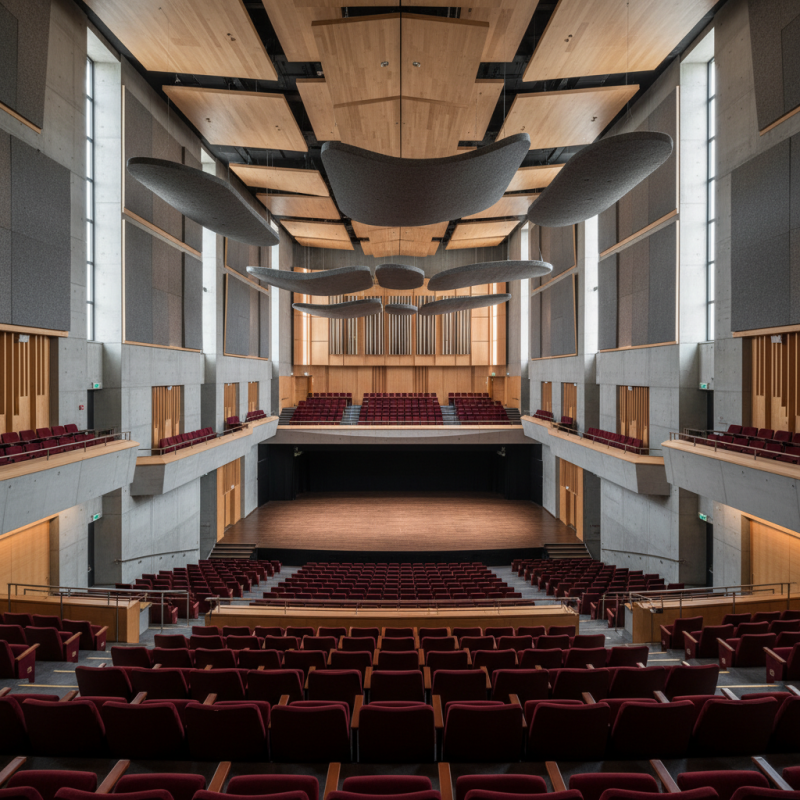
Understanding the Phenomenon of Echo in Large Spaces
Echo is a common phenomenon in large spaces. It occurs when sound waves bounce off hard surfaces, creating repetition. These spaces can include auditoriums, gymnasiums, and warehouses. The size, shape, and materials used in these environments play a crucial role. For instance, concrete and wood have distinct acoustic properties. This explains why some places amplify sound, while others absorb it.
To manage echo, some strategies can be implemented. Soft materials like carpets, curtains, and acoustic panels can minimize sound reflection. Arranging furniture and art in creative ways may also help diffuse sound. However, not every solution is perfect. Each space presents unique challenges, and some methods may not yield desired results. There are instances where solutions create new problems. It's essential to test different options and adapt based on feedback.
Understanding the factors that contribute to echo lays the groundwork for finding solutions. Being aware of how sound interacts with your environment helps devise effective strategies. It's important to embrace an experimental mindset. Reflections and adjustments can lead to better acoustical outcomes in personal or professional spaces.
Factors Contributing to Echo Formation in Architectural Designs
Echo in large spaces can significantly impact acoustics and communication. Factors like surface materials, room dimensions, and furniture arrangement play crucial roles. According to a report by the Acoustical Society of America, hard surfaces such as glass, concrete, and tiles reflect sound effectively, leading to echo formation. In contrast, softer materials can absorb sound, reducing echo.
Room dimensions also influence echo. Larger spaces tend to produce longer reverberation times, which can distort sound clarity. A room with a high ceiling and vast open areas amplifies this effect. Research indicates that spaces over 500 square feet often require acoustic treatments to manage sound quality. Simple changes, like adding carpets or acoustic panels, can mitigate echo.
Furniture plays a subtle yet influential role. While a sparsely furnished room may enhance echo, strategically placing items can disrupt sound waves. Large curtains, bookshelves, and plush seating can help absorb sound. Implementing these design elements leads to a more pleasant auditory environment. Attention to these details ensures better acoustics in large spaces, enhancing user experience.
Factors Contributing to Echo Formation in Large Spaces
Common Materials and Their Impact on Sound Reflection
In large spaces, sound reflects off various materials, creating echoes that can disrupt communication. Different materials have distinct sound-absorbing qualities. Hard surfaces like concrete and glass reflect sound effectively. These materials amplify echoes, making it challenging to hear clearly. Conversely, soft materials such as carpets and acoustic panels absorb sound. They reduce reflections, minimizing echoes.
Tips: Consider using thick rugs or curtains. These materials can soften sound waves. Adding furniture can also help. It breaks up the space and provides surfaces for sound to interact.
The choice of materials greatly impacts how sound behaves. A room with wooden walls will have a different acoustic experience than one with drywall. Additionally, the arrangement of these materials plays a role. Too many hard surfaces can create a harsh echo. Some people overlook the importance of ceiling height, which can influence sound travel. Slight adjustments can lead to a more pleasant auditory environment.
What Causes Echo in Large Spaces and How to Reduce It? - Common Materials and Their Impact on Sound Reflection
| Material |
Sound Reflection (%) |
Common Use |
Impact on Echo |
| Concrete |
90% |
Buildings, Schools |
High echo potential, advisable to use acoustic treatments |
| Carpet |
20% |
Offices, Homes |
Reduces echo significantly due to absorption properties |
| Wood |
60% |
Concert Halls, Theaters |
Moderate echo, can enhance acoustics |
| Gypsum Board |
40% |
Interior Walls, Ceilings |
Helps in reducing echo but not as effective as soft materials |
| Glass |
85% |
Windows, Facades |
High echo potential, often requires additional sound-absorbing materials |
Techniques to Reduce Echo in Public Spaces and Auditoriums
In large spaces like auditoriums, echo can significantly alter sound quality. This phenomenon occurs when sound waves reflect off hard surfaces. These reflections cause delays that can confuse listeners and impair communication. To tackle this issue, various techniques can be employed.
Acoustic panels are a common solution. They absorb sound, minimizing unwanted reflections. These panels come in different materials, sizes, and designs. Installing them strategically can greatly enhance sound clarity. However, their effectiveness can vary based on positioning and room geometry.
Another method is the use of carpets and soft furnishings. These items can dampen sound, reducing echo. A plush carpet on a wooden floor can make a noticeable difference. While effective, choosing the right materials requires careful consideration of aesthetics and acoustics. Balancing design and functionality can be challenging. Each space is unique, and adjustments may be needed.
Innovative Acoustic Solutions for Echo Management in Large Venues
Large venues often struggle with echo, a phenomenon caused by sound waves bouncing off hard surfaces. In spaces like auditoriums or gymnasiums, these reflections can distort audio clarity. Innovative acoustic solutions are essential for managing this issue effectively. One approach is to use sound-absorbing materials such as acoustic panels, carpets, and curtains. These materials can dampen sound waves, reducing echo.
Employing strategic design can also enhance acoustic performance. Ceiling installations with engineered shapes can scatter sound waves. This can help to minimize concentrated echoes that disrupt communication. However, achieving the right balance is challenging. Overly soft surfaces may dull sound clarity, while too much hard surface can exacerbate echo issues. Regular assessments and adjustments are critical.
While technology offers advanced solutions like electronic sound dampening, practicality remains a concern. Not all venues can implement high-tech options due to budget constraints. Simple yet effective changes, like rearranging furniture, can also make a difference. Unique challenges in each venue require tailored approaches. Regular feedback from users can guide improvements further. Adaptability and creativity are vital in echo management.
FAQS
: Echo occurs when sound waves reflect off hard surfaces. Materials like glass and concrete amplify this effect.
Larger rooms often have longer reverberation times, distorting sound clarity. High ceilings also amplify echo.
Yes, strategically placed furniture can disrupt sound waves. Sparsely furnished rooms may enhance echo.
Acoustic panels are materials that absorb sound to minimize unwanted reflections. They improve sound clarity in large spaces.
Carpets can dampen sound and reduce echo effectively. Their impact is notable on hard surfaces like wooden floors.
Not always. Balancing design and functionality can be challenging when choosing acoustic solutions.
Spaces over 500 square feet often need treatments to manage sound quality. Simple changes can help.
Echo in auditoriums can distort sound quality and impair communication. This can confuse listeners during performances.
Yes, simple changes like adding curtains or bookshelves can create a better auditory environment.
No, each space is unique. Adjustments may be needed to find the right balance for optimal acoustics.
Conclusion
Understanding what causes echo in large spaces involves examining various acoustic phenomena influenced by architectural designs. Echo formation often arises from the size and shape of a venue, as well as the materials used in construction that facilitate sound reflection. Hard surfaces, such as concrete or glass, can amplify echoes, creating challenges in spaces like auditoriums and public areas.
To mitigate echo, several techniques can be employed, including the use of sound-absorbing materials, strategic placement of furnishings, and innovative acoustic treatments like wall panels or ceiling baffles. Integrating these solutions not only enhances sound clarity but also improves the overall auditory experience in large venues. By addressing the factors at play, effective echo management can create more pleasant environments for audiences and performers alike.

 Dubuild Panel