What Causes Echo in Large Spaces That You Need to Know?

Time:2026-07-29 Author:Mason
0%

Understanding what causes echo in large spaces is essential for architects and acousticians. Dr. Emily Carter, a leading expert in sound acoustics, once noted, "The shape and materials of a space have a profound effect on auditory experiences." When sound waves reflect off hard surfaces, they create echoes that can be both fascinating and challenging.

In venues like concert halls or gymnasiums, echoes can distort sound clarity. Factors such as ceiling height, wall materials, and room dimensions play vital roles. For instance, a spacious hall with concrete walls may enhance reverberation, leading to unclear audio. The specifics of each environment influence how sound travels.

This complexity prompts many to ponder: why does this happen? As we delve deeper into what causes echo in large spaces, it's essential to also consider how it impacts our everyday experiences. Understanding these dynamics can help us design better spaces for communication and performance. However, many still overlook these details, leading to poor sound quality in important events.
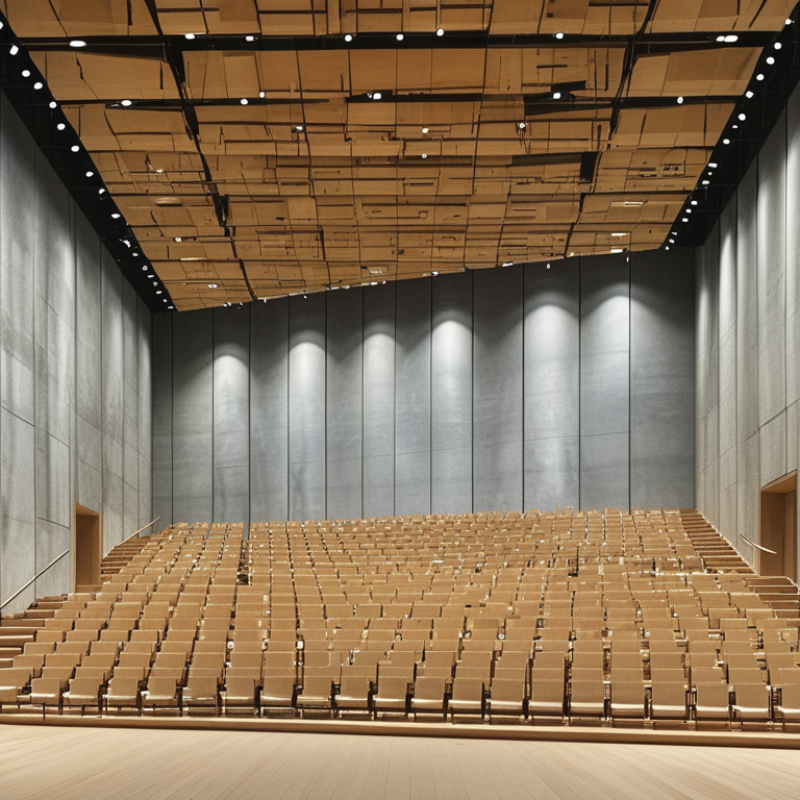
What Causes Echo in Large Spaces That You Need to Know?

Understanding the Phenomenon of Echo in Large Spaces

Echo is a fascinating phenomenon that occurs in large spaces, such as auditoriums or canyons. Understanding how sound behaves in these environments is crucial. When a sound wave travels, it bounces off surfaces. This reflection creates an echo. The distance and material of walls, floors, and ceilings affect this process.

In a large hall, sound waves may reflect multiple times before reaching your ears. A clap or a shout can produce a delayed return, creating an echo that can be enchanting or disorienting. The larger the space, the longer the delay. Hard surfaces like concrete or glass amplify these reflections, while carpets and curtains can minimize them. This contrast leads to an intriguing exploration of acoustics.

However, not all echoes are pleasant. Some can distort sound, making it odd or unclear. In concert halls, a well-designed space balances echoes to enhance experiences. Understanding these dynamics helps architects create effective venues. Echo is an interplay of sound and space, revealing how we perceive our environment. Reflecting on these interactions can lead to better designs in the future.

Factors Contributing to Echo Formation in Enclosed Areas

Echoes in large spaces can be fascinating yet frustrating. Understanding the factors that contribute to echo formation is crucial. The shape of an enclosure plays a major role. For example, a long corridor can amplify sound reflections, making echoes more pronounced. Hard surfaces, like concrete or tiles, can bounce sound waves effectively. This means that areas with minimal soft furnishings often experience greater echo.

Another critical factor is the size of the space. Larger areas give sound waves more time and distance to travel before they bounce back. The height of a ceiling can also intensify echoes, as the sound travels upwards and reflects downwards. Rooms with irregular shapes can complicate the sound's path, leading to unexpected echo patterns.

Consider this tip: adding soft materials like rugs or curtains can significantly reduce echoes. Sound-absorbing panels can also help in larger venues. If you find that your space has excessive echo, try to experiment with furniture placement. Rearranging items can alter the sound dynamics, making your vocal experience more pleasant. Small changes can lead to significant improvements in reducing echo.

Impacts of Surface Materials on Sound Reflection and Echo

In large spaces, the choice of surface materials plays a crucial role in sound reflection and echo. Hard surfaces, like concrete and glass, reflect sound waves effectively. This reflection can create a cascading effect, leading to prolonged echoes that can disrupt communication and sound quality. When individuals gather in such spaces, the clarity of spoken words can diminish quickly.

Conversely, softer materials like carpets and acoustic panels absorb sound waves. These materials help to dampen echo, creating a more pleasant auditory environment. When designing large auditoriums or conference centers, it’s vital to assess these materials' properties. Imbalance in surface textures could lead to confusing acoustics.

In practice, many spaces reveal their inadequacies through echo issues. Observing how sound behaves in various environments can guide better material choices. Ensuring a balance of reflective and absorptive surfaces is an act of architectural mindfulness. Engaging with sound in interior design requires careful consideration to avoid pitfalls.

Role of Room Dimensions and Shapes in Echo Generation

In the study of acoustics, room dimensions and shapes play a crucial role in echo generation. According to a report by the National Institute of Standards and Technology, larger spaces often produce more noticeable echoes due to sound wave reflection. High ceilings can exacerbate this effect, allowing sound waves to travel further before bouncing back. This can create a disorienting experience in auditoriums or gymnasiums.

The shape of a room also significantly influences how sound behaves. For instance, a rectangular room tends to promote standing waves, which can lead to amplified echo effects in specific frequencies. A curved surface, like a dome, can distribute sound more evenly but may also create unwanted focus points. Adjusting wall angles or adding sound-absorbing materials could help, yet it’s often overlooked in building design.

Listeners are unlikely to notice echo until it disrupts communication or performance. The challenge lies in balancing aesthetic design with acoustical functionality. Poorly designed spaces can lead to frustrating auditory experiences, highlighting the need for better integration of acoustic considerations in architectural planning. Understanding these factors can help mitigate the issues associated with unwanted echoes.

Techniques for Controlling and Reducing Echo in Large Venues

In large venues, echo can significantly impact sound quality. This effect occurs due to sound waves bouncing off hard surfaces. Research indicates that spaces with high ceilings and reflective materials, such as concrete and glass, amplify these echoes. According to the Acoustical Society of America, controlling echo is essential for clear communication in auditoriums and sports arenas.

To reduce echo, employing sound-absorbing materials is crucial. Installing acoustic panels and using carpets can help minimize reflections. In some cases, adding drapes or curtains can also make a difference. A study from the National Institute of Standards and Technology shows that even small adjustments can reduce echo by up to 60%. This highlights the need for thoughtful design in large spaces.

Another technique involves strategic sound system placement. Positioning speakers to direct sound toward walls can help mitigate echo. However, achieving the right balance is challenging. Overemphasis on soundproofing can create a dull auditory experience. It's essential to find solutions that enhance sound clarity while maintaining the venue's vibrancy. Understanding the nuances of acoustics in large spaces remains a complex yet vital aspect of venue management.

FAQS

: What factors contribute to echo formation in enclosed areas?

: The shape of an enclosure significantly impacts echoes. For instance, long corridors amplify sound reflections.

How do hard surfaces affect echo?

Hard surfaces like concrete or tiles effectively bounce sound waves, leading to greater echo in those spaces.

Why does the size of a room matter for echo?

Larger areas allow sound waves more distance to travel, which amplifies the echo effect.

Can ceiling height influence echo intensity?

Yes, higher ceilings can intensify echoes as sound travels upwards and reflects downwards.

What materials can help reduce echo?

Adding soft materials, such as rugs or curtains, can significantly reduce echo in a space.

How can furniture placement affect echo?

Rearranging furniture can alter sound dynamics, improving the vocal experience and reducing echo.

What are sound-absorbing materials?

Acoustic panels and carpets are examples that help minimize sound reflections in large venues.

What technique can help control echo in large venues?

Positioning speakers to direct sound towards walls can help mitigate echo effectively.

Is it possible to reduce echo by small adjustments?

Yes, small changes can reduce echo by up to 60%, highlighting the importance of thoughtful design.

What’s a potential downside of excessive soundproofing?

Overemphasis on soundproofing can create a dull auditory experience, impacting overall sound quality.

Conclusion

Echo in large spaces is a fascinating phenomenon that occurs due to various factors, including the characteristics of the room and the materials used within it. Understanding what causes echo in large spaces involves considering how sound waves interact with surfaces and how these interactions lead to sound reflections that contribute to the perception of echo. Factors such as the dimensions and shapes of a room play a crucial role, as larger, more reflective surfaces can amplify sound waves, resulting in longer echo durations.

Surface materials significantly impact sound reflection, as softer materials tend to absorb sound while harder surfaces reflect it. By employing techniques such as sound absorption panels, strategic design of room dimensions, and careful selection of interior materials, it is possible to control and reduce echo in large venues. This not only enhances the auditory experience for audiences but also contributes to better overall sound clarity in any large space.

Mason

Mason

Mason is a seasoned marketing professional with a deep expertise in the company's offerings and a passion for driving brand awareness. With a strong background in digital marketing strategies, he has an innate ability to connect with diverse audiences and effectively communicate product benefits.......