Effective noise control is essential in various environments, such as offices, homes, and industrial settings. In fact, studies show that excessive noise can lead to various health issues, including stress and decreased productivity. According to the World Health Organization, noise pollution can disrupt sleep patterns, causing fatigue and mental health issues. Thus, understanding what materials help reduce noise is crucial for creating a more harmonious space.
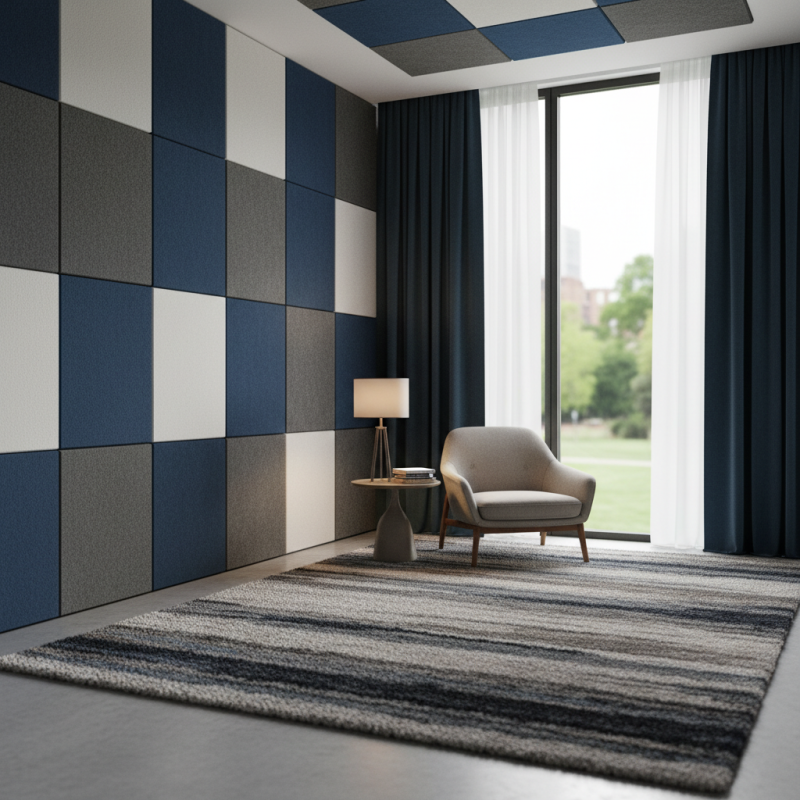
Materials designed for sound absorption play a key role. Acoustic panels, carpets, and heavy drapes can effectively minimize sound transmission. The National Institute of Building Sciences notes that integrating these materials can cut noise levels by 50% in some cases. However, selecting the right materials requires careful consideration of their properties. Not all materials perform equally under different conditions.
It's important to acknowledge the limitations and potential trade-offs when choosing noise-reducing materials. For instance, while softer materials may absorb sound effectively, they might not provide the same level of durability as harder surfaces. Additionally, finding a balance between aesthetics and performance can be challenging. Users should reflect on their specific needs and priorities to make informed choices.
Understanding Noise: The Importance of Material Selection
Noise pollution is a significant concern in modern environments, impacting health and productivity. Choosing the right materials can play a crucial role in noise reduction. According to a study by the National Institute of Environmental Health Sciences, prolonged exposure to noise can lead to stress, sleep disturbances, and even cardiovascular issues. Material selection, therefore, is not merely an aesthetic decision but one that affects well-being.
When selecting materials, consider sound-absorbing properties. For example, soft textiles can dampen sound waves. In contrast, hard surfaces often reflect sound, increasing noise levels. Acoustic panels, made from specialized foam, can effectively minimize echo and reverberation. Research shows that spaces incorporating such materials can achieve a 50% reduction in noise levels.
**Tips:** Opt for carpets and drapes in high-traffic areas. They can significantly reduce the auditory footprint of a space. Additionally, explore new innovations like soundproof glass or green roofs. These materials not only serve a functional purpose but also promote a peaceful environment.
It's essential to balance aesthetics and practicality. Some materials might look appealing but offer little in noise reduction. Regularly assessing your choices against industry data will help in making informed decisions. Consider the long-term impact of noise and prioritize material selection accordingly.
Key Properties of Sound-Absorbing Materials
When selecting materials to reduce noise, understanding sound-absorbing properties is vital. Key properties to consider include density, thickness, and porosity. According to a report by the Acoustical Society of America, denser materials can effectively block sound waves. Materials with a higher density, such as felt or rubber, are often more effective in noise reduction. They absorb sound energy rather than reflect it.
Thickness also plays a critical role. Research indicates that thicker materials generally provide better sound absorption. For instance, acoustic panels need a minimum thickness to ensure they significantly dampen noise, especially in frequencies around 500 Hz. Porosity is another essential property. Open-cell foam, for example, allows sound waves to penetrate and dissipate energy within the material. A study published in the International Journal of Acoustics highlights that open porous materials can absorb up to 70% of sound in certain frequency ranges.
However, choosing the right material is not always straightforward. Not all high-density or thick materials perform equally well in every environment. Sometimes, the aesthetic considerations of a space may conflict with acoustical requirements. The effectiveness of sound-absorbing materials can vary based on installation and room characteristics. This variability calls for careful evaluation and understanding of each material's true performance in your specific context.
Types of Materials Effective for Noise Reduction
When choosing materials for noise reduction, various options can help create a quieter environment. Commonly used materials include acoustic panels, carpets, and heavy curtains. These products absorb sound effectively, minimizing echoes and reverberation in rooms.
Acoustic panels, made from dense foam, are particularly useful in studios or offices. They can be installed on walls or ceilings, often enhancing both aesthetics and function.
Mass-loaded vinyl is another effective choice. This material adds weight to walls without taking up much space. It’s particularly helpful in apartment buildings where noise transfer is problematic. Additionally, insulation materials, like fiberglass or cellulose, can be utilized within walls to prevent sound movement. However, installation requires careful attention to detail. Gaps or overlaps may reduce effectiveness.
For outdoor noise, landscaping can be surprisingly useful. Dense vegetation and thoughtfully placed earthen barriers help absorb sound from streets or nearby construction. While these options require time and investment, the results can be rewarding.
Selecting the right materials often involves trial and error. Evaluating the specific needs of your space is essential for achieving the best acoustic results.
Factors to Consider When Choosing Noise-Reducing Materials
When selecting noise-reducing materials, consider several key factors. The first is material density. Heavier materials, like mass-loaded vinyl, typically absorb sound better. A study by the Acoustical Society of America states that such materials reduce sound transmission significantly. Additionally, consider the material's texture. Soft, porous materials tend to scatter sound waves, increasing absorption. Fiberglass insulation, for instance, excels in this area.
Tips: Always test samples in your environment. Different spaces may respond uniquely to the same materials.
Next, understand the frequency of the noise you aim to reduce. Low-frequency sounds, such as bass from speakers, require denser and thicker materials for effective blocking. High-frequency noises, like conversation or keyboard typing, might be mitigated with softer materials.
Another variable is installation method. Poor installation can undermine soundproofing efforts, regardless of material quality. Proper sealing and layering can enhance effectiveness. Utilizing products with high Noise Reduction Coefficients (NRC) can ensure better results.
Tips: Research installation techniques. Engage professionals if needed. Poor choices here can lead to disappointment.
Noise Reduction Effectiveness of Various Materials
Applications of Noise-Reducing Materials in Various Settings
Noise-reducing materials play a vital role in various settings. In residential areas, using sound-absorbent panels can significantly lower noise levels. According to a recent report by the Acoustical Society of America, well-designed acoustic treatments can decrease sound transmission by up to 50%. This improvement fosters a calming environment, which is especially beneficial in busy urban homes.
In commercial settings, the application of noise-reducing flooring is essential. Carpet helps dampen foot traffic sounds, improving overall productivity. Research indicates that workplaces with sound-absorbent materials report up to a 30% increase in employee satisfaction. This is crucial for retaining talent and creating a pleasant atmosphere where people can thrive.
Soundproofing in healthcare facilities is another critical application. These materials can minimize disturbances, allowing patients to rest better. A study published in the Journal of Hospital Medicine noted that reduced noise levels correlate with faster recovery rates. Reflecting on these findings, it is clear that the choice of materials can significantly impact health and well-being across different environments.
FAQS
: Material selection affects well-being by reducing noise pollution and its impact on stress and productivity.
Soft textiles, acoustic panels, carpets, and heavy curtains effectively absorb sound and minimize echoes.
Denser materials, like felt or rubber, block sound waves more effectively and absorb sound energy.
Thicker materials generally provide better sound absorption, particularly for specific frequencies around 500 Hz.
Yes, appealing materials may not offer good noise reduction, creating a need for careful evaluation.
Dense vegetation and earthen barriers can absorb outdoor noise from streets and construction sites.
Ensure no gaps or overlaps in installation; these can significantly reduce the effectiveness of soundproofing materials.
Regular assessment helps align material selection with industry data and ensures optimal noise reduction over time.
Innovations like soundproof glass or green roofs serve functional purposes and promote peaceful environments effectively.
No, selecting effective materials often involves trial and error due to varying performance in different environments.
Conclusion
Choosing the right materials is crucial for effective noise reduction in various environments. Understanding noise and its impact highlights the importance of selecting appropriate sound-absorbing materials. Key properties such as density, thickness, and porosity play significant roles in the effectiveness of these materials. Common types of materials that help reduce noise include acoustic panels, carpets, and specific insulation products designed to dampen sound.
When considering what materials help reduce noise, various factors must be evaluated, including the setting, the frequency of the noise, and the desired level of sound reduction. Applications range from residential spaces to commercial buildings, where tailored solutions can greatly improve acoustic comfort. By focusing on these elements, one can make informed decisions that lead to more serene and productive spaces.

 Dubuild Panel