How to Soundproof a Room Effectively for Ultimate Peace?

Time:2026-04-03 Author:Mason
0%

Creating a peaceful environment is essential for well-being. Noise pollution affects our daily lives and mental health. According to the World Health Organization, prolonged exposure to high noise levels can lead to serious health issues. Thus, understanding how to soundproof a room effectively becomes crucial.

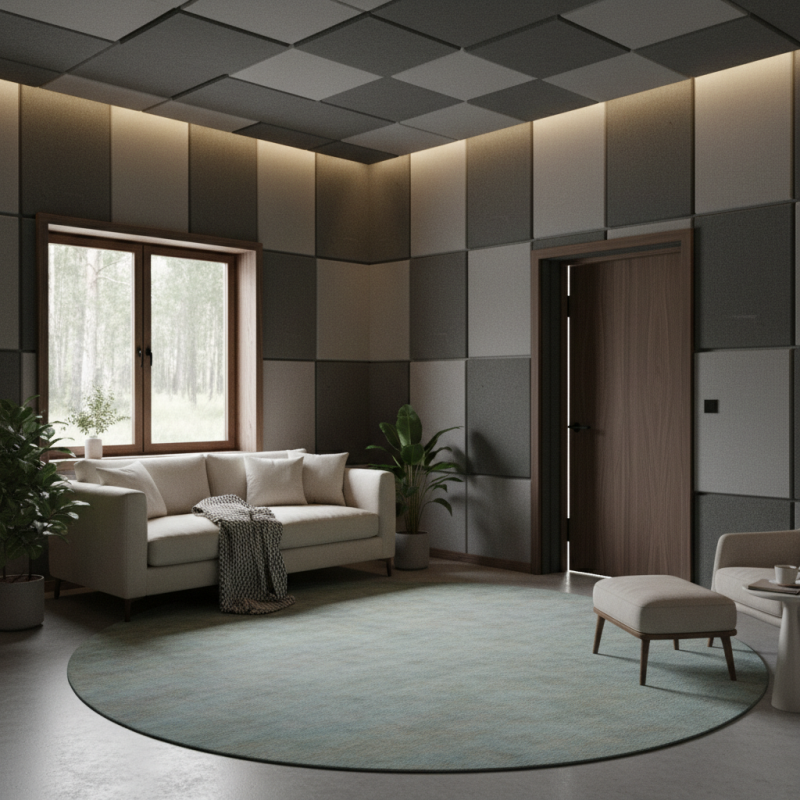
Different soundproofing techniques can make a significant impact. A study by the National Institute of Health suggests that proper insulation can reduce noise transmission by up to 70%. This can be achieved through various means, such as acoustic panels, weatherstripping, and soundproof doors. Selecting the right materials is vital for effectiveness.

While many methods exist, achieving complete silence may not be realistic. Even with the best soundproofing measures, some noise will likely seep in. This can be frustrating but highlights the importance of continuous improvement in soundproofing strategies. Remember, creating a serene space is an ongoing process that requires patience and experimentation.
How to Soundproof a Room Effectively for Ultimate Peace?

Understanding Soundproofing: Principles and Importance

Soundproofing a room effectively starts by understanding sound and how it travels. Sound waves move through air, walls, and even floors. Recognizing this helps in choosing the right materials. Engineers and sound experts agree that density and mass are crucial for blocking sound. For instance, thicker walls made of concrete or brick can significantly reduce noise.

It’s also important to consider how sound can leak in and out. Gaps around windows and doors often allow noise to escape. Sealing these gaps with weather stripping or door sweeps can improve sound isolation. Moreover, soft materials like carpets and curtains can absorb sound effectively. Many people forget to invest in these simple solutions.

However, implementing soundproofing can be a trial-and-error process. Each room is unique, and what works for one may not work for another. It's essential to reflect on your choices and make adjustments as needed. Experimenting with various materials and configurations can lead to improved results over time. Understanding these principles is fundamental for achieving that ultimate peace in your personal space.

Identifying Sources of Noise: Assessing Your Room's Acoustic Environment

Identifying sources of noise is crucial for soundproofing any room effectively. Research indicates that noise pollution dramatically affects mental health. The World Health Organization states that long-term exposure to noise can lead to stress, sleep disturbances, and even cardiovascular issues. Understanding these risks helps prioritize soundproofing efforts.

Start by assessing your room's acoustic environment. Common noise sources include outside traffic, appliances, and even voices from adjoining rooms. According to a study by the Acoustical Society of America, a significant portion of indoor noise is transmitted through walls and floors. Sound travels easily through gaps and weak points. Detecting these vulnerabilities is the first step in creating a peaceful space.

Take time to evaluate windows and doors. Single-pane glass can significantly increase noise levels. You might notice that even small openings can let in unwanted sounds. Consider using weather stripping or seals to close the gaps. Each small improvement can have a cumulative effect, leading to a noticeably quieter environment. Reflect on your findings and adjust your soundproofing strategy accordingly.

How to Soundproof a Room Effectively for Ultimate Peace? - Identifying Sources of Noise: Assessing Your Room's Acoustic Environment

Noise Source Location Type of Noise Noise Level (dB) Potential Solutions
Traffic Noise Windows External 75 Double glazing, weatherstripping
Loud Neighbors Shared wall External 70 Acoustic panels, soundproofing boards
Appliances Kitchen Internal 60 Acoustic insulation, sound-absorbing pads
TV/Entertainment Systems Living room Internal 65 Rugs, curtains, wall panels
Children Playing Playroom Internal 80 Soundproofing foam, mass-loaded vinyl
Air Conditioning HVAC units Internal 60 Acoustic enclosures, maintenance

Materials for Soundproofing: Choosing the Right Options for Your Project

When considering soundproofing materials, it's essential to choose wisely. According to a report from the National Institute of Health, effective soundproofing can reduce noise levels by up to 30 decibels. This significant reduction requires materials that are both dense and absorptive. Heavy curtains, acoustic panels, and mass-loaded vinyl are great options. They work by absorbing sound waves, minimizing echo, and blocking noise from entering or leaving a room.


In addition, insulation plays a vital role in achieving sound reduction. Fiberglass insulation is commonly used in walls and ceilings. It can reduce sound transfer due to its density and structure. The Acoustical Society of America emphasizes that soundproofing a room often benefits from a combination of materials. For instance, using resilient channels with drywall further enhances performance. Proper installation is key; poorly connected materials can diminish soundproofing effectiveness.


While many DIY enthusiasts may attempt soundproofing, mistakes can happen. Incorrectly sealed gaps or inadequate material thickness can reduce soundproofing capabilities. A comprehensive approach, incorporating various materials and techniques, usually achieves the best results. This is a constantly evolving field, and we must adjust our strategies as new findings emerge.

Techniques for Soundproofing: Step-by-Step Installation and Implementation

To effectively soundproof a room, it is vital to understand the various techniques available. One common method is adding mass to walls. According to a report from the National Institute of Standards and Technology, walls with higher mass are more effective at blocking sound. Adding layers of drywall or specialized soundproofing boards can significantly reduce noise transmission. Measure and install these materials carefully, ensuring full coverage to maximize effectiveness.

Another technique involves sealing gaps. Studies show that nearly 30% of sound leaks through small openings. These leaks often go unnoticed but contribute to noise issues. Use acoustic caulk to fill these gaps around windows, doors, and electrical outlets. This step may seem minor but can make a notable difference in sound reduction.

Finally, consider acoustic panels and rugs. Soft materials absorb sound waves, breaking the cycle of noise. A report from the Acoustical Society of America indicates that even a single rug can lower sound levels by 30% in rooms. Experiment with placement to find the most effective arrangement, ensuring sound waves are redirected and absorbed rather than reflected. These changes may require patience and adjustments. Soundproofing is not a one-size-fits-all solution, and sometimes what works well for one room may need tweaking for another.

Soundproofing Techniques Effectiveness

Maintaining Peace: Tips for Ongoing Noise Control and Management

Maintaining peace in your living space requires active noise control. Soundproofing doesn’t end after installation. Regular maintenance is crucial. A study by the Acoustical Society of America reveals that room acoustics can degrade over time, leading to unwanted noise intrusions. Periodic checks help ensure your soundproofing materials remain effective.

Evaluate your space periodically. Check windows, doors, and walls for gaps. Even small openings can let sound in. Seal these gaps to keep your environment peaceful. Consider adding rugs and curtains. These elements absorb sound and enhance acoustics. Research indicates that adding these materials can reduce noise levels by 30%.

Additionally, think about your lifestyle. Adjust habits if you notice noise issues persist. Try to be mindful of sound sources, like loud TVs or music. Engage in regular discussions with family or roommates about noise levels. Creating a noise-reduction agreement may foster a more tranquil atmosphere. Balancing personal noise habits with the shared living environment is essential for ongoing peace.

FAQS

: What is the main principle of soundproofing?

: Soundproofing relies on understanding how sound travels through air, walls, and floors.

Why are mass and density important in soundproofing?

Higher mass and density help block sound effectively. Thicker walls, like concrete or brick, reduce noise significantly.

How can I seal gaps to improve sound isolation?

Use weather stripping or door sweeps around windows and doors to seal gaps. This can prevent sound leakage.

What simple materials can absorb sound?

Carpets and curtains effectively absorb sound. Many people overlook these inexpensive options.

Is soundproofing a straightforward process?

No, it's often trial-and-error. Each room is unique, requiring different approaches and adjustments to improve sound isolation.

What technique can I use to add mass to walls?

Adding layers of drywall or specialized soundproofing boards increases wall mass. Ensure full coverage for better results.

Why is sealing small openings important?

Nearly 30% of sound can leak through unnoticed openings. Sealing them can significantly enhance soundproofing.

How can acoustic panels and rugs help with noise?

Soft materials like rugs absorb sound waves. Their placement is crucial for redirecting sound effectively.

What should I consider when soundproofing a room?

Reflect on your choices and be prepared to experiment with various materials and configurations.

Can soundproofing techniques vary for different rooms?

Yes, techniques might need adjusting based on each room’s unique characteristics and layout.

Conclusion

Soundproofing a room effectively begins with a solid understanding of the principles and importance of acoustics in creating a peaceful environment. By identifying the sources of noise specific to your room, you can assess the acoustic environment and determine the best strategies for alleviating unwanted sound. Choosing the right materials for soundproofing is crucial, as it directly impacts the effectiveness of your project.

The process involves step-by-step installation techniques that can be tailored to your unique space, ensuring that the noise is minimized to enhance tranquility. Finally, maintaining peace requires ongoing noise control and management strategies, allowing you to sustain the serene atmosphere you’ve worked hard to achieve. With these insights, you'll be well-equipped to tackle how to soundproof a room effectively, creating a retreat of calm away from the noise of the outside world.

Mason

Mason

Mason is a seasoned marketing professional with a deep expertise in the company's offerings and a passion for driving brand awareness. With a strong background in digital marketing strategies, he has an innate ability to connect with diverse audiences and effectively communicate product benefits.......