In today's fast-paced world, the quest for tranquility is essential. Our living spaces often become cluttered with noise, whether from traffic, construction, or even neighbors. Many ask themselves, "how to reduce noise in a room?" Noted acoustics expert, Dr. Emily Johnson, emphasizes, "Creating a peaceful environment begins with understanding the sound around you." This insight underpins the need for practical solutions to combat noise pollution.
Noise can disrupt concentration and affect mental health. Implementing effective soundproofing techniques improves the room's atmosphere and your overall well-being. Simple changes can make a significant difference, from choosing the right materials to rearranging furniture. Consider how curtains or rugs can absorb sound, transforming a chaotic space into a serene retreat.
It’s important to acknowledge that reducing noise isn't always straightforward. What works in one room may not work in another. Every living situation presents its own challenges, and customization is key. Reflecting on your noise sources is crucial in crafting personalized strategies. By exploring diverse approaches, you can find practical solutions tailored to your needs, making your space a quieter, more peaceful haven.
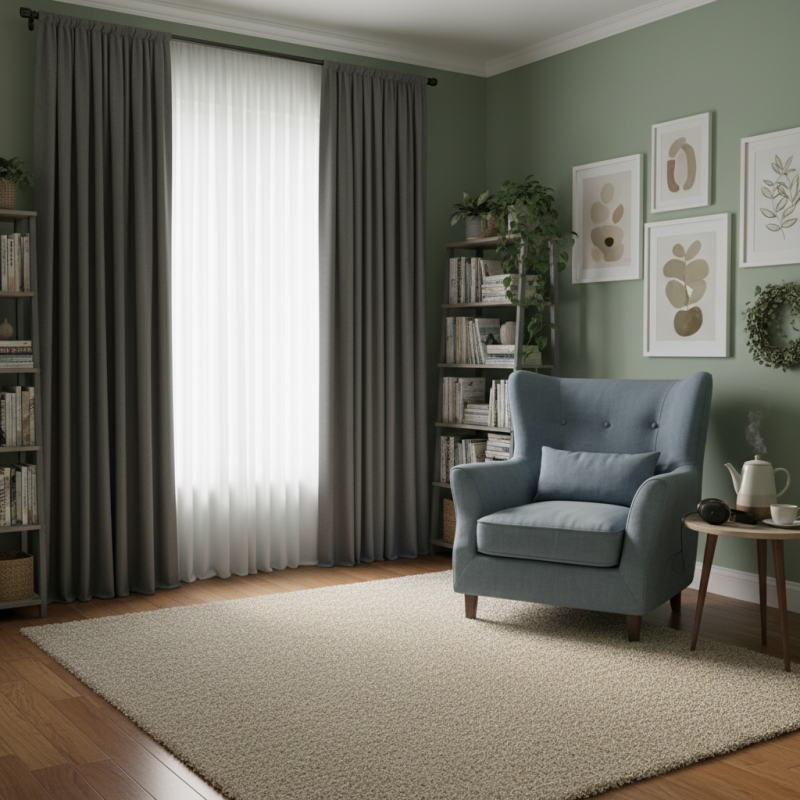
Understanding the Sources of Noise in Your Room
Noise in your room can stem from various sources. Common culprits include external traffic, barking dogs, and loud appliances. A report from the World Health Organization reveals that prolonged exposure to noise can lead to adverse health effects. These include stress, sleep disturbances, and even cardiovascular issues. Understanding these sources is crucial for implementing effective noise reduction strategies.
Many people overlook the impact of indoor sounds. For instance, air conditioning systems can produce significant noise. According to research by the American Society of Acoustical Consultants, mechanical systems can generate decibel levels ranging from 40 to 70 dB. This is similar to the noise of a vacuum cleaner. Soft furnishings and textiles can help absorb some of this sound. However, not everyone recognizes how important it is to choose the right materials.
Inadequate insulation may allow sounds to penetrate your space. Many older buildings lack proper soundproofing. This can leave you vulnerable to unwanted noise. Homeowners should be proactive and assess their environments. Identify where noise enters and think critically about possible improvements. It may take time, but every effort counts toward a quieter, more serene room.
Noise Sources in Your Room
Soundproofing Materials: Choosing the Right Options
When it comes to soundproofing your room, selecting the right materials is crucial. Acoustic panels are among the most effective options. These panels absorb sound waves, reducing echoes and noise levels. You can find them in various colors and designs, making them suitable for any decor. Hanging them on walls or ceilings can significantly improve your room's acoustics.
Mass loaded vinyl is another effective choice. This heavy material adds density to walls, floors, and ceilings. It blocks sound very well and can be used in almost any room. However, installation can be tricky. It's important to cover seams properly, as gaps allow sound to seep through.
Additionally, consider using thick curtains or double-glazed windows. These options offer a more aesthetic approach while enhancing sound insulation. Investing in quality weather stripping for doors can also make a noticeable difference. While not all solutions are perfect, experimenting with a combination of materials can lead to a quieter space. Make sure to assess how each material interacts in your specific environment.
10 Effective Tips to Reduce Noise in Your Room
| Tip |
Description |
Materials Needed |
| Use Acoustic Panels |
Install panels to absorb sound waves and reduce noise reflection. |
Acoustic foam, fabric-covered panels |
| Seal Windows and Doors |
Use weatherstripping to minimize gaps and prevent outside noise. |
Weatherstripping tape, door sweeps |
| Add Rugs and Carpets |
Soft surfaces help absorb sound and reduce echoes in the room. |
Rugs, carpets |
| Use Heavy Curtains |
Thick curtains can block out noise from outside. |
Heavy drapes, blackout curtains |
| Install Soundproof Drywall |
Special drywall helps in reducing sound transmission between rooms. |
Soundproof drywall, installation tools |
| Add Bookshelves |
Bookshelves can act as barriers to sound when filled with books. |
Bookshelves, books |
| Create a Soft Ceiling |
Use acoustic tiles or fabric to dampen sound coming from above. |
Acoustic ceiling tiles, soundproof fabric |
| Isolate Noisy Appliances |
Move noisy appliances away from sleeping areas and use mats. |
Isolation pads, mats |
| Consider Soundproof Doors |
Installing solid core doors can block outside noise more effectively. |
Solid core doors, installation hardware |
| Use White Noise Machines |
Generate ambient noise to help mask intrusive sounds. |
White noise machine |
Implementing Structural Changes for Noise Reduction
Creating a quiet room often requires structural changes. Start by examining your windows. Double-glazed windows are effective at blocking outside noise. If replacing windows is not an option, consider adding window inserts. These simple additions can significantly reduce sound infiltration.
Next, focus on your walls. Soundproofing drywall can help absorb noise. Adding mass loaded vinyl can further dampen sound transmission. Insulating your walls is another option. Efficient insulation materials absorb sounds from both sides, creating a much quieter environment.
Don’t overlook flooring. Carpets or thick rugs can significantly minimize noise. They help absorb sound vibrations from foot traffic. If you have hard surface floors, consider adding underlayment. This will aid in sound reduction. Remember to check doors. A solid core door will offer better noise control than a hollow one. Some adjustments can require a bit of investment, but the peace they bring is invaluable.
Creating a Calming Environment with Soft Furnishings
Creating a calming environment in your room can significantly reduce noise and enhance relaxation. Soft furnishings play a vital role in achieving this. Rugs, curtains, and cushions absorb sound waves, making the space quieter. Consider plush area rugs that cover hard floors. They offer warmth and comfort while minimizing echoes. Heavy drapes can block out unwanted outdoor noise. Choose thick fabric for better sound absorption.
Cushions and throws add more than just comfort; they also decorate your space. A mix of textures and colors can create a soothing atmosphere. Layering different fabrics, like wool and cotton, can enhance sensory experiences while dampening sound. You might find that a large, cozy armchair becomes your favorite reading nook.
Don't overlook the placement of these items. A strategically placed sofa or chair can serve as a barrier, blocking vibrations from outside. Test different arrangements to see what offers the best noise reduction. This process can be reflective, revealing what combinations work for your personal space. Creating a peaceful sanctuary is an ongoing journey, sometimes requiring tweaks and improvements along the way.
Utilizing Technology: Noise-Canceling Devices and Apps
Noise-canceling technology can significantly enhance your indoor experience. Many devices are now built to help reduce background noise effectively. These can be headphones, speakers, or standalone units. A common mistake is to rely solely on them without addressing room acoustics. Consider placing rugs or curtains to soften sound reflections.
Apps are another valuable tool in the fight against noise. Several applications generate soothing soundscapes, masking unwanted distractions. You might find white noise or natural sounds effective in creating a calm atmosphere. However, these apps may require fine-tuning to suit your preferences. Experimentation is key; don't expect immediate perfection.
Creating a peaceful room involves a mix of technology and environmental adjustments. Soundproofing materials can be helpful, yet they aren’t always feasible. Striking a balance between using devices and adjusting your space is crucial. Remember, technology can aid but won't eliminate noise entirely. Embrace a trial-and-error approach to find what works best for your unique situation.
FAQS
: Common noise sources include traffic, barking dogs, and loud appliances.
Prolonged exposure to noise can cause stress, sleep disturbances, and cardiovascular issues.
Indoor sounds, like those from air conditioning systems, often go unnoticed but can be disruptive.
Mechanical systems typically generate noise levels around 40 to 70 dB, similar to a vacuum cleaner.
Soft furnishings, like rugs and curtains, absorb sound waves, making your space quieter and more comfortable.
Plush area rugs on hard floors can minimize echoes and enhance comfort.
Choosing thick fabrics for drapes can block out outdoor noise more effectively.
A well-placed sofa or chair can block vibrations from outside, improving the room's tranquility.
Testing different arrangements to see what combinations reduce noise is important for personal comfort.
No, it’s an ongoing journey that may require adjustments and improvements over time.
Conclusion
This article provides practical insights on how to reduce noise in a room, beginning with an understanding of the various sources of noise that disrupt peace and concentration. By identifying these sources, individuals can then take appropriate steps to mitigate sound disturbances effectively.
The article emphasizes the importance of soundproofing materials, guiding readers on how to choose the right options for their space. It also discusses implementing structural changes, such as reinforcing walls and windows, to enhance noise reduction. Creating a calming environment through soft furnishings can further absorb sound, while utilizing technology like noise-canceling devices and apps offers modern solutions to maintain tranquility in the room. Together, these tips empower individuals to create a quieter and more serene living space.

 Dubuild Panel