Indoor noise levels have become a crucial aspect of modern living, especially as urban environments evolve. Understanding what factors affect noise levels indoors is essential for improving our quality of life. Noise pollution can disrupt sleep, concentration, and overall well-being. Various elements contribute to how sound interacts within indoor spaces.
Architectural design plays a significant role. Building materials, layout, and furnishings can amplify or reduce sound reflections. For instance, hardwood floors may create a louder environment than carpeted spaces. Additionally, the presence of HVAC systems and appliances can introduce unwanted noise. Even the activities of inhabitants can add to the cumulative sound levels in a room.
Technological advancements are also influencing noise levels. Smart technology allows for better sound management in homes and offices. Yet, many people may overlook the cumulative effects of these noises. The awareness of what factors affect noise levels indoors is vital. By examining these elements, individuals can make informed choices to foster quieter and more peaceful environments.
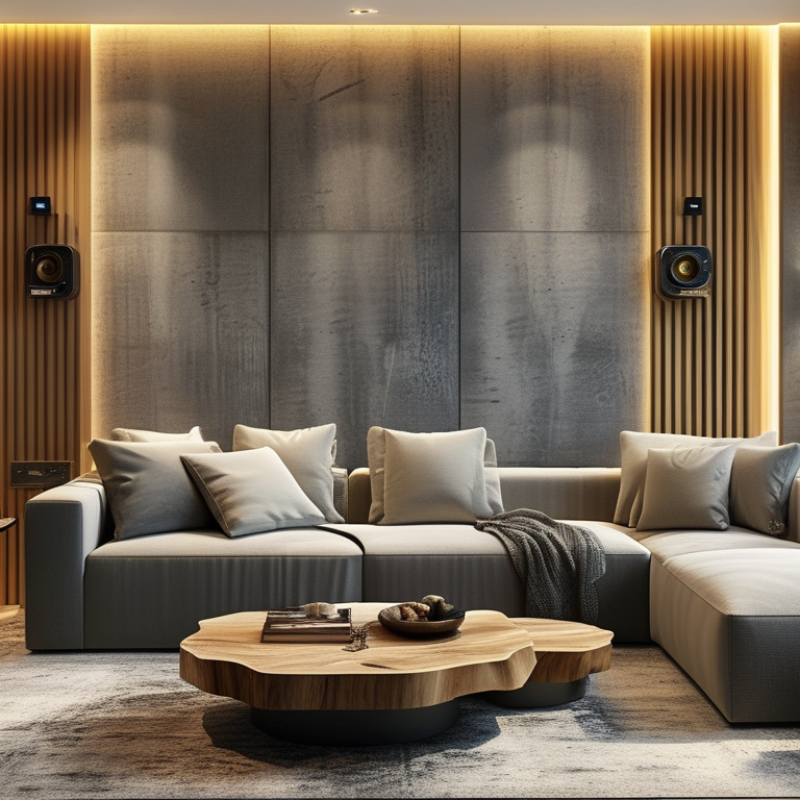
In 2026, the factors influencing indoor noise levels have evolved. One critical aspect is building design. Open floor plans may foster collaboration but often amplify noise. High ceilings also play a role, as sound travels further in open spaces. Soundproofing materials are essential. Insulation can cut outside noise and create a serene environment.
Another significant factor is technology. The rise of smart devices introduces continuous sound. Home assistants, appliances, and gaming consoles contribute to indoor noise. Use of virtual reality devices is growing. Users often lose themselves in immersive experiences, unaware of surrounding sounds. This disconnect raises questions about maintaining balance in our living spaces.
Cultural habits further dictate indoor noise. As remote work rises, the demand for quiet environments increases. Families need to find solutions to minimize distractions. However, achieving complete silence may be unrealistic. Ultimately, understanding these diverse factors helps us rethink our living arrangements in 2026.
Urbanization continues to reshape our environments in 2026, significantly impacting indoor noise levels.
A report from the World Health Organization highlights that densely populated urban areas experience indoor noise pollution up to 10 decibels higher than rural homes.
This increase not only disturbs our peace but also affects health and productivity.
In cities, construction, traffic, and human activities contribute to persistent noise. A survey found that over 30% of urban residents report disrupted sleep due to noise pollution.
Effective sound insulation can mitigate these effects, yet many buildings do not meet the necessary standards.
Innovations in soundproofing materials are emerging, but they are not widely adopted.
It’s important to consider local context; noise levels can vary based on infrastructure and regulations.
Public awareness and local policies play a crucial role in managing indoor noise.
Many individuals feel overwhelmed by noise, yet few understand the long-term consequences.
Future research should focus on adaptable solutions tailored to specific urban environments to combat this ongoing issue.
The impact of HVAC systems on indoor acoustic environments is a crucial consideration for architects and builders. According to a report by the National Institute of Standards and Technology, approximately 40% of indoor noise comes from HVAC systems. Poorly designed systems can amplify sounds, creating a disruptive environment.
In 2026, the focus will shift towards optimizing these systems to reduce noise pollution. Effective sound insulation materials are essential. Using high-performance ductwork can decrease airflow noise by up to 50%. However, many designs still overlook the importance of acoustical treatment, leading to complaints from occupants.
Surveys show that over 60% of office workers experience distractions due to noise. This problem is not only about comfort but also productivity. Acoustic comfort directly influences cognitive performance. As HVAC technology evolves, integrating quiet operation features becomes paramount. The challenge remains how to balance efficiency with acoustics. It's vital for industry professionals to stay updated on evolving standards and innovations to create quieter indoor environments.
Indoor noise levels in 2026 are shaped by various factors. As urban areas grow, sound pollution has increased. People are searching for effective soundproofing solutions to create quieter environments. Understanding soundproofing materials is crucial for homeowners and businesses alike.
Several materials have emerged as top choices for soundproofing. Acoustic panels, typically made from foam or fiberglass, absorb sound waves effectively. Their installation is simple, adding style while enhancing functionality. Mass-loaded vinyl is another excellent option. It acts as a barrier, blocking sound transmission through walls and floors. Yet, not all users see the results they expect.
Reflecting on these solutions reveals their limitations. For example, thick carpets can help dampen sound, but they also attract dust, which can impact air quality. Additionally, soundproofing materials may require a more significant investment than anticipated. Users must weigh their options carefully. Effective soundproofing isn't just about the materials used but also about the overall design and layout of the space.
In 2026, technological advances in noise monitoring and control solutions play a crucial role in managing indoor noise levels. Innovations like smart sensors can detect sound levels in real time. These sensors report data to central systems, enabling quick responses. This immediate feedback is vital for creating quieter environments.
Moreover, artificial intelligence can analyze noise patterns. AI can predict peak noise times, allowing for better scheduling of activities. It can also suggest noise-reduction strategies tailored to specific settings. However, not all solutions are equally effective. Some systems may struggle to adapt to various acoustic environments. There is still room for improvement in how these technologies integrate with existing structures.
The rise of acoustic materials is another notable trend. These materials not only absorb sound but also offer aesthetic appeal. Yet, their effectiveness can vary based on design and application. Stakeholders must strike a balance between aesthetics and functionality. Urban planners and builders face ongoing challenges in creating sound-friendly spaces.
: Building design, technology use, and cultural habits play significant roles in indoor noise levels.
Open floor plans and high ceilings often amplify sound, creating noisier environments.
Urban areas typically experience noise pollution levels up to 10 decibels higher than rural settings.
About 40% of indoor noise can stem from poorly designed HVAC systems amplifying disruptive sounds.
Soundproofing materials and high-performance ductwork can significantly reduce noise levels when properly implemented.
Smart devices, like home assistants and gaming consoles, can create continuous sound in living spaces.
Yes, with more remote work, families seek quiet environments but achieving complete silence is often unrealistic.
Increased public awareness and local policies are critical for addressing indoor noise issues effectively.
Acoustic comfort affects cognitive performance and productivity, making it essential for office design.
Balancing efficiency and acoustics in building designs and HVAC systems remains a significant challenge.
In 2026, understanding what factors affect noise levels indoors has become increasingly important due to the complexities of modern living environments. Urbanization plays a significant role, as cities grow and develop, contributing to higher indoor noise pollution levels. Additionally, HVAC systems, while essential for comfort, can significantly impact the acoustic environment of buildings.
As we look for solutions to manage indoor noise, effective soundproofing materials are crucial, with new innovations shaping their usage. Furthermore, advancements in technology have made noise monitoring and control more sophisticated, allowing for better management of indoor acoustics. Together, these factors illustrate the multi-faceted nature of indoor noise levels and the ongoing need for effective strategies to create quieter living spaces.

Dubuild Panel