Large rooms often face significant acoustic challenges. Understanding why do large rooms have poor acoustics is crucial for effective sound management. Reports indicate that acoustic issues in large spaces can lead to decreased speech intelligibility and an overall uncomfortable sound environment. Research shows that up to 70% of individuals find it hard to communicate in such settings.
The design of large rooms typically results in sound reflections, echoes, and dead spots. Sound can travel long distances, causing delays and causing confusion. According to the Acoustical Society of America, large rooms without proper treatment can lead to sound decay times exceeding 1 second, making communication difficult. This delay increases noise and diminishes clarity.
Moreover, many overlook the importance of acoustic treatment. Using sound-absorbing materials can significantly improve acoustics. Yet, proper application is often debated among professionals. Reflective surfaces, such as glass or bare walls, can exacerbate the issue, leading to unsatisfactory results. Reflecting on these aspects can guide effective strategies for enhancing acoustic quality.
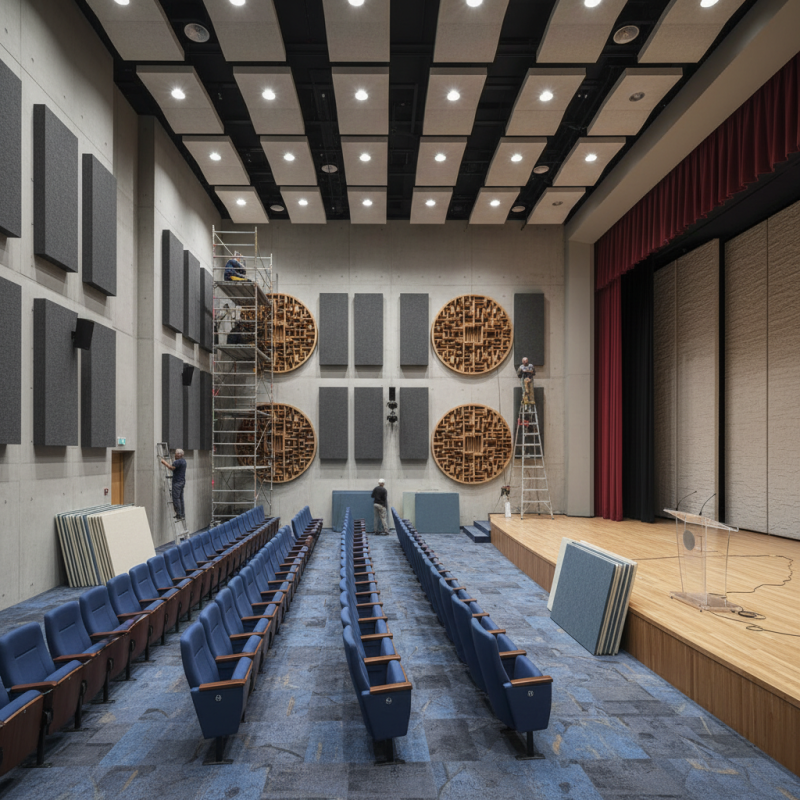
Understanding Acoustic Challenges in Large Rooms
Large rooms present unique acoustic challenges due to their size. Sound can travel long distances, leading to echoes and unclear audio. The American National Standards Institute (ANSI) reports that inadequate acoustics can negatively impact communication and comprehension by up to 30%. This can be particularly problematic in spaces like conference halls or lecture theaters.
To tackle these issues, consider sound-absorbing materials. They can significantly reduce echo and improve clarity. Using carpet, acoustic panels, or drapes is effective. Some studies suggest that adding these materials can reduce reverberation time by up to 50%.
Tip: Arrange furniture to disrupt sound paths. Placing soft furnishings strategically can help absorb sound waves and minimize unwanted echoes.
Understanding your space is crucial. Measure the room's dimensions and test the sound response. Identifying reflective surfaces can guide your acoustic treatment effectively.
Tip: Use plants to enhance acoustics. They can provide a natural sound barrier while improving the ambiance.
Always remember, achieving perfect acoustics is a continuous process. Monitor how sound behaves and adapt your approach as needed. Each room may require a different strategy for optimal results.
Understanding Acoustic Challenges in Large Rooms
This chart illustrates key acoustic challenges faced in large rooms. The metrics shown include Reverberation Time (RT60), Background Noise Level, Clarity Index (C50), and Speech Intelligibility (STI), which are critical for understanding and enhancing the acoustic environment in spacious areas.
Identifying Key Factors Affecting Room Acoustics
Acoustic quality in large rooms is often overlooked. Many people assume that size alone dictates sound quality. However, several critical factors can significantly impact acoustics. The shape and materials of the room play pivotal roles. For instance, hard surfaces like concrete and glass can create echo. Soft, absorbent materials tend to dampen sound, providing a more balanced experience.
Ceiling height is another crucial element. High ceilings can enhance sound travel but may also lead to resonances that muddle clarity. Consider adding acoustic panels or curtains to manage sound waves better. The arrangement of furniture can reflect or absorb sound as well, affecting how music or speech is experienced.
Finally, the overall design of the space should not be neglected. Open layouts can gather excessive noise without proper treatment. Encourage discussions on potential solutions. Engaging with professionals or seeking advice from trusted sources is beneficial. Balancing aesthetics and acoustics requires mindful adjustments. It's okay to experiment and reassess your approach to find what works best for your environment.
Implementing Sound Absorption Solutions
In large rooms, poor acoustics can disrupt conversations and make sounds muddled. To enhance sound quality, implementing sound absorption solutions is essential. One effective approach is using acoustic panels. These panels can significantly reduce echo and reverberation, creating a more pleasant auditory experience.
Tips: Consider installing panels on walls and ceilings. Choose materials like fabric or foam, which are known for their sound-absorbing properties. Always ensure you space the panels evenly for maximum effect.
Another option is to incorporate soft furnishings. Using carpets, curtains, and cushioned furniture can greatly help in absorbing sound. These elements not only improve acoustics but also aesthetically enhance the room.
Tips: Be mindful of how furniture is arranged. A cluttered space can make sound bounce around more. Test different placements to find the best configuration for your room's acoustics.
How to Fix Poor Acoustics in Large Rooms? - Implementing Sound Absorption Solutions
| Solution Type |
Description |
Effectiveness |
Estimated Cost ($) |
| Acoustic Panels |
Wall-mounted panels that absorb sound waves |
High |
200 - 1000 |
| Ceiling Tiles |
Specialty tiles that enhance sound absorption |
Moderate |
150 - 800 |
| Carpets |
Floor coverings that can absorb sound |
Moderate |
100 - 500 |
| Bookshelves |
Utilizing furniture to diffuse sound |
Low |
50 - 300 |
| Heavy Curtains |
Drapes that reduce sound transmission |
High |
75 - 400 |
Utilizing Sound Diffusion Techniques
Large rooms can present challenges for sound quality. Poor acoustics often lead to echoes and muddled audio. Utilizing sound diffusion techniques can significantly enhance the listening experience.
Sound diffusion spreads sound waves evenly. This creates a more balanced auditory environment. You may consider various materials and designs for diffusion. Bookshelves filled with books can act as natural diffusers. Wall-mounted diffusers can also scatter sound effectively.
Tips: Consider mixing different diffusing materials. Wood, foam, and even artwork can all serve as diffusers. Experiment with placements around the room to find the best arrangement. You might find that certain areas are more prone to sound issues than others.
Incorporating plants can also improve acoustics. They not only diffuse sound, but also add beauty. Be mindful that not all rooms are the same. Each space may require a unique approach to diffusion. Reflect on your results and adjust as needed.
Optimizing Layout and Furnishing for Better Sound Quality
When it comes to optimizing acoustics in large rooms, layout and furnishings play a crucial role. Professional studies indicate that 40% of sound issues arise from the room’s structure and furniture placement. For instance, soft materials can help absorb sound. Using plush carpets, curtains, and wall hangings creates a sound-absorbing environment. Can you imagine how bare walls amplify echoes? Soft furnishings reduce sound reflections significantly.
The arrangement of furniture is also vital. Placing bookshelves or upholstered chairs against walls reduces sound travel. Research from leading acoustics experts shows that angling furniture can disrupt sound waves, improving clarity. Experimenting with room layouts might reveal the best configuration for sound. However, many overlook these elements and end up frustrated by lingering echoes.
Acoustic panels are another option but can be costly. Thousands of dollars might get spent on treatments without a noticeable difference. Reflect on your choices: are they aesthetically pleasing and functional? Sometimes, subtle adjustments yield significant improvements. Balancing sound and design can feel daunting, yet it’s worth exploring. The journey to optimal acoustics is a mix of trial and adjustment, not just the technicality of materials.
FAQS
: Room shape and materials are critical. Hard surfaces create echoes, while soft materials absorb sound.
High ceilings can enhance sound travel but may cause clarity issues. Consider sound management solutions.
Furniture can reflect or absorb sound, impacting how audio is experienced. Arrangement is key.
Use sound diffusion techniques. Mix materials like wood and foam for a balanced environment.
Yes, filled bookshelves and artwork can act as diffusers. Experiment with different placements.
Absolutely, plants diffuse sound and add aesthetics. Each room needs a tailored approach to acoustics.
Engaging with professionals is wise. They can offer helpful insights tailored to your space.
Many struggle with poor acoustics. It's okay to experiment and reassess your approach.
Regular reassessment helps. Sounds change with new furniture or layouts, so stay flexible.
Yes, open layouts can trap noise. Proper treatment and design considerations matter greatly.
Conclusion
Large rooms often face significant acoustic challenges due to their expansive spaces, which can lead to issues like echoes and sound distortion. The primary reason why do large rooms have poor acoustics is the natural reflection and reverberation of sound waves caused by hard surfaces, inadequate sound absorption, and lack of proper sound diffusion strategies. Understanding key factors affecting room acoustics, such as surface materials and room geometry, can help in addressing these challenges.
To improve sound quality, it is essential to implement effective sound absorption solutions, such as installing acoustic panels or carpets, and utilizing sound diffusion techniques to scatter sound waves more evenly. Additionally, optimizing layout and furnishing can significantly enhance acoustic performance by strategically placing furniture and using soft materials that reduce unwanted echoes. By addressing these elements, large rooms can achieve a more pleasant auditory environment.

 Dubuild Panel