In today's fast-paced work environment, noise levels can significantly affect employee productivity. Many companies are questioning how to improve acoustics in offices to create a better workspace. A quiet office promotes concentration and reduces stress. Poor acoustics lead to distractions. Open-plan offices may enhance collaboration but often create noise issues.
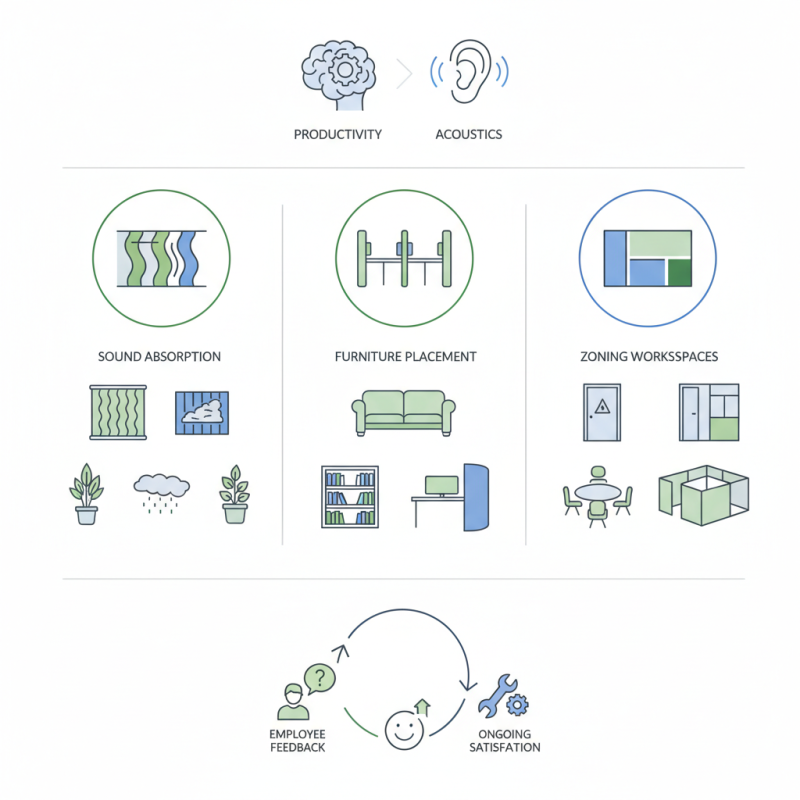
To tackle this challenge, organizations should explore various acoustic solutions. These can include sound-absorbing materials, strategic furniture placement, and effective zoning of workspaces. Businesses should analyze their specific needs. Consideration of employee feedback is crucial. Some may prefer quiet zones, while others thrive in lively environments.
Ultimately, enhancing office acoustics requires ongoing evaluation. Regularly soliciting input from staff can uncover potential improvements. As companies adjust to new work trends, crafting an acoustically friendly space can lead to increased efficiency and employee satisfaction.
Noise pollution is a significant barrier to productivity in offices. Studies show that low-level background noise can reduce workplace effectiveness by up to 66%. Employees often struggle to concentrate amidst distractions. This can lead to increased stress and decreased job satisfaction.
According to the World Health Organization, continuous noise exposure can affect mental well-being. The average office worker is exposed to sound levels exceeding 55 decibels, which is disruptive. Effective acoustic management can transform an environment. Utilizing sound-absorbing materials, like acoustic panels, can minimize noise levels.
Employers should consider the layout of workspaces. Open offices may invite chatter that detracts from focus. Personal spaces or quiet zones are essential. Creating an oasis of calm within a busy environment can foster creativity and enhance overall productivity. Reflecting on these aspects can lead to actionable changes that improve employee performance.
In modern offices, acoustic challenges often hinder productivity. Open layouts, while fostering collaboration, can lead to excessive noise. Conversations, ringing phones, and even footsteps contribute to a chaotic sound environment. This cacophony makes it difficult for employees to focus on tasks. Employees may feel overwhelmed, leading to decreased work quality.
Identifying specific acoustic issues is essential. Some offices have hard surfaces that amplify sounds. This can create an echo effect, making it hard for teams to communicate effectively. Moreover, poor sound insulation between rooms can result in distractions. Employees may struggle to concentrate on critical projects while competing sounds draw their attention away.
Reflecting on these challenges is key for improvement. Conducting regular assessments of sound levels can highlight problem areas. Gathering feedback from staff about their acoustic experiences is invaluable. It helps pinpoint the most disruptive factors and encourages proactive solutions. Addressing these issues can significantly enhance the work atmosphere, ultimately leading to higher productivity.
In modern office design, acoustics play a crucial role in enhancing productivity. The right materials can absorb sound and reduce distractions. Consider using acoustic panels made from felt or fabric to dampen noise levels. These materials are not just functional; they can also add a visually appealing element to the workspace.
Employing innovative design strategies can further improve office acoustics. For instance, creating quiet zones with soft furnishings helps in reducing ambient noise. Use area rugs, curtains, and upholstered furniture to absorb sound. Additionally, strategically placed plants can enhance both aesthetics and acoustics.
Tips:
Choose lighter colors for walls and ceilings to help brighten the space. Combine textures for a dynamic look while aiding sound absorption. Reflect on the layout; open spaces may need flexible partitions to control sound spread effectively. Remember, every office is unique. Adjust solutions based on specific needs and challenges.
In modern office environments, noise distractions can significantly hinder productivity. A recent study by the Environmental Protection Agency noted that excessive noise can lower employee output by up to 66%. One effective approach to tackle this issue is the implementation of sound masking systems. These systems work by adding a controlled level of ambient sound to the workplace, which helps to obscure distracting noises.
When sound masking is utilized effectively, it enhances speech privacy. For instance, a report from the International Acoustic Society highlighted that offices using sound masking saw a 25% increase in overall employee satisfaction. This is crucial as happy employees are often more productive. Properly calibrated systems not only reduce noise distractions but also create a more comfortable working environment.
However, it's important to recognize the limitations of sound masking. If not properly adjusted, these systems can create a monotonous background that might hinder concentration for some individuals. Striking the right balance is essential. Regular assessments and employee feedback can guide the optimization of sound levels. This ongoing adjustment can further enhance productivity.
Creating an acoustically friendly office environment can significantly boost productivity. Implementing effective acoustic management practices is essential for continuous improvement. Begin by conducting a thorough assessment of your workspace. Identify noise sources and areas where sound reflection causes distractions. This foundational step is vital, yet often overlooked.
Consider utilizing soft furnishings, such as carpets and curtains, to absorb sound. These elements create a warmer ambiance and reduce noise levels. Adding acoustic panels may also help. These panels can be strategically placed on walls or ceilings. They lessen unwanted echoes and enhance speech clarity during meetings. Employees should also be trained on sound etiquette. This practice can promote a culture of respect for quiet spaces, though it is often challenging to implement.
Regular feedback should be sought from team members. Open discussions about acoustics help identify ongoing issues. Sometimes, what feels like an improvement may not meet everyone’s needs. Be open to adjusting strategies based on this feedback. Continuous improvement in acoustic management requires patience and determination. Consider trial-and-error approaches to find the best solutions for your unique office layout.
: Noise pollution can reduce workplace effectiveness by up to 66%. It creates distractions that decrease focus.
Continuous noise exposure can affect mental well-being, leading to increased stress and job dissatisfaction.
Acoustic panels made from felt or fabric are effective. They absorb sound and improve the environment's aesthetics.
They provide areas for concentration and creativity, reducing distractions from open office chatter.
Open offices may promote noise; flexible partitions can control sound spread and create quieter work areas.
Sound masking systems add controlled ambient sound to obscure distracting noises, facilitating better focus.
They enhance speech privacy and can lead to a 25% increase in employee satisfaction and productivity.
If poorly adjusted, they can create monotonous background sounds that hinder individual concentration.
Regular assessments and employee feedback are crucial for adjusting sound masking to improve productivity effectively.
Every office is unique; it’s vital to tailor acoustic solutions based on specific needs and challenges.
To improve acoustics in offices for better productivity, it is essential to first understand the significant impact of noise on employee performance and well-being. Identifying common acoustic challenges such as open floor plans, hard surfaces, and inadequate sound insulation can help pinpoint areas that require attention.
Effective acoustic solutions include utilizing sound-absorbing materials and thoughtful design strategies to mitigate noise. Implementing sound masking systems can also enhance the acoustic environment by providing consistent background noise, which can further help in reducing distractions. Additionally, establishing ongoing acoustic management practices ensures that the workspace continues to evolve and meet the acoustic needs of employees, ultimately leading to a more productive work atmosphere. Understanding how to improve acoustics in offices is crucial for fostering an environment conducive to focus and collaboration.

Dubuild Panel