Best Ways to Improve Indoor Sound Quality in 2026?

Time:2026-07-19 Author:Charlotte
0%

In the quest for better indoor sound quality, many wonder what is the best way to improve sound quality indoors. Achieving clarity and depth in sound can transform the atmosphere of any space. Various methods are available, yet the effectiveness largely relies on understanding unique room acoustics.

Experts emphasize the importance of soundproofing and strategic furniture placement. Acoustic panels can significantly reduce noise and enhance clarity. Yet, many individuals overlook the value of simple adjustments. Soft furnishings like rugs and curtains absorb sound waves, but not everyone utilizes them effectively.

Moreover, technology plays a vital role. High-quality sound systems can elevate audio experiences, but incorrect setups can lead to frustration. It’s essential to test different speaker placements. The pursuit of superior sound quality is often a process, requiring experimentation and adaptation. Embracing imperfections in the listening experience can lead to innovative solutions. Ultimately, each space demands a tailored approach, making the journey to improved sound both unique and rewarding.
Best Ways to Improve Indoor Sound Quality in 2026?

Understanding Indoor Acoustics: Key Principles for 2026

Understanding indoor acoustics is crucial for creating pleasing sound environments in 2026. Sound waves interact with the surfaces in a room. Hard surfaces, like concrete and glass, reflect sound, creating echoes. Soft materials, like carpets and curtains, absorb sound, reducing noise. Balancing these materials shapes the room's acoustics.

One effective method to enhance sound quality involves strategic placement of furniture. Arranging soft furniture in corners can dampen reflections. Additionally, using soundproofing panels on walls can help to control noise levels. It’s essential to look at the ceiling as well. High ceilings can increase echo, while lower ceilings might trap sounds. Adjusting these elements makes a significant difference.

Lighting also plays a role in acoustics. Bright, reflective surfaces can amplify sound, while dim surfaces can absorb it. Experimenting with different arrangements can yield unpredictable outcomes. You might find that what you expected to work doesn’t. Refining your approach through trial and error leads to better results. Reflect on how these adjustments influence your space. In 2026, creating an optimal acoustic environment will require flexibility and a willingness to explore new methods.

Choosing the Right Materials for Sound Absorption and Insulation

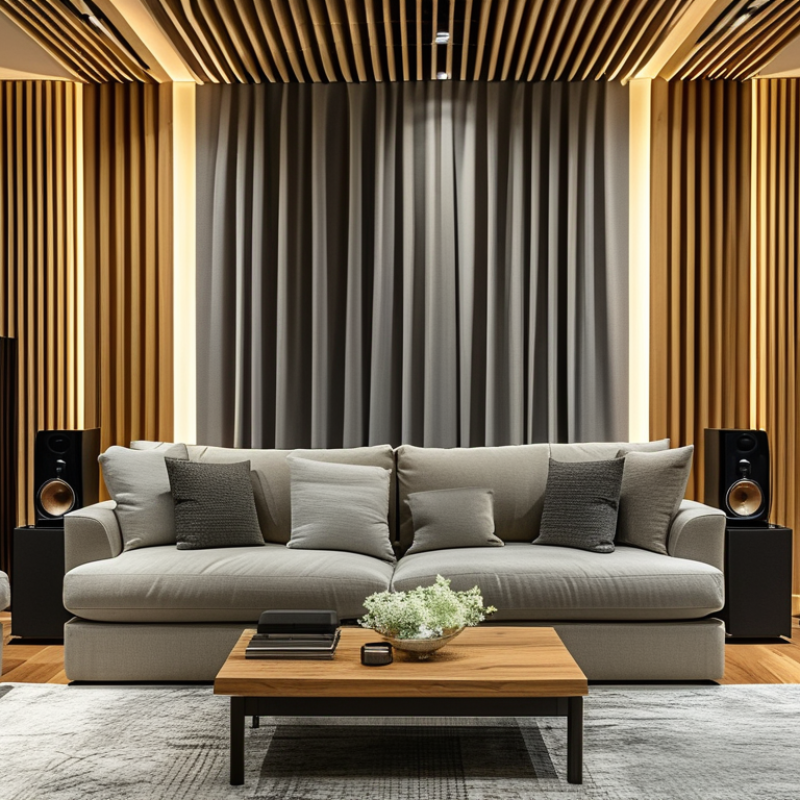
Choosing the right materials for sound absorption and insulation can significantly enhance indoor sound quality. Different environments require tailored solutions. For instance, a home theater may need heavy drapes or acoustic panels. These items can reduce echo and improve clarity. In contrast, a workspace might benefit from lightweight, sound-diffusing materials.

Consider natural fibers like cotton or wool for soft furnishings. These materials are effective at absorbing sound. They also add warmth to a space. On the other hand, hard surfaces like concrete or glass can amplify sound. Reflective surfaces might seem stylish but can create unwanted noise. A balance is crucial for optimal sound quality.

Reflect on the room’s purpose when selecting materials. A music studio demands different solutions than a living room. Experimentation is often necessary. Results may vary with different combinations. It’s important to test and adjust. Not every approach works for every space. Finding the right mix is an ongoing process that requires patience.

Best Ways to Improve Indoor Sound Quality in 2026

Material Type Sound Absorption Coefficient (Frequency Range) Thickness Cost per Square Meter Best Use Case
Acoustic Panels 0.75 (500 Hz) - 0.95 (2000 Hz) 2-5 cm $30 - $50 Recording studios, home theaters
Carpet Tiles 0.30 (250 Hz) - 0.75 (1000 Hz) 1-2 cm $20 - $40 Commercial spaces, offices
Mineral Wool 0.80 (500 Hz) - 1.00 (2000 Hz) 5-10 cm $25 - $60 Industrial acoustics, sound studios
Bass Traps 0.70 (100 Hz) - 0.90 (200 Hz) 10-30 cm $40 - $80 Home theaters, music production
Soundproof Drywall 0.40 (125 Hz) - 0.70 (500 Hz) 1.25-2.5 cm $50 - $100 Residential walls, ceilings

Implementing Advanced Soundproofing Techniques in Your Space

Enhancing indoor sound quality requires effective soundproofing techniques. Employing advanced materials can significantly reduce unwanted noise. For instance, acoustic panels can absorb sound waves. Installing these panels in key areas limits echo and reverberation. It is a smart step toward achieving clarity in audio.

When considering soundproofing, focus on sealing gaps. Inconsistent windows and doors create noise leaks. Applying weather stripping helps create a tighter seal. This method is often overlooked but highly effective. It enhances overall sound quality by reducing external disturbances.

Think about the floor materials too. Carpets can dampen sound effectively. They are not just for aesthetics; they absorb impact noise. Another option is to use rugs strategically in high-traffic areas. Small adjustments can yield noticeable improvements in sound quality. Always test different combinations to find what works best for your space.

Utilizing Smart Technology to Enhance Indoor Sound Quality

In 2026, enhancing indoor sound quality involves integrating smart technology into our environments. Smart speakers are now fundamental. They adapt to room acoustics, creating personalized experiences. Voice recognition allows users to control sound settings effortlessly. Imagine adjusting volume and bass with just a command. It feels seamlessly intuitive.

Acoustic panels have evolved too. Smart materials can respond to sound waves. These panels minimize echo and enhance clarity. Homeowners can install them easily. They blend style with functionality, improving not only sound but aesthetics. However, implementation can be tricky for some. Finding the right placement requires patience.

Another exciting development is soundscaping. Smart algorithms can generate background ambient noise. This subtle layer can mask unwanted sounds. Yet, achieving the right balance can be challenging. Too much noise can be counterproductive. Sometimes, less really is more, and finding that sweet spot takes time and experimentation.

Exploring Innovative Design Strategies for Optimal Acoustic Performance

Achieving optimal acoustic performance in indoor spaces requires innovative design strategies. Architects and designers are now focusing on materials that actively absorb sound waves. For instance, using sound-absorbing panels made from recycled materials can significantly reduce noise levels. Integrating these panels into walls or ceilings transforms the acoustic environment. Natural materials, like wood and fabric, also contribute positively. They not only enhance aesthetics but also improve sound quality.

Consider the layout of a room carefully. Rooms with irregular shapes tend to diffuse sound better than perfectly square ones. Open spaces allow sound to travel but can create echoes. Play with furniture placement to disrupt sound waves. Soft furnishings, like rugs and curtains, help to dampen sound. Even adding plants can reduce background noise while beautifying the space.

While trying these methods, it's important to assess their effectiveness. What works well in one setting might not work in another. Conducting listening tests with friends can provide valuable feedback. Don't overlook the potential for improvement. There's always room for adjustment.

FAQS

: What materials are effective for sound absorption?

: Natural fibers like cotton and wool are great for absorbing sound. They also add warmth to a room.

How can hard surfaces affect sound?

Hard surfaces like concrete and glass amplify sound. They may look stylish but can create unwanted noise.

Why is balancing materials crucial for sound quality?

Balancing soft and hard materials is essential. Too much of one type can lead to poor sound clarity or excessive echo.

What should I consider when selecting materials?

Reflect on the room’s purpose. A home theater needs different materials than a workspace or a music studio.

How do room shapes impact sound?

Irregular room shapes tend to diffuse sound better than square ones. Shape can affect how sound travels.

What role does furniture placement play in acoustics?

Proper furniture placement can disrupt sound waves. Experimenting with layouts can enhance sound quality.

Are there simple solutions to reduce background noise?

Yes, adding soft furnishings like rugs can dampen sound. Plants can also help reduce noise and beautify the space.

How can I test my acoustic changes?

Conduct listening tests with friends to gather feedback. This can help assess the effectiveness of your changes.

Is achieving optimal acoustic performance a one-time task?

No, it’s an ongoing process. There’s always room for improvement, and results may vary with different combinations.

Conclusion

Improving indoor sound quality in 2026 requires a comprehensive understanding of indoor acoustics, including key principles that govern sound behavior in enclosed spaces. One of the essential questions to consider is, "what is the best way to improve sound quality indoors?" This can be addressed by selecting appropriate materials for sound absorption and insulation, as well as incorporating advanced soundproofing techniques tailored to the specific needs of your environment.

Moreover, the integration of smart technology offers innovative solutions to enhance sound quality, allowing for customizable acoustic experiences. Lastly, exploring creative design strategies can further optimize acoustic performance, ensuring that spaces are not only functional but also conducive to excellent sound quality. By combining these approaches, individuals can achieve a harmonious atmosphere that significantly enhances their indoor auditory experience.

Charlotte

Charlotte

Charlotte is a seasoned marketing professional with a deep understanding of the company's portfolio and a passion for elevating its presence in the market. With a keen eye for detail and a commitment to excellence, she ensures that our professional blog is regularly updated with insightful articles......