In the world of audio production, mastering sound is crucial. "What is the best way to manage sound in studios?" This question often arises among engineers and producers. Renowned audio expert, Mike Senior, emphasizes, "It's all about control and clarity." Understanding sound management can make or break a recording session.
Effective sound management covers various aspects. Acoustics play an essential role; the room’s shape and materials affect sound quality. Poor acoustics can lead to muddled mixes. Adding soundproofing materials helps minimize external noise. Understanding frequency response is also vital. Some frequencies resonate differently, so analyzing these can help achieve a balanced sound.
Yet, mastering sound is not just about tools. It involves continual learning and adapting. Many professionals find themselves stuck in rigid routines. Reflecting on their methods is necessary. Sound management is an art form that requires experimentation. By embracing imperfections, engineers can uncover new techniques and enhance their recordings.
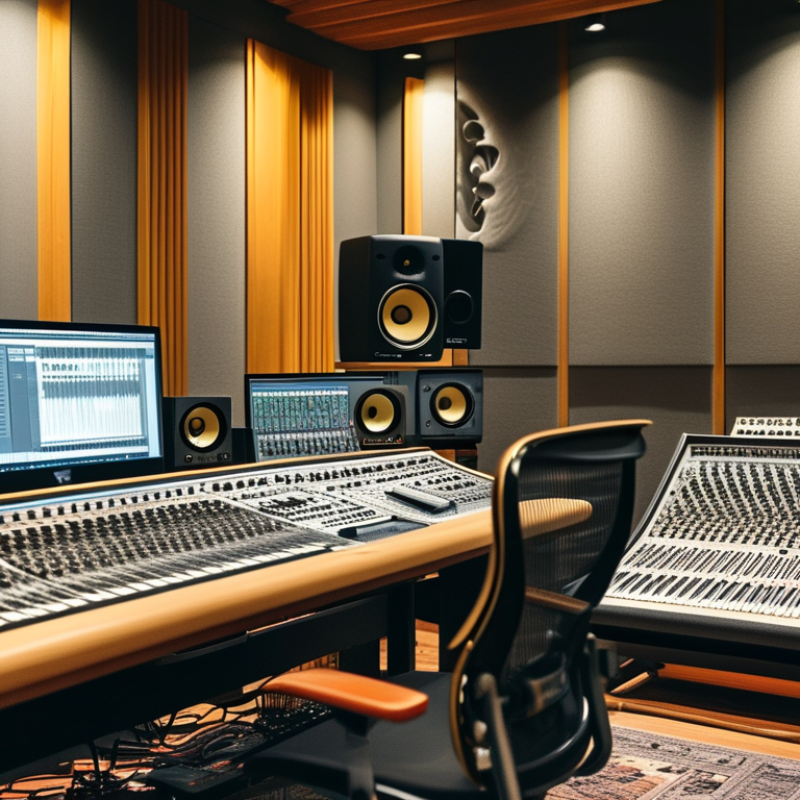
Managing sound effectively in recording studios is crucial for achieving high-quality audio. Understanding the fundamentals of sound management involves recognizing how sound travels and interacts within a space. According to a recent report by the Audio Engineering Society, sound waves can reflect, absorb, or diffuse, significantly impacting the final mix. Properly treating a recording space can reduce unwanted reflections, ensuring clarity and balance in recordings.
Acoustic panels, bass traps, and diffusers contribute to sound management. Research shows that absorbent materials can reduce reverb time. A study indicated that rooms with excessive reverberation can lead to a perceived drop in audio quality by up to 30%. Thus, attention to room design and treatment is essential. Moreover, the placement of microphones can alter sound capture. Experimentation in mic positioning often leads to diverse results that can either enhance or deteriorate sound quality.
Many studios underestimate the importance of sound source quality. While it's tempting to rely on high-end equipment, source sound matters greatly. A poorly recorded vocal performance can ruin an otherwise perfect mix. Reflecting on choices in recording techniques and sound treatment is essential for studios striving for excellence in sound management. Balancing these elements requires both knowledge and a willingness to adapt, ensuring a polished final product.
Acoustic treatment plays a vital role in enhancing sound quality in recording studios. Proper treatment minimizes unwanted reflections and absorbs excessive noise. This creates a balanced sound environment, ensuring clarity and precision during recordings. Common materials used for acoustic treatment include foam panels, bass traps, and diffusers. Each serves a specific purpose, addressing different sound issues within a space.
The placement of acoustic panels is crucial. Incorrect positioning can lead to uneven sound distribution. This often requires trial and error before finding the ideal setup. Many studios overlook corners, where bass energy tends to accumulate. Failing to treat these areas can result in muddy sound. Additionally, every room has its unique characteristics. A treatment plan suited for one studio may not work for another.
Monitoring and adjusting the acoustic treatment over time is essential. Sound perception can change with new equipment or even different projects. Regular evaluations help identify new challenges. It’s important to remain flexible and ready to adapt. Continuous improvement can lead to dramatic enhancements in sound quality, making a significant difference in the final product.
| Acoustic Treatment Type | Effect on Sound Quality | Recommended Room Locations | Average Cost (USD) |
|---|---|---|---|
| Acoustic Panels | Reduce echoes and reverberation | Walls and ceilings | $25-$100 each |
| Bass Traps | Control low-frequency sounds | Corners of the room | $50-$150 each |
| Diffusers | Scatter sound waves, improving clarity | Rear walls | $40-$120 each |
| Ceiling Clouds | Minimize ceiling bounce | Hanging from the ceiling | $75-$200 each |
| Soundproofing Panels | Block outside noise and control leakage | Walls and doors | $30-$100 each |
Managing sound in recording studios is crucial for achieving high-quality audio.
Noise and sound interference can compromise recordings. One effective technique involves
soundproofing the studio. Adding acoustic panels or foam can absorb sound.
This reduces reflections and echoes. However, some spaces may still experience leakage from outside noise.
It’s important to assess and address these weaknesses.
Another technique is monitoring sound levels during recording. Using high-quality microphones helps capture clear audio.
Placing these microphones strategically can further minimize unwanted noise. Experimenting with mic placement may yield better results.
Sometimes, it's the small adjustments that make the biggest difference.
It’s essential to recognize that not all sound can be eliminated.
Certain environments present challenges. Background noise may be inevitable, making careful editing necessary.
Recording in different locations requires adaptability.
Each space has unique characteristics. Understanding these allows for better sound management.
Continuous practice, reflection, and learning improve skills over time.
In recording studios, effective sound control is vital for quality production. Essential equipment vastly influences sound management. Acoustic panels are crucial for absorbing unwanted sound reflections. A study by the Acoustical Society of America indicates that proper acoustic treatment can enhance sound clarity by up to 30%.
Another key component is a high-quality audio interface. This device helps convert sound waves into digital signals accurately. According to the Recording Academy, up to 70% of recording quality relies on how well audio is captured. Choosing the right microphone also plays a significant role. Different microphones suit various sound sources and environments, impacting overall sound quality.
Reflection and sound isolation can sometimes be overlooked. Many studios struggle with echoes and noise bleed. Using bass traps and soundproof curtains can minimize these issues. However, not all studios implement these solutions effectively. It's essential to evaluate studio acoustics regularly. Ignoring these elements can lead to dissatisfaction with the recorded product, prompting necessary adjustments.
In modern recording studios, achieving sound clarity is a complex challenge. Effective sound management requires a combination of best practices. Studies show that over 75% of audio professionals emphasize the importance of acoustic treatment. Poor acoustics can lead to muddled mixes and unclear recordings. Investing in panels and diffusers can significantly improve sound quality.
When layering tracks, consider the frequency range. Hear each element distinctly to avoid clutter. Mixing engineers often recommend high-pass filtering to eliminate unwanted low-end noise. This process enhances clarity for vocals and instruments. Also, pay attention to stereo imaging. Proper placement can elevate a mix and create a more immersive experience.
Tip: Experiment with different microphone placements. Small changes can yield drastically different results, sometimes revealing hidden frequencies.
Another crucial aspect involves careful monitoring. Use quality studio monitors and headphones for accurate playback. However, remember that not all environments are perfect. Continuous adjustments may be necessary to suit unique room characteristics. Embrace these challenges as opportunities for growth and improvement.
Tip: Regularly refer back to reference tracks. They provide a benchmark to compare your mix and inspire better decisions.
: Sound management ensures high-quality audio. It affects how sound travels and interacts in a space.
Acoustic panels, bass traps, and diffusers help manage sound effectively. These materials absorb unwanted reflections.
Excessive reverberation can diminish audio quality by up to 30%. It's vital to control reverb in a recording space.
Microphone placement is crucial. Strategic positioning can enhance clarity and reduce unwanted noise interference.
No, some background noise may be inevitable. Adapting to different environments is necessary for better sound management.
Reflecting on recording techniques and sound treatment is key. Continuous learning and practice can enhance skills.
Poor sound sources can ruin recordings. It's essential to ensure high-quality input before processing audio.
Equipment like audio interfaces significantly impacts sound management. Choosing the right tools affects overall quality.
Regular evaluation is crucial. Ignoring acoustics can lead to dissatisfaction with recordings and necessitate adjustments.
Sometimes minor changes in mic placement or treatment can lead to significant improvements. Experimentation is key.
Effective sound management in recording studios is crucial for achieving high-quality audio. Understanding the fundamentals of sound management involves recognizing how sound travels and interacts within a space. Acoustic treatment plays a vital role in optimizing sound quality by controlling reflections and reverberations, which can greatly enhance the listening experience. Techniques for managing noise and sound interference, such as strategic placement of soundproofing materials and utilizing sound barriers, are essential for maintaining clarity in recordings.
Additionally, having the right equipment is fundamental for effective sound control. Essential tools such as microphones, headphones, and audio interfaces can play significant roles in shaping the final output. Best practices for recording and mixing, including proper gain staging and EQ adjustments, further contribute to enhancing sound clarity. Ultimately, when addressing the question of "what is the best way to manage sound in studios," it encompasses a comprehensive approach that combines acoustic treatment, strategic management techniques, and the use of essential equipment to create an optimal recording environment.

Dubuild Panel