In the quest to improve acoustic experiences within our living and working environments, understanding how to optimize sound performance in interiors is crucial. Renowned acoustic consultant Dr. Emily Hargrove once stated, "The right materials and design choices can turn a noisy space into a serene retreat." Her expertise highlights the importance of thoughtful planning in sound design.
The challenge lies in addressing the unique characteristics of each space. Factors such as ceiling height, furniture placement, and surface materials play vital roles. For instance, hard surfaces can amplify sound, while soft furnishings often absorb it. Many designers overlook the balance required to achieve optimal sound. This lack of attention can lead to spaces where conversations are strained, or echoes diminish the mood.
Moreover, understanding human perception of sound is complex. An environment that feels pleasant acoustically to one may be distracting to another. Thus, effective collaboration between architects and acousticians is essential. By embracing a multidisciplinary approach, we can truly understand how to optimize sound performance in interiors for diverse needs.
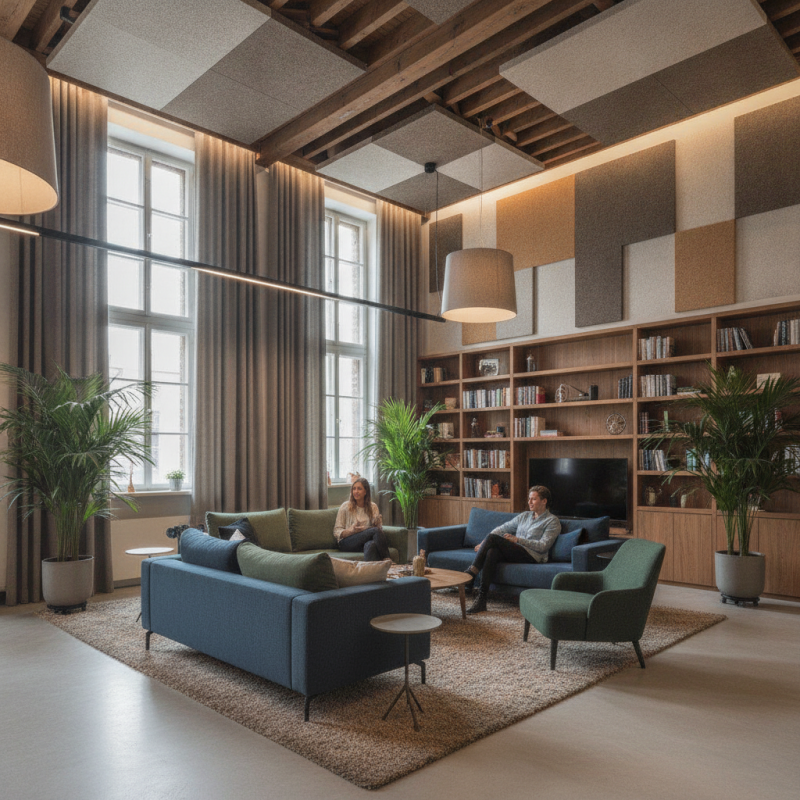
Understanding Acoustic Principles in Interior Design
Acoustic principles play a crucial role in interior design.
Sound quality impacts comfort and functionality in spaces. Studies reveal that poor acoustics can lead to increased
stress levels and reduced productivity. For instance, research indicates that noise distractions can decrease
productivity by as much as 66%. Understanding how
sound waves interact with materials is key for optimizing acoustic performance.
To improve acoustics, consider using soft furnishings.
Carpets, curtains, and upholstered furniture absorb sound, minimizing echo and reverberation.
Incorporate acoustic panels strategically to absorb excess
noise in open areas. The placement of these panels enhances sound clarity and intimacy within the space.
If natural elements are preferred, adding plants can also help reduce sound levels.
Tip: Regularly assess the sound environment. Identify areas where noise
levels disrupt activities. Simple changes, like rearranging furniture or adding rugs, can make a notable difference.
Always evaluate the results to refine your approach. This process encourages
continuous improvement in your design, ensuring that interior spaces remain not only beautiful but acoustically pleasant.
Identifying Common Sound Issues in Indoor Spaces
Indoor spaces often grapple with sound issues that can impact comfort and productivity. According to the National Institute of Health, about 30% of people working in open offices report dissatisfaction due to noise distractions. These problems can stem from hard surfaces reflecting sound, insufficient soundproofing, and poor layout design. For instance, high ceilings can amplify noise, while open configurations can scatter sound waves, leading to a chaotic auditory environment.
Common sound issues also include echoes and background noise. Research indicates that around 50% of individuals find it challenging to communicate effectively in noisy settings. Installations like acoustic panels can mitigate these challenges, yet many fail to treat their spaces adequately. Simple changes, such as adding rugs or using soft furnishings, can greatly diminish sound travel. It is essential to understand that while one solution may aid in reducing sound issues, the complexity of sound dynamics in larger spaces often requires a multifaceted approach.
How to Optimize Sound Performance in Interior Spaces? - Identifying Common Sound Issues in Indoor Spaces
| Issue |
Description |
Common Causes |
Solutions |
| Echo |
Reverberation of sound that creates a prolonged sound effect. |
Hard surfaces, lack of sound-absorbing materials. |
Install acoustic panels, use rugs and curtains. |
| Noise |
Unwanted or disturbing sounds interfering with communication. |
External sounds from traffic, machinery, etc. |
Use double-glazed windows, install sound barriers. |
| Feedback |
A loud screeching sound caused by microphones and speakers being too close. |
Improper microphone placement, amplification settings. |
Adjust microphone positions, reduce volume levels. |
| Insulation |
Inadequate sound insulation leading to sound bleed between spaces. |
Thin walls, poor sealing of doors and windows. |
Upgrade wall materials, seal gaps in doors and windows. |
Choosing Appropriate Materials for Sound Absorption
When optimizing sound performance in interior spaces, choosing appropriate materials for sound absorption is crucial. Various materials affect acoustics differently. Soft materials, like carpet and curtains, can capture sound waves effectively. They reduce echo and improve clarity. Additionally, wall panels made of foam or fabric are popular choices for sound absorption. These materials minimize noise reflection, creating a more pleasant atmosphere.
Yet, it’s important to consider the balance. Too much sound absorption can lead to a dull environment. Spaces may become overly quiet, impacting communication. Reflective surfaces, like glass or hardwood, can enhance sound quality when used wisely. Mixing materials is often the best strategy.
A combination of hard and soft surfaces can create a more dynamic acoustic profile.
Reflecting on the aesthetics is also important. Some sound-absorbing materials might not fit the design vision. It's essential to find options that align with your style. Experimenting with different textures and colors can lead to unexpected results. The goal is to create a harmonious interior that respects both aesthetics and acoustics. Each choice requires thoughtful consideration.
Implementing Design Strategies for Sound Isolation
Creating an acoustically pleasing interior requires thoughtful design strategies for sound isolation. One effective way to enhance sound performance is through the use of sound-absorbing materials. These materials can include soft furnishings, acoustic panels, and carpets. They help to reduce echo and reverberation, creating a more intimate space.
Consider the layout of furniture as well. Strategic placement can also assist in sound management.
Tips for sound isolation include adding heavy drapes to windows and using rugs on hard floors. These elements reduce noise transmission and enhance comfort. When designing open spaces, think about using partitions. They can effectively block sound and create distinct areas for different activities. However, leaving gaps in your design might unintentionally contribute to sound issues.
Ultimately, balancing aesthetic appeal with sound isolation needs is critical. Explore different textures and colors while maintaining functionality. It’s not always easy to achieve perfection in sound design. Regularly assess and adjust your space to address emerging acoustical challenges. A proactive approach will yield a more harmonious living environment.
Utilizing Technology to Enhance Acoustic Performance
In today's world, sound quality plays a crucial role in creating comfortable interior spaces. Technology can significantly enhance acoustic performance. By employing sound-absorbing materials, we can reduce echo and reverberation. For instance, adding acoustic panels to walls can minimize background noise. Soft furnishings, like carpets and heavy curtains, also contribute to a quieter environment.
Software solutions are evolving, offering advanced sound analysis capabilities. These tools help identify areas with excessive noise levels. With data-driven insights, designers can make informed decisions on soundproofing options. However, implementing these technologies requires careful planning. Sometimes, solutions that work in theory may not translate seamlessly in practice. Testing different configurations is essential to achieve optimal results.
Lighting and layout also influence sound dynamics. The arrangement of furniture can either enhance or disrupt sound flow. Aesthetics should not overshadow acoustics. Designers often emphasize style over functionality, leading to oversight. An ideal balance between visual appeal and sound quality is vital. Engaging acoustical experts can provide valuable guidance in this complex process.
FAQS
: Acoustic principles affect sound quality, comfort, and functionality. Poor acoustics can increase stress and reduce productivity.
Common issues include echoes, background noise, and sound from hard surfaces. They can disrupt communication and cause dissatisfaction.
Soft furnishings like carpets and curtains absorb sound. They minimize echo and create a more pleasant auditory environment.
Use sound-absorbing materials, like acoustic panels and heavy drapes. Strategic furniture placement can also aid in sound management.
Regularly evaluate noise levels in your space. Identify areas causing disruption and make simple adjustments to improve acoustics.
Plants can help reduce sound levels naturally. They add aesthetic appeal while enhancing the overall acoustic experience.
Yes, furniture placement can influence sound travel. Arranging pieces thoughtfully helps manage noise and improve communication.
No, achieving perfect acoustics is challenging. It often requires ongoing assessment and adjustment of your space.
High ceilings can amplify noise. They may create an overwhelming auditory environment if not managed properly.
Yes, small adjustments like adding rugs or rearranging furniture can significantly improve sound quality in your space.
Conclusion
To effectively address how to optimize sound performance in interiors, it is essential to understand the fundamental acoustic principles that influence sound behavior in interior spaces. Common sound issues such as excessive echo, noise leakage, and poor sound clarity can significantly impact the functionality of a space. By identifying these challenges, designers can select appropriate materials that enhance sound absorption, such as carpets, acoustic panels, and soft furnishings.
Furthermore, implementing strategic design techniques—like zoning, careful layout planning, and using sound barriers—can effectively isolate sound within a space. Integrating technology, such as advanced sound systems and sound-masking devices, can further enhance acoustic performance. By combining these approaches, one can create interiors that not only look aesthetically pleasing but also provide an optimal auditory experience.

 Dubuild Panel