China Top 10 Tips to Design a Quiet Workspace?

Time:2026-05-13 Author:Aria
0%

Creating an efficient workspace goes beyond aesthetic appeal. It includes designing it to minimize noise distractions. Research shows that 70% of workers feel noise affects their productivity negatively. A quiet workspace boosts concentration and enhances overall work quality.

Understanding how to design a quiet workspace is essential for maximizing employee output. According to a survey by the International Society of Environmental Ergonomics, sound levels above 55 decibels can lead to reduced performance and increased stress. Thoughtful design choices can lead to significant improvements in workplace satisfaction.

Consider sound-absorbing materials and strategic layouts. While implementing these elements, be mindful of potential challenges, such as budget constraints or existing space limitations. It is vital to continuously assess the impact of these changes. Achieving a perfectly quiet workspace may be unrealistic, but incremental improvements can lead to a more focused environment.
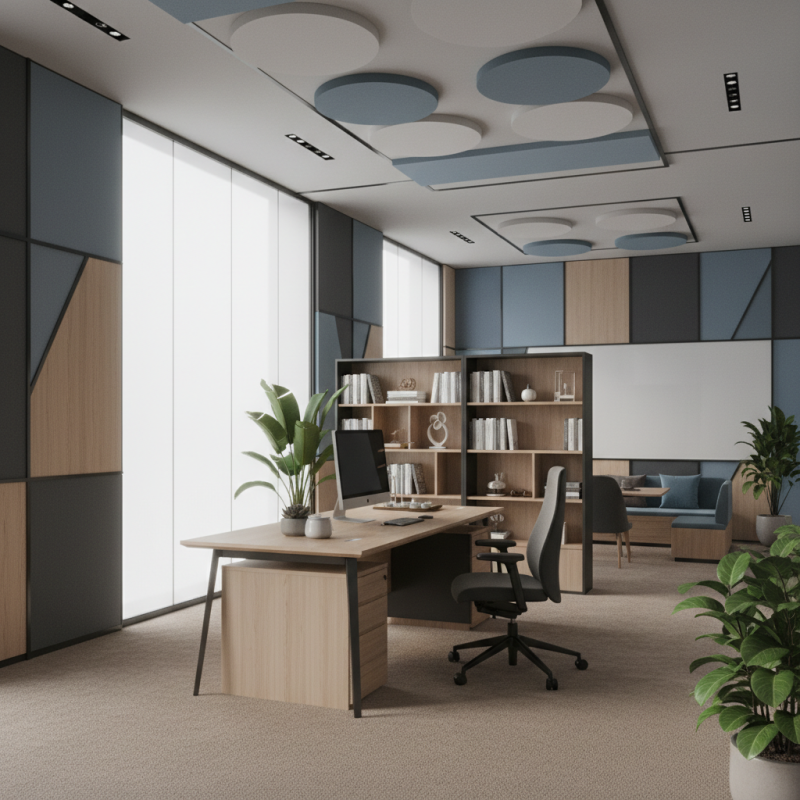
China Top 10 Tips to Design a Quiet Workspace?

Importance of Acoustic Design in the Workplace: Industry Statistics

In recent years, the significance of acoustic design in the workplace has gained heightened attention. A study by the World Health Organization indicates that noise pollution can impair cognitive performance by up to 66%. Employees often struggle to concentrate in noisy environments. This can lead to decreased productivity and increased stress levels.

Furthermore, according to a report by the International Interior Design Association, about 70% of workers believe that better acoustics would enhance their ability to perform tasks. Poor sound quality can distract employees and hinder communication. These issues can deteriorate workplace morale and lead to higher turnover rates.

Data from the Occupational Safety and Health Administration reveals that prolonged exposure to excessive noise can cause serious health issues. Employees may face not only hearing loss but also increased anxiety and fatigue. As organizations strive to create healthier workspaces, addressing acoustic concerns is essential for overall well-being and effectiveness. Reducing noise distractions can ultimately foster a more engaged and productive workforce.

China Top 10 Tips to Design a Quiet Workspace - Importance of Acoustic Design in the Workplace: Industry Statistics

Tip No. Design Tip Expected Noise Reduction (%) Implementation Cost (RMB) Improvement in Productivity (%)
1 Use Acoustic Panels 30 5000 20
2 Install Soundproof Doors 25 3000 15
3 Choose Carpet Flooring 20 2000 10
4 Add Plants for Sound Absorption 15 1500 5
5 Utilize Open Space Layouts 10 1000 8
6 Use Quiet Office Equipment 40 8000 25
7 Create Quiet Zones 50 4000 30
8 Adjust Workstation Layout 15 1200 10
9 Implement Sound Masking Systems 35 6000 22
10 Optimize Window and Wall Insulation 45 7000 18

Key Elements of Sound Absorption Materials for Quiet Workspaces

Creating a quiet workspace is essential for productivity and focus. The choice of sound absorption materials plays a crucial role in this endeavor. Fabrics like acoustic panels can significantly dampen noise. These panels are often made from dense materials that effectively trap sound waves. They can be hung on walls or used as room dividers to minimize distractions.


Additionally, carpets and rugs contribute to sound absorption. Thick, plush carpets absorb impact noise from footsteps. They help create a more serene atmosphere. Using heavy curtains can also reduce external noise infiltration. These elements create a layered approach to sound absorption, enhancing the overall acoustic comfort of the workspace.


However, it’s important to consider the balance between aesthetics and functionality. Designing a workspace that looks good while minimizing noise can be challenging. Experimenting with different materials and arrangements may lead to impractical results. It's a process of trial and error. Each workspace is unique, requiring customized solutions to achieve the desired quiet environment. Embrace the imperfections and learn from the setbacks as you strive for a harmonious workspace.

Effective Layout Planning to Minimize Noise Distraction

Creating a quiet workspace requires thoughtful design and layout planning. Noise distractions can disrupt workflow and reduce productivity. Therefore, a well-organized space is essential for maintaining focus and efficiency.

One effective tip is to position your desk away from noisy areas. Windows facing busy streets or common spaces should be avoided if possible. Use furniture to create barriers, blocking sound from entering your workspace. Soft materials, such as carpets and curtains, also absorb sound. This can significantly reduce background noise.

Another key aspect is organizing digital distractions. A cluttered desktop can lead to scattered thoughts. Consider decluttering regularly to create a more serene environment. The arrangement of your tools matters, too. Keep frequently used items within arm’s reach. This helps minimize unnecessary movement and distractions.

Remember, the best workspace isn’t perfect. It should evolve as your needs change. Occasionally reassess your layout and functionality. These adjustments can reflect personal growth and shifts in work style. Design a space that not only minimizes noise but also inspires creativity.

Top 10 Tips to Design a Quiet Workspace

Impact of Natural Elements on Sound Levels and Employee Focus

Natural elements play a crucial role in shaping a quiet workspace. Incorporating plants into office designs can significantly reduce noise levels. Research shows that greenery absorbs sound, creating a calming atmosphere. These spaces can foster productivity. When employees feel less distracted, they focus better on their tasks.

Natural light also impacts sound perception. Sunlight streaming through windows can uplift moods and reduce stress. Employees tend to engage more when they have a view of nature. This connection to the outdoors enhances creativity. However, not all offices can capitalize on these aspects. Sometimes, layouts restrict natural features. This lack can hinder performance.

Water features, like small fountains, are another effective tool. They generate soothing sounds that mask disruptive noises. However, not everyone enjoys the sound of running water. Some may find it distracting. It’s essential to consider individual preferences when designing. Balancing these elements is key to creating an effective workspace. Aim for an environment that supports diverse needs and fosters individual focus.

Technological Solutions for Noise Control in Modern Office Environments

In modern office environments, noise can disrupt focus and productivity. According to a report by the International Journal of Environmental Research and Public Health, workplace noise can reduce productivity by up to 66%. This highlights the importance of incorporating effective noise control technologies into workspace design.

Acoustic panels have emerged as a popular solution. These panels absorb sound waves, reducing overall noise levels in open office layouts. Research indicates that offices using acoustic solutions can improve employee concentration significantly. Additionally, sound-masking systems can be used to create a consistent auditory environment. This technology can effectively reduce distracting background noise, creating a more peaceful workplace.

On the other hand, not all employees benefit equally from noise control measures. Some may feel isolated in quiet spaces, leading to decreased morale. While technology can solve many issues, thoughtful design must consider individual preferences. Balancing noise reduction with collaboration opportunities is essential. As organizations strive for quieter workplaces, understanding these nuances will be key to successful implementation.

FAQS

: What materials are effective for sound absorption in workspaces?

: Acoustic panels, plush carpets, and heavy curtains are effective at reducing noise.

How do carpets contribute to a quieter environment?

Thick carpets absorb impact noise from footsteps, enhancing the overall serenity of the workspace.

What role do curtains play in sound absorption?

Heavy curtains help reduce external noise infiltration, contributing to a quieter atmosphere.

How can desk placement minimize noise distractions?

Position your desk away from noisy areas like windows facing busy streets or communal spaces.

Why is digital organization important for a quiet workspace?

A cluttered desktop can disrupt focus and productivity. Regular decluttering creates a serene environment.

How can I create barriers to reduce noise?

Use furniture strategically to block sound from entering your workspace and absorb background noise.

How often should I reassess my workspace layout?

Regular reassessment helps adapt the space to your changing needs and work style.

What is a common mistake when designing a quiet workspace?

Focusing solely on aesthetics may lead to impractical sound absorption solutions.

Can a workspace ever be perfectly quiet?

Perfect quiet is unlikely. Embrace imperfections and adapt for an inspiring environment.

Is it important to balance aesthetics and functionality?

Yes, finding a balance is vital for both sound absorption and a pleasing workspace design.

Conclusion

Creating a quiet workspace is essential for enhancing employee focus and productivity. To effectively design a quiet workspace, it is crucial to understand the importance of acoustic design in the workplace, supported by various industry statistics highlighting noise's impact on work performance. Key elements such as sound absorption materials play a vital role in minimizing unwanted noise while effective layout planning can strategically position workstations to reduce distractions.

Incorporating natural elements, like plants and water features, can significantly influence sound levels, fostering a more serene atmosphere. Additionally, leveraging technological solutions, such as noise-canceling devices and sound masking systems, can further help in controlling noise in modern office environments. By considering these factors on how to design a quiet workspace, organizations can create an environment conducive to productivity and well-being.

Aria

Aria

Aria is a dedicated marketing professional with a deep passion for innovative strategies and a keen understanding of our company's product offerings. With a wealth of experience in the industry, Aria excels at crafting engaging content that highlights the unique features and benefits of our......