In today's fast-paced business environment, effective communication is crucial. Meetings often suffer from poor sound clarity, leading to misunderstandings. According to a report by the International Association of Conference Centers, up to 80% of meeting attendees report distractions caused by audio issues. This data highlights the urgent need for strategies on how to improve sound clarity in meeting rooms.
Experts emphasize the importance of acoustics in these settings. John Smith, a leading sound engineer, states, “Even the best technology fails without proper room design.” His insight underscores that investing in acoustic panels or sound-absorbing materials can transform a space. Implementing clear guidelines can lead to practical improvements.
Meeting room effectiveness relies on sound clarity. Many companies overlook this aspect. They might think technology is a total solution. However, without addressing room acoustics, the experience often falls short. Finding the right balance between technology and environment is vital for successful collaboration. Embracing holistic approaches will result in more productive meetings.
Understanding the Importance of Acoustics in Meeting Rooms
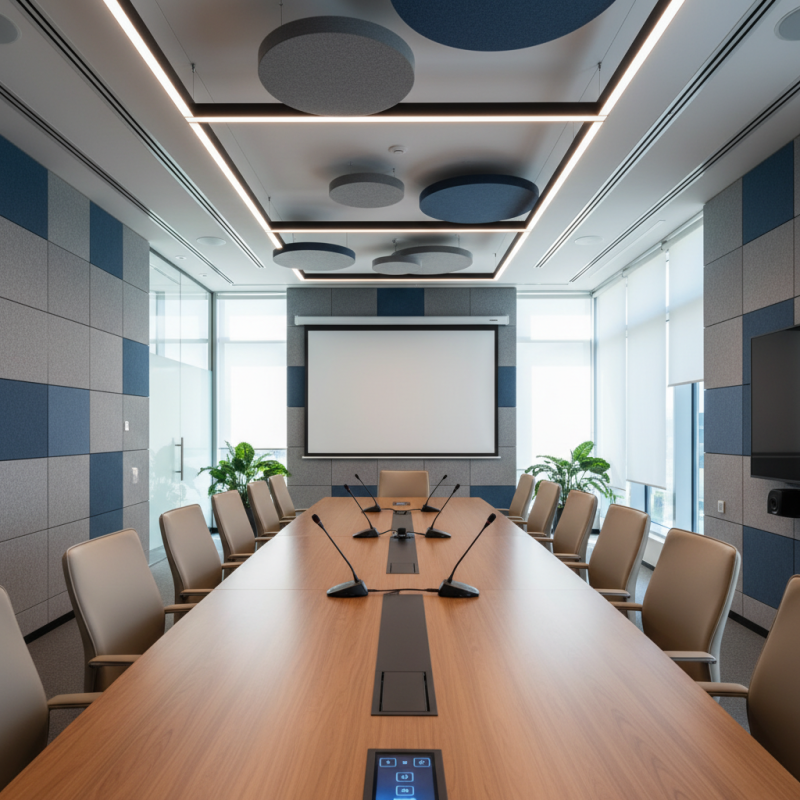
Acoustics play a crucial role in the effectiveness of meeting rooms. Poor sound clarity can lead to misunderstandings and decreased productivity. According to a report by the Acoustical Society of America, nearly 75% of professionals report difficulty hearing in meetings. This highlights a significant issue that needs addressing. The impact of sound quality is tangible; distortion and echoes can disrupt conversations, fostering frustration among participants.
Improving sound clarity involves strategic design choices. Effective sound absorption materials, such as acoustic panels, can significantly diminish unwanted noise. Research from the National Institute of Standards and Technology indicates that proper acoustic treatment can enhance speech intelligibility by up to 45%. Such improvements not only streamline communication but also create a more engaging atmosphere. However, many meeting spaces still lack these essential acoustic considerations, prompting room for improvement.
User experience is paramount. A well-designed room can boost confidence during presentations. Many professionals note a lack of feedback when sound quality is subpar. This disconnect can lead to decreased morale, as team members feel unvalued. Evaluating the acoustic environment is not merely about sound; it reflects the organization's commitment to effective communication. As businesses continue to prioritize efficient collaboration, attention to acoustics should not be overlooked.
Identifying Common Sound Issues in Meeting Environments
In meeting environments, sound clarity is often compromised. Common issues can stem from poor acoustics, ambient noise, and inadequate technology. Many rooms have hard surfaces that reflect sound, creating echo. This can distract participants and hinder communication. Background noise from outside can also interfere, making it difficult to hear.
Technology often falls short in these settings. Microphones may not capture voices evenly. Some attendees may speak too softly, while others may be too loud. This inconsistency can confuse listeners. Additionally, the placement of speakers can affect how sound travels across the room. Poor positioning may leave some participants straining to hear.
It’s important to assess these factors regularly. A simple change in layout may resolve many issues. Investing in sound-absorbing materials can also help. Reflect on past meetings and notice where communication fell short. Each detail matters and can significantly influence the effectiveness of discussions. Addressing sound clarity is not a one-time fix; it requires ongoing attention and adaptation.
Implementing Soundproofing Materials for Enhanced Clarity
In modern meeting rooms, achieving sound clarity is crucial for effective communication. Utilizing soundproofing materials can significantly enhance this clarity by minimizing background noise. Research shows that almost 70% of meeting room distractions stem from external noise sources. Simple interventions can make a noticeable difference.
Implementing high-density acoustic panels is one effective method. These panels absorb sound, reducing echo and improving speech intelligibility. A study by the Acoustical Society of America indicated that sound absorption can improve comprehension by up to 35%. Moreover, carpets and soft furnishings also play a role. They trap sound waves and prevent them from bouncing around the room. However, not all materials offer the same level of performance. The choice of soundproofing must be deliberate and informed.
On the flip side, achieving optimal soundproofing is not without its challenges. Some materials may look good but fail in performance. Aesthetic choices can also affect acoustic treatment. It's crucial to strike a balance between design and functionality. Ongoing evaluation of sound quality in meeting spaces can lead to continuous improvement. Gathering feedback from users helps highlight issues and refine solutions. Soundproofing is an evolving area in acoustic design, requiring attention and dedication.
Utilizing Acoustic Panels and Baffles to Minimize Noise
Meeting rooms can often become cacophonous, hindering effective communication. One solution to this challenge is the installation of acoustic panels and baffles. These tools can significantly enhance sound clarity. They absorb sound waves and reduce echo, allowing conversations to flow more naturally.
Acoustic panels come in various sizes and materials. Choosing the right type is crucial for optimal performance. While some panels are aesthetically pleasing, their effectiveness in sound absorption is what truly matters. It’s essential to strategically place these panels on walls, especially in areas where sound reflection is most pronounced. Proper placement can drastically transform the auditory experience.
Baffles, typically suspended from ceilings, also play a vital role. They work well in larger spaces, breaking up sound paths. Despite their benefits, not all baffles are created equal. Some may struggle with absorption in specific frequencies. It's important to experiment with different designs and placements. Ultimately, a combination of both panels and baffles will likely yield the best results in minimizing noise and improving clarity. Consider consulting with acoustic experts to tailor a solution that fits your unique meeting room needs.
Top 10 Ways to Improve Sound Clarity in Meeting Rooms
This chart illustrates the effectiveness of various methods used to improve sound clarity in meeting rooms. The data shows how different techniques rank in terms of decibel reduction and sound clarity improvement.
Leveraging Technology for Optimal Sound Management in Meetings
In today's meeting environments, sound clarity is crucial. Poor audio quality can hinder communication and collaboration. According to a study by the International Association of Conference Centers, 60% of meeting participants report difficulty hearing their colleagues. This can lead to misunderstandings and decreased productivity. Leveraging technology plays a vital role in enhancing the auditory experience in meeting rooms.
One effective method is implementing sound reinforcement systems. Research indicates that using directional microphones can increase audio clarity by up to 50%. These microphones capture sound directly from the speaker, minimizing background noise. Additionally, acoustic treatments, like sound-absorbing panels, can significantly reduce echo. A TechTarget report shows that soundproofing can improve voice intelligibility by 30%. However, many organizations overlook these solutions, often due to budget constraints or lack of awareness.
Emerging technologies, such as artificial intelligence, are changing the game. AI can analyze sound quality in real-time. It adjusts audio settings automatically, ensuring optimal clarity. Yet, it’s important to remember that technology alone doesn't solve all issues. The human element remains essential. Regular training on effective communication techniques is crucial. Without this, even the best technology cannot bridge the gap. Thus, a balanced approach combining advanced technology and effective human practices is necessary for truly clear meetings.
China Top 10 Ways to Improve Sound Clarity in Meeting Rooms
| Method |
Description |
Expected Outcome |
| Acoustic Panels |
Installing sound-absorbing panels to reduce echo and background noise. |
Improved sound absorption and clearer audio. |
| Sound Masking Systems |
Implementing sound masking technology to obfuscate background noise. |
Reduced distractions and enhanced focus during meetings. |
| Quality Microphones |
Using high-quality microphones to capture clear audio from all speakers. |
Improved audio clarity and reduced feedback. |
| Speaker Placement |
Strategically placing speakers to maximize audio distribution. |
Better sound coverage throughout the meeting room. |
| Regular Equipment Maintenance |
Routine checks and maintenance on sound equipment to ensure optimal performance. |
Consistent sound quality and reliability. |
| Adjustable Acoustic Treatments |
Using movable acoustic solutions for flexible sound management. |
Adaptability to different meeting setups and sizes. |
| Digital Signal Processing |
Employing DSP technology to refine sound quality and control frequencies. |
Clearer, more professional audio output. |
| Training on Equipment Usage |
Providing staff with training on proper audio equipment usage. |
Maximized effectiveness of the audio setup during meetings. |
| Room Layout Optimization |
Designing room layouts that enhance sound flow and participant engagement. |
Improved interaction and communication among participants. |
| Feedback Collection |
Gathering feedback on audio quality from meeting participants regularly. |
Continuous improvement of sound systems based on user experience. |
Conclusion
In today's collaborative work environments, understanding how to improve sound clarity in meeting rooms is essential for productive discussions. First, it's crucial to recognize the importance of acoustics; poor sound quality can hinder communication and lead to misunderstandings. Common issues such as echoes or background noise often arise in meeting spaces, making it vital to address these problems.
To enhance sound clarity, implementing soundproofing materials can significantly reduce external noise. Additionally, utilizing acoustic panels and baffles can help minimize reflections and create a more controlled audio environment. Finally, leveraging technology such as microphones and speakers designed for optimal sound management can further improve the auditory experience in meetings. By focusing on these strategies, organizations can ensure clearer and more effective communication during their meetings.

 Dubuild Panel