Top 10 Trends in Acoustic Solutions for Global Buyers?

Time:2026-06-19 Author:Isabella
0%

As the demand for effective acoustic solutions rises, understanding "what are trends in acoustic solutions" becomes vital. Experts like Dr. Emily White, a renowned acoustic engineer, emphasize, "Innovation in acoustic design is steering the industry towards sustainability."

The landscape of acoustic solutions is rapidly changing. Emerging technologies are enhancing soundproofing materials and techniques. Meanwhile, eco-friendly options are becoming more prominent. Trends indicate a shift towards products that minimize environmental impact while maximizing sound performance.

Buyers must stay informed about these developments. Incorporating new ideas can foster better product selection. Reflecting on existing practices can lead to innovative adaptations. Continuous improvement is essential in meeting both market needs and sustainability goals. The quest for effective acoustic solutions is ongoing, with new advancements on the horizon.
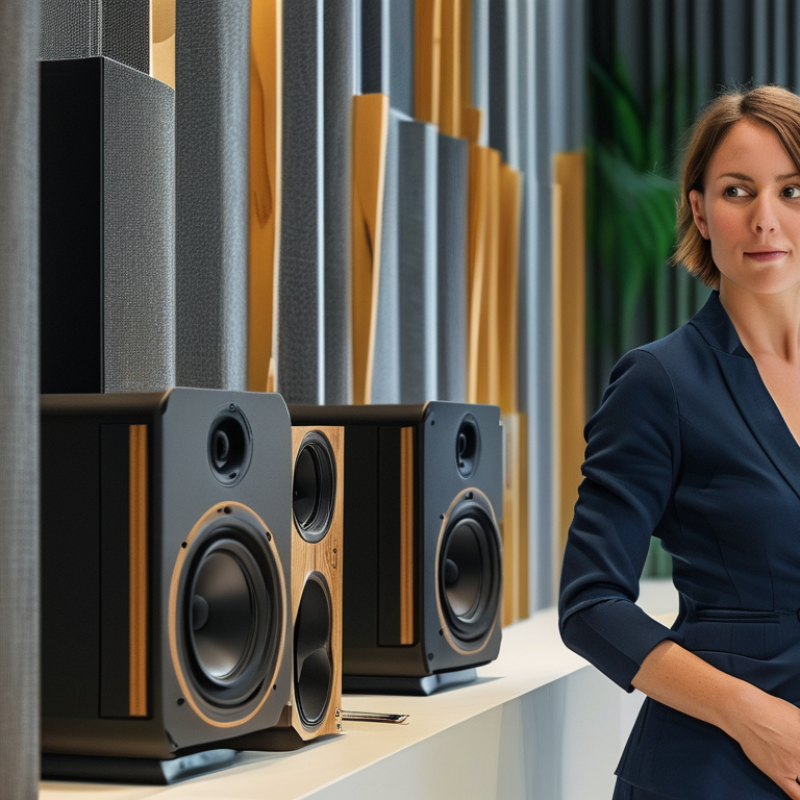
Top 10 Trends in Acoustic Solutions for Global Buyers?

Emergence of Sustainable Materials in Acoustic Products

The emergence of sustainable materials in acoustic products is reshaping the industry. A recent report from the Acoustic Society of America indicates that the demand for eco-friendly acoustical solutions has increased by 30% over the past three years. Buyers are more aware of the environmental impact of their choices. This trend reflects a growing commitment to sustainability.

Many manufacturers now focus on biobased and recycled materials. For instance, products made from recycled plastics or natural fibers are becoming popular. These materials not only reduce waste but also enhance sound absorption characteristics. However, challenges remain. The availability and consistency of these sustainable materials can vary. Some options may not perform as well as traditional materials.

Moreover, the cost implications of sustainable solutions can be significant. A recent study revealed that eco-friendly acoustic panels can be up to 15% more expensive. Yet, consumers are increasingly willing to invest in these products, seeing the long-term benefits. This shift suggests a potential reevaluation of what constitutes value in the acoustic market. The conversation around sustainability is just beginning; it requires ongoing dialogue and innovation.

Top 10 Trends in Acoustic Solutions for Global Buyers

Trend Description Sustainable Materials Market Impact (%)
Natural Sound Absorbers Increasing use of materials like wool, cotton, and hemp for sound absorption. High 25%
Recycled Acoustic Panels Acoustic panels made from post-consumer recycled materials. Medium 30%
Bio-based Foams Foams derived from natural sources like soybeans and other plants. High 20%
Sustainable Fabric Upholstery Use of upholstery fabrics that are environmentally friendly. Medium 15%
Eco-friendly Adhesives Adhesives made from sustainable resources to bind acoustic materials. Low 10%
Smart Acoustic Technology Integration of technology for customizable sound management. Low 5%
Modular Acoustic Solutions Flexible designs that can be easily reconfigured and reused. Medium 18%
Acoustic Green Certifications Products certified for sustainability and minimal environmental impact. High 12%
Community Involvement in Acoustic Solutions Engaging local communities in sourcing materials and designs. Medium 8%
Life Cycle Assessment of Acoustic Products Evaluation of environmental impacts throughout the product's life. High 20%

Innovative Installation Techniques for Enhanced Acoustic Performance

Innovative installation techniques play a pivotal role in enhancing acoustic performance in various environments. Recent studies indicate that improper installation can reduce acoustic efficacy by up to 30%. Therefore, understanding the nuances of each technique is crucial. For instance, ceiling-mounted acoustic panels can significantly improve sound quality by absorbing reverberations. Positioning them correctly allows for optimal sound dampening.

Damping materials and sound clips are also emerging as key players in installation techniques. Using resilient channels can decouple drywall from studs, leading to a 15-20 dB improvement in sound isolation. These methods illustrate the necessity of combining both material and method for maximum effect. However, many installers fail to recognize the importance of these details, potentially undermining the overall acoustic design.

Moreover, the trend towards modular solutions is notable. These systems allow for easy reconfiguration, which is essential in dynamic spaces. Yet, there is often a lack of training in these new methods among professionals. Continuous education is vital to keep up with advancing technologies. This gap in knowledge can lead to less effective installations. Careful consideration of installation techniques can make a substantial difference in achieving desired acoustic results.

Integration of Smart Technology in Acoustic Solutions

The integration of smart technology into acoustic solutions is transforming the industry. Recent market research indicates that around 35% of acoustic solution providers are adopting smart features. These innovations enhance user experience and optimize sound quality.

Smart devices often utilize advanced algorithms and artificial intelligence. These help in sound tuning and environment adaptation. For example, real-time adjustments to sound settings based on surrounding noise levels are becoming common. A study shows that companies integrating smart tech report a 20% improvement in user satisfaction.

However, the rapid adoption of smart technology raises concerns. Many users are unsure about data privacy issues connected to these devices. There's also the challenge of interoperability between different smart systems. Experts suggest that clearer standards are needed to ensure reliability. Balancing innovation with security remains a crucial issue in this evolving landscape.

Customization Trends in Acoustic Design for Diverse Applications

Customization in acoustic design is increasingly vital for various applications. Buyers expect tailored solutions that meet their specific needs. This trend leads to innovative products that not only perform well but also enhance the aesthetics of a space. Acoustic materials can now reflect individuality, allowing designers to create unique environments.

One effective approach is to consider the specific function of the space. Educational institutions need soundproof environments to enhance learning. In contrast, hospitality spaces might focus on creating inviting atmospheres. Understand the end-user needs deeply, as this will guide the customization process. Pay attention to elements like color, texture, and design flexibility.

**Tip:** Engage with users early in the design process. Their insights are invaluable. Explore various materials to ensure an optimal acoustic experience. Testing different configurations can lead to surprising benefits. A trial-and-error approach is often necessary to achieve the best results. Adjustments may be needed based on user feedback.

Top 10 Trends in Acoustic Solutions for Global Buyers

Growing Demand for Aesthetic Acoustic Treatments in Interior Design

The demand for aesthetic acoustic treatments is rising in interior design. More homeowners and businesses are recognizing the importance of sound quality. These treatments no longer just serve a functional role; they also enhance the beauty of a space. Textures, colors, and forms are now key considerations in their selection process.

When planning your acoustic space, consider blending materials. Wooden panels can add warmth, while fabric tiles offer softness. Both can be stylish and effective. Try mixing geometric shapes for a contemporary look. Natural elements can also soften sound while providing visual appeal. This combination makes spaces enjoyable and engaging.

Tips: Remember to assess the space before choosing treatments. Each room has unique acoustic needs. A quiet library may require different solutions than a bustling office. Also, keep in mind that design choices should reflect personal style. While practicality is important, don't hesitate to add a touch of creativity. Transform your space into a harmonious blend of sound and beauty.

FAQS

: What factors are driving the demand for eco-friendly acoustic products?

: Buyers are increasingly aware of environmental impacts. The demand for sustainable solutions has grown by 30% recently.

What materials are commonly used in sustainable acoustic products?

Manufacturers often use recycled plastics and natural fibers. These materials enhance sound absorption and reduce waste.

Are sustainable acoustic products more expensive?

Yes, eco-friendly acoustic panels can be up to 15% more costly. Consumers see long-term value in these investments.

How does improper installation affect acoustic performance?

Improper installation can decrease acoustic efficacy by up to 30%. Correct techniques are crucial for optimal sound quality.

What innovative installation techniques exist to improve acoustics?

Ceiling-mounted panels and resilient channels can significantly enhance sound isolation. Positioning and technique matter greatly.

Why is ongoing training important for acoustic installers?

Many professionals lack knowledge of new installation methods. Continuous education helps maintain effective acoustic designs.

How is smart technology influencing acoustic solutions?

About 35% of providers now incorporate smart features, enhancing user experience and optimizing sound quality.

What concerns arise from integrating smart technology?

Users worry about data privacy issues. Compatibility between different smart systems also poses challenges.

How can acoustic products adapt to different environments?

Smart devices use algorithms for real-time sound adjustments. They adapt based on surrounding noise levels for better performance.

What is needed for the successful integration of smart technology?

Clearer standards are necessary for reliability. Balancing innovation with security remains a key concern in this area.

Conclusion

In recent years, there has been a significant shift in the field of acoustic solutions, reflecting the evolving needs of global buyers. Key trends in acoustic solutions highlight the emergence of sustainable materials, which not only enhance performance but also address environmental concerns. Innovative installation techniques have been developed to improve acoustic performance, while the integration of smart technology is transforming how users interact with these solutions.

Customization has become a vital aspect, allowing for tailored acoustic designs that meet diverse applications and preferences. Additionally, the growing demand for aesthetic acoustic treatments in interior design demonstrates that functionality can coexist with style. Overall, understanding what are trends in acoustic solutions reveals a progressive industry that prioritizes sustainability, innovation, and user-centric design.

Isabella

Isabella

Isabella is a dedicated marketing professional with a sharp focus on driving brand growth and engagement through strategic content creation. With an extensive background in digital marketing, she combines her passion for storytelling with her keen understanding of industry trends to deliver......