Indoor sound quality significantly affects our comfort and productivity. According to a recent report by the Acoustical Society of America, 30% of people work better in quieter environments. Yet, many struggle to create these spaces. If you're asking, "what is the best way to improve sound quality indoors?" you're not alone.
Expert acoustician Dr. Laura Bennett emphasizes, “Simple changes can greatly enhance sound clarity.” Her insights are vital for those looking to minimize noise pollution. For instance, adding rugs or heavy curtains can absorb sound. Using furniture strategically can also help in breaking up sound waves. These changes can make a noticeable difference.
In an age where distractions abound, investing in sound quality is essential. Many people overlook acoustics in their homes or offices. This can lead to frustrating disruptions. However, with a few thoughtful adjustments, it is possible to achieve a serene environment that fosters better focus and interaction. Addressing sound quality is not just beneficial, but essential for well-being.
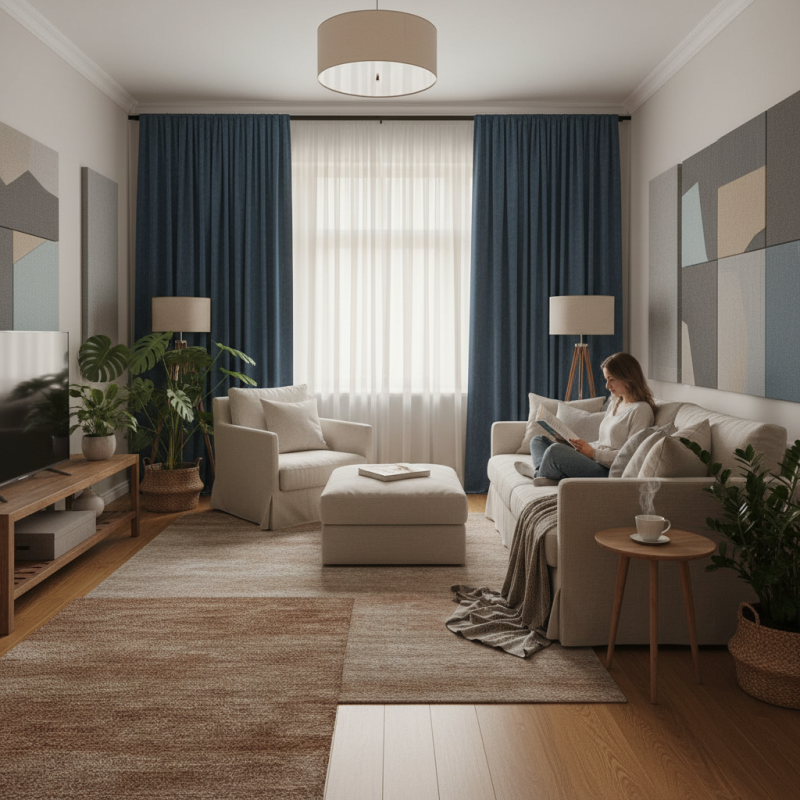
Identifying Common Sources of Indoor Sound Disturbances
Indoor sound disturbances can significantly impact comfort and productivity. Common sources include external noise from traffic, HVAC systems, and internal sounds such as voices and electronics. A study by the Environmental Protection Agency (EPA) shows that about 30% of indoor noise originates from outside sources. Even in a well-designed space, these noises creep in, disrupting focus.
The acoustics of a room play a crucial role in sound quality. Hard surfaces, like tiles and glass, can reflect sound waves, magnifying disturbances. This reflection can lead to echoes, making conversations difficult. According to a report from the National Institute of Standards and Technology (NIST), sound absorption materials can reduce noise levels by up to 50%. However, many homeowners overlook this simple solution.
Some might think that the layout of furniture can solve sound issues. While it may help, it does not substitute for soundproofing materials. Curtains, rugs, and wall panels can absorb sound, yet many rooms lack any of these features. A survey indicated that almost 40% of people live in environments with inadequate sound treatment. Addressing these overlooked elements can dramatically enhance indoor sound quality.
Selecting the Right Acoustic Treatments for Your Space
When selecting the right acoustic treatments for your space, understanding the types of materials available can make a significant difference. Acoustic panels, foam, and bass traps effectively absorb sound. According to a 2022 report by the Acoustical Society of America, well-placed panels can reduce reverberation time by up to 70%. This can enhance sound clarity, which is particularly useful in home studios or offices.
Consider your room's specific needs. Hard surfaces reflect sound, causing echoes and muddiness. If your room features large windows or concrete walls, installing fabric-covered panels will help mitigate these issues. In fact, a study by Sound & Vibration in 2021 noted that rooms treated with adequate acoustic panels showed over 50% improvement in speech intelligibility. It’s crucial to assess each space individually; there’s no one-size-fits-all solution, and what works effectively in one area might not suffice in another.
Bear in mind that installation and placement matter as much as the materials themselves. Improperly placed treatments can lead to uneven sound quality, creating a frustrating listening experience. Aim for a balanced distribution across walls and ceilings, but experiment with different setups. Reflecting on the environment plays a critical role in achieving optimal sound.
Implementing Soft Furnishings to Absorb Sound
Soft furnishings play a critical role in improving indoor sound quality. They help absorb sound waves, reducing echoes and unwanted noise. Think about plush rugs, thick curtains, and upholstered furniture. These elements work together to create a more pleasant auditory environment. Studies show that soft materials can significantly improve the acoustics of a room.
However, not everyone realizes the importance of these furnishings. Many homes still have bare walls and hard surfaces. These can amplify sound instead of regulating it. Think of how a simple addition, like a well-placed throw blanket, can dampen noise. Try experimenting with different textures and materials. You might notice a difference in how sound travels in your space.
Investing in soft furnishings doesn’t have to be a costly endeavor. You can often find affordable options that still serve a purpose. The key is to mix and match items that not only look good but also enhance sound quality. It’s worth reflecting on the balance between style and functionality. Sometimes, your choices might not yield the desired effect. Keeping an open mind during this process can lead to better results.
Arranging Furniture to Optimize Sound Reflection
Arranging furniture can significantly impact the acoustics of a room. Hard surfaces reflect sound, while soft surfaces absorb it. A living room filled with plush sofas and heavy drapes tends to create a warmer sound, minimizing echoes. If you notice that your voices and music seem to bounce around the space, your layout might be off. Move your furniture closer to walls to create natural barriers against unwanted noise.
Consider the placement of speakers or sound sources. Position them away from corners, as this can enhance bass response and reduce muddiness. Experiment with the angle of your seating. Rotating chairs slightly towards the sound source can help direct the sound waves. Reflective surfaces, like glass tables, can be both beneficial and problematic, amplifying some sounds while distorting others. Think about this space's overall sound profile—what works for one area may fail in another.
Don’t underestimate how rugs or carpets can make a difference too. They absorb sound waves, reducing harshness in the air. Yet, too many soft items can create a dull sound. It’s essential to strike a balance. Your goal should be a vibrant yet clear sound. Finding that middle ground may require some trial and error, but it can lead to a much-improved listening environment. Remember, the acoustics of any space evolve continuously. Reflect on the dynamics of sound, and adjust as needed.
Utilizing Soundproofing Techniques for Enhanced Privacy
Creating a soundproof environment is essential for enhancing privacy indoors. Utilizing effective soundproofing techniques can significantly reduce noise levels, leading to a more serene atmosphere. Research indicates that soundproofing can reduce noise transmission by up to 80%, making it a worthwhile investment for homeowners and businesses alike.
One practical method is adding acoustic panels to walls. These panels absorb sound waves, diminishing echoes and creating a quieter space. Studies show that installing such panels can improve sound quality by as much as 50%, providing a more pleasant auditory experience. Another technique is using heavy curtains, which can block external sounds effectively. They are often overlooked yet can be an economical solution for soundproofing.
Flooring choices also play a crucial role. Carpets generally reduce noise better than hard floors. Sound travels faster through hard surfaces, reflecting sound waves.
In offices, 42% of employees report that noise distractions affect their productivity. Evaluating your soundproofing approach can help create a conducive environment. Testing various methods provides insights into what works best for your space.
FAQS
: Noise comes from traffic, HVAC systems, voices, and electronics inside the home.
They reflect sound waves, causing echoes and louder disturbances indoors.
Furniture helps a little but cannot replace proper soundproofing materials.
Acoustic panels, foam, and bass traps reduce reverberation and improve clarity.
Placement affects sound quality greatly; bad placement causes uneven acoustics.
Yes, heavy curtains block outside sounds, and carpets reduce noise faster than hard floors.
No, every room differs; what works in one space may fail in another.
It can reduce noise by up to 80%, though effectiveness varies with methods.
Overlooking material choice or poor installation often causes poor sound results.
Reassess your approach and test different materials or placements to improve.
Conclusion
Improving sound quality indoors can significantly enhance the listening experience and overall comfort of a space. To address the question, "what is the best way to improve sound quality indoors," start by identifying common sources of sound disturbances, such as hard surfaces and background noise. Once the sources are recognized, selecting the right acoustic treatments tailored to your space becomes essential. Consider incorporating soft furnishings, like curtains and rugs, which can absorb sound and reduce echo.
Furthermore, arranging furniture strategically can optimize sound reflection, thereby creating a more balanced audio environment. Lastly, utilizing soundproofing techniques, such as sealing gaps or adding insulation, can provide enhanced privacy and further minimize external noise. By following these steps, anyone looking to improve their indoor sound quality can create a more enjoyable auditory space.

 Dubuild Panel