Top 10 Ways to Improve Acoustics in Offices Today?

Time:2026-08-03 Author:Henry
0%

In today's fast-paced work environment, understanding how to improve acoustics in offices is essential. Noise can disrupt collaboration and hinder productivity. Many employees struggle to concentrate amid constant chatter and technological sounds. Poor acoustics can lead to increased stress and decreased job satisfaction.

Addressing acoustic challenges requires thoughtful strategies. Effective solutions involve sound-absorbing materials, layout adjustments, and even personal sound devices. Companies must evaluate their space and consider the unique needs of their teams. However, not all approaches work for every office. There is no one-size-fits-all solution when it comes to acoustic improvement.

Investing time and resources into enhancing office acoustics pays off. Happy employees are more engaged and productive. A few changes can significantly impact the overall work atmosphere. It’s crucial to remain open to experimenting with different methods. Reflection on results will guide future improvements.
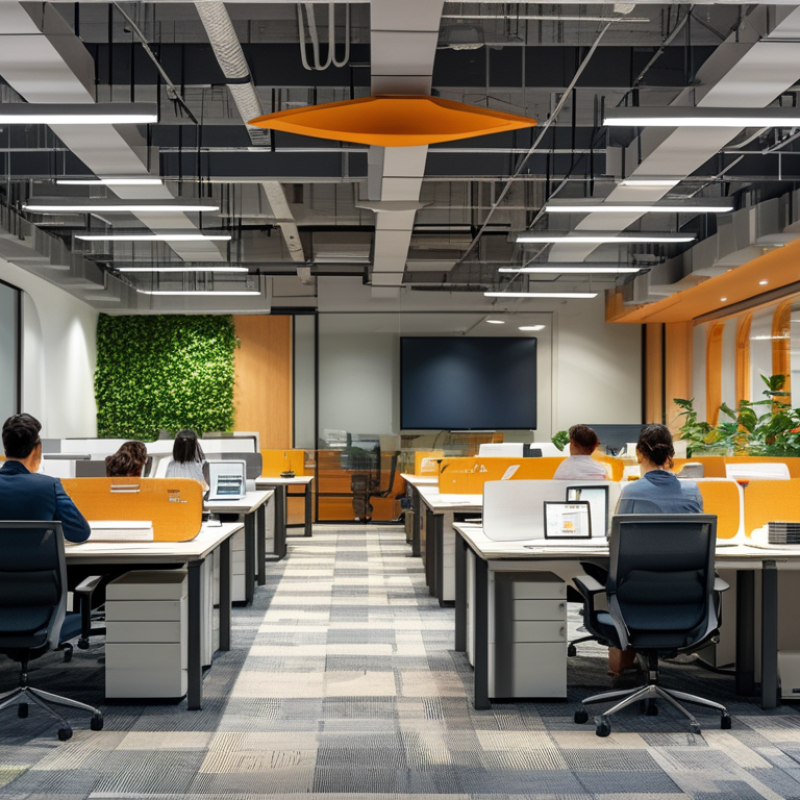
Top 10 Ways to Improve Acoustics in Offices Today?

Strategies for Optimizing Office Acoustics: An Overview

In today’s open office environments, optimizing acoustics is crucial. Poor sound management can lead to distractions and decreased productivity. According to a report by the World Health Organization, noise can reduce workplace performance by up to 66%. This emphasizes the need for effective strategies in managing sound levels.

One immediate approach is using sound-absorbing materials. Acoustic panels, carpets, and ceiling tiles can significantly reduce noise. Research shows that soft surfaces can decrease noise by up to 30%. Additionally, creating designated quiet areas allows employees a space for focused work. This separation is important, as studies indicate that noise can cause stress and hinder communication.

Another key strategy is the layout of furniture. Arranging workspaces to buffer sound can make a noticeable difference. For example, placing bookshelves or plants between desks can help absorb sound. However, this may not always be feasible, especially in smaller spaces. Thus, companies may need to balance aesthetics with acoustics, which can be challenging. Investing in proper tools and assessments leads to better sound management over time, ultimately enhancing workplace efficiency.

Understanding the Impact of Noise on Employee Productivity and Well-Being

Noise in offices can significantly affect employee productivity. Research indicates that ambient noise levels above 55 decibels can lower focus. A report by the World Health Organization states that excessive noise can lead to stress and reduced well-being. Employees exposed to high noise levels report feeling distracted and fatigued.

Office designs often overlook acoustics, leading to an uncomfortable work environment. When sound reverberates in open spaces, it can make conversations difficult. This impacts collaboration and communication among teams. One study found that 48% of employees identified noise as a barrier to productivity. Thoughtful acoustic treatments can mitigate this issue.

Implementing sound-absorbent materials and creating quiet zones can foster focus. Some experts recommend strategic layout changes to optimize sound distribution. Addressing noise is not just about comfort; it's crucial for enhancing job performance. By prioritizing acoustics, leaders can support a healthier work culture.

Acoustic Paneling: Effective Solutions for Sound Absorption in Workspaces

Acoustic paneling has emerged as an essential solution for improving sound absorption in office spaces. These panels can significantly reduce echo and background noise, enhancing overall productivity. They come in various materials, styles, and sizes, allowing businesses to choose options that fit their aesthetic and functional needs. When installed correctly, they can transform a noisy environment into a more focused workspace.

However, it’s important to recognize that not all acoustic panels are created equal. The effectiveness of sound absorption varies based on materials and placement. High-density foam panels can absorb a significant amount of sound, but they might not suit every environment. Sometimes, businesses overestimate their needs and overinvest in acoustic solutions without considering how they will integrate with existing design.

The placement of the panels is just as crucial. Many companies make the mistake of installing them only on the walls. Ceiling panels, for instance, can also play a critical role in sound management. Finding the right balance can be challenging. It requires thoughtful planning and a willingness to test and adjust according to the specific acoustic landscape of the office. Embracing a trial-and-error approach can lead to better customization of the acoustic environment.

Top 10 Ways to Improve Acoustics in Offices Today

Method Effectiveness (1-10) Cost Estimate (USD) Installation Time (hours)
Acoustic Panels 9 200 4
Carpets and Rugs 7 150 2
Soundproof Doors 8 300 3
Sealing Gaps 6 50 1
Ceiling Tiles 9 400 5
Wall Treatments 7 250 3
Furniture Arrangement 5 0 2
Acoustic Baffles 8 350 4
Sound Masking Systems 10 1500 6
Green Plants 6 100 1

The Role of Layout Design in Enhancing Office Acoustic Performance

The layout design of an office significantly impacts its acoustic performance. Open-plan offices may promote collaboration but often lead to noise distractions. Proper zoning can help mitigate this issue. For example, placing quieter zones away from high-traffic areas can drastically reduce unwanted noise. Sound-absorbing materials, such as wall panels, can be incorporated into the design, but their placement is crucial.

Consider the arrangement of workstations. Clusters of desks can be arranged to create barriers that block sound. This arrangement not only improves focus but also increases worker productivity. However, layouts are often a trade-off. Increasing privacy may disrupt team dynamics. It’s essential to strike a balance that suits the specific needs of your team.

Flexibility in layout design is also vital. Office needs change, and what worked last year may not suffice now. Regular evaluations of the space can reveal acoustic shortcomings. Small adjustments, like adding plants or adjusting furniture, can enhance the acoustic environment. Listening to employee feedback is essential; it provides insights that data alone may overlook.

Top 10 Ways to Improve Acoustics in Offices Today

This bar chart displays the effectiveness of various methods to enhance office acoustics, measured by percentage improvement in acoustic performance based on workplace surveys.

Implementing Technology: Smart Solutions for Reducing Office Noise Levels

In modern offices, noise can be a major distraction. Implementing smart technology offers practical solutions for reducing these disruptive sound levels. One effective approach is adopting noise-canceling systems. These devices filter out background sounds, creating a more focused work environment. Employees report increased productivity when they can control their acoustic surroundings.

Acoustic panels are another technological advancement. These panels can be strategically placed to absorb sound, minimizing echoes. They come in various designs, making it easy to blend with office decor. However, their effectiveness relies on proper placement and quantity, which might require some trial and error.

Smart lighting systems with sound dampening features also make a difference. They not only enhance office aesthetics but help in reducing noise transmission. Though these systems often come with high initial costs, their long-term benefits are significant.

Integrating technology to improve acoustics requires thoughtful consideration. It’s important to assess the unique needs of your workspace. The challenge lies in balancing aesthetics with acoustic performance. Not every solution works perfectly for every office, demanding ongoing evaluation.

FAQS

: How does noise impact productivity in offices?

: Noise levels above 55 decibels can lower focus and increase stress.

What effects does excessive noise have on employees?

Employees report feeling distracted, fatigued, and stressed due to high noise levels.

Why are acoustics often overlooked in office design?

Many office designs prioritize aesthetics over sound quality, leading to discomfort.

How do noise levels affect teamwork and communication?

High noise levels can hinder conversations, affecting collaboration among team members.

What are some effective solutions for managing office noise?

Sound-absorbent materials and creating quiet zones can help foster focus.

How can technology reduce office noise levels?

Noise-canceling systems and acoustic panels can filter background sounds and minimize echoes.

Why is proper placement of acoustic panels important?

Their effectiveness depends on proper placement and quantity, needing some trial and error.

Are smart lighting systems beneficial for noise control?

Yes, they can reduce noise transmission while enhancing office aesthetics.

What challenges come with integrating acoustic solutions?

Balancing aesthetics and performance requires ongoing evaluation and thoughtful consideration.

Can noise reducing solutions be costly?

Initial costs can be high, but long-term benefits often outweigh the investment.

Conclusion

In modern office environments, understanding how to improve acoustics in offices is crucial for fostering employee productivity and well-being. The impact of noise on work performance can be detrimental, highlighting the need for strategic acoustic enhancements. Effective solutions, such as acoustic paneling, can significantly reduce sound reflection, creating a more conducive workspace. Additionally, thoughtfully designed office layouts can further mitigate noise, allowing for designated quiet areas and collaboration zones.

Implementing smart technology solutions can complement these physical improvements by continuously monitoring and managing noise levels. By embracing these strategies, organizations can create a quieter, more efficient work atmosphere that benefits both employees and overall productivity.

Henry

Henry

Henry is a dedicated marketing professional with a profound expertise in the company's offerings. With years of experience in the industry, he possesses an impressive understanding of the market dynamics and consumer behaviors that drive success. Henry is committed to sharing his insights through......