How to Understand the Role of Acoustic Treatment in Spaces?

Time:2026-06-07 Author:Charlotte
0%

Acoustic treatment plays a vital role in enhancing sound quality in various environments. Many people wonder, "what is the role of acoustic treatment?" This question opens up an essential exploration of how acoustics influence our daily lives. Whether in concert halls, recording studios, or even in our homes, sound behaves uniquely based on room design and materials.

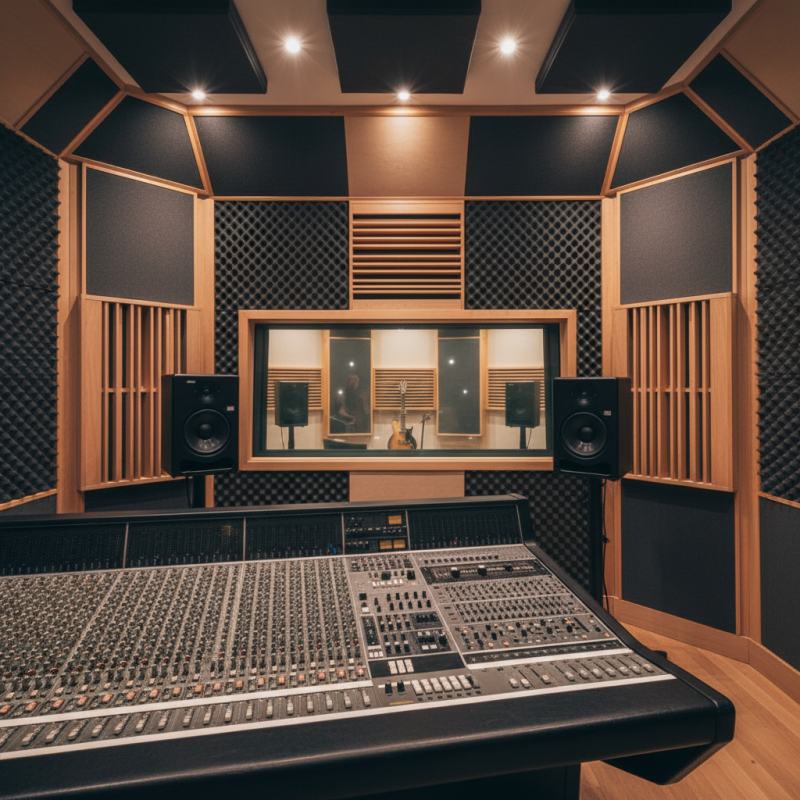
In professional settings, the clarity of sound is crucial. Poor acoustics can lead to echoes and distortion. These issues affect communication and overall experience. Acoustic treatment uses materials like foam panels, diffusers, and bass traps to manage sound waves. This treatment creates a balanced sound environment, allowing for accurate listening and sound reproduction.

However, achieving optimal acoustic treatment is not a one-size-fits-all approach. Each space presents unique challenges. Reflecting on the specific needs of a room can guide decisions. Some may overestimate the effectiveness of simple solutions. Comprehensive planning and expert input often yield the best results. Understanding the essence of acoustic treatment requires a blend of experience and professional advice.
How to Understand the Role of Acoustic Treatment in Spaces?

Understanding Acoustic Treatment: Definitions and Importance

Acoustic treatment plays a critical role in optimizing sound quality within various spaces. Understanding its significance starts with defining what acoustic treatment actually is. Simply put, it involves the use of materials designed to reduce distortion, reverberation, and echo. Effective treatment can enhance listening experiences in places like theaters and studios, boosting intelligibility and clarity.

A study by the Acoustical Society of America reveals that poorly treated spaces can result in sound loss up to 30% in terms of intelligibility. This data highlights the need for proper acoustic design. Inefficient acoustics can lead to listener fatigue and reduced concentration. Implementing appropriate treatments, such as absorptive panels or diffusers, can significantly improve these conditions.

However, challenges remain. Many professionals may overlook the balance between aesthetics and functionality. An untreated space might appear visually appealing but fail acoustically, leading to a compromised listening experience. Investing in acoustic treatment requires both expertise and a clear understanding of the space's needs. The journey to achieving optimal acoustics can be riddled with trial and error, demanding ongoing reflection and adjustment.

Different Types of Acoustic Treatment Materials and Their Uses

Acoustic treatment plays a vital role in enhancing sound quality in different spaces. Understanding the types of acoustic treatment materials can help you make informed choices. Common materials include foam panels, acoustic tiles, and bass traps. These materials absorb sound waves, reducing echoes and improving clarity. According to industry reports, properly treated spaces can reduce noise levels by up to 30%.

Foam panels are lightweight and easy to install. They’re effective for mid to high-frequency sound absorption. In contrast, acoustic tiles offer aesthetic options while providing sound dampening. Bass traps, often placed in corners, target low-frequency sounds. When selecting materials, consider the room’s purpose and sound requirements. Different spaces demand different solutions.

Tips for effective acoustic treatment:
- Assess the room’s acoustic needs carefully.
- Combine various materials for best results.
- Avoid over-treating; some sound reflection may enhance overall clarity.

Experimenting is key; not every material works perfectly for every room. A balance between absorption and reflection often yields the best outcome.

The Role of Soundproofing vs. Acoustic Treatment in Spaces

When considering spaces, acoustic treatment and soundproofing serve different purposes. Soundproofing aims to block sound from entering or leaving a room. This is critical in places like recording studios or private offices, where privacy and noise control are paramount. An effective soundproofing solution might involve heavy insulation or double-glazed windows.

On the other hand, acoustic treatment enhances sound quality within a space. It focuses on managing sound reflections, reducing echoes and reverberations. Acoustic panels and diffusers can help create a balanced sound environment. This is especially important in concert halls or home theaters, where clarity and richness in sound are desired.

Yet, finding the right balance between soundproofing and acoustic treatment can be challenging. Many people overlook the importance of acoustic treatment, focusing solely on soundproofing. This can lead to spaces that feel dull and lifeless. Reflecting on these aspects allows for better designs that enhance both comfort and functionality in various environments.

How to Understand the Role of Acoustic Treatment in Spaces? - The Role of Soundproofing vs. Acoustic Treatment in Spaces

Aspect Soundproofing Acoustic Treatment
Purpose Blocks sound from entering or leaving a space. Enhances audio quality by controlling sound reflections in a space.
Materials Used Mass-loaded vinyl, concrete, soundproof drywall. Acoustic panels, bass traps, diffusers.
Applications Recording studios, home theaters, office spaces. Concert halls, podcast studios, offices for better communication.
Cost Generally higher due to construction and materials. Varies based on materials but usually lower than soundproofing.
Effect on Noise Reduces noise penetration. Improves clarity and quality of sound within the space.

Factors to Consider When Implementing Acoustic Treatment

Acoustic treatment plays a crucial role in the overall quality of sound in any space. When planning for acoustic treatment, several factors must be considered to achieve an effective environment. The size and shape of the room greatly influence how sound behaves. Flat surfaces can create echoes and reverberations, while irregular shapes may help disperse sound waves better.

The materials used for acoustic treatment also matter significantly. Soft materials like carpets or acoustic panels absorb sound, reducing noise levels. In contrast, hard surfaces often reflect sound, creating undesirable echoes. It is essential to balance these materials based on the intended use of the space. A recording studio, for instance, may require much different treatment than a classroom.

Additionally, the purpose of the space must not be overlooked. A quiet workspace might prioritize sound absorption, while a concert hall focuses on sound projection. Choosing the right approach involves trial and error. Observing how sound behaves after implementing changes can provide insights. This reflection is vital for successful acoustic treatment. Remember, every space is unique, and there is no one-size-fits-all solution.

Best Practices for Designing Acoustic Treatment in Various Environments

Acoustic treatment plays a vital role in shaping sound quality across different environments. For instance, according to a report by the National Institute of Health, excessive noise levels in workspaces can decrease productivity by up to 66%. Therefore, understanding the specific acoustic needs of each space is essential for effective design.

In educational settings, proper acoustic treatment helps enhance learning. A study by the Acoustical Society of America found that classrooms with optimal sound levels improve student comprehension by 20%. Utilizing materials such as sound-absorbing panels and bass traps can significantly sway the auditory experience. Soft furnishings and strategic layout also assist in reducing echo and improving clarity.

In public spaces like auditoriums, the focus should be on balancing sound reflection and absorption. Insufficient treatment can lead to muddled audio, hindering performances. However, implementing the right design principles requires careful measurement and understanding of sound dynamics. It is crucial to remain flexible in design choices, as different events produce varying acoustic needs.

Overall, enhancing acoustic environments is an iterative process. It necessitates ongoing assessment and adjustments. Each space presents unique challenges. The pursuit of ideal sound quality is always evolving.

Understanding the Role of Acoustic Treatment in Spaces

This chart illustrates the effectiveness of acoustic treatment across various environments. The scores range from 1 to 10, indicating how significantly acoustic treatment can improve sound quality and reduce noise levels in different spaces.

FAQS

: What is acoustic treatment?

: Acoustic treatment involves using special materials to reduce distortion, reverberation, and echo in a space.

Why is acoustic treatment important?

It enhances sound quality, improving intelligibility and clarity in areas like theaters and studios.

What are common acoustic treatment materials?

Foam panels, acoustic tiles, and bass traps are popular choices for reducing sound issues.

How do foam panels help in acoustic treatment?

They are lightweight, easy to install, and effective at absorbing mid to high-frequency sounds.

What is the difference between acoustic treatment and soundproofing?

Soundproofing blocks sound from entering or leaving, while acoustic treatment manages sound reflections within a space.

How can I determine my room's acoustic needs?

Assess the room's purpose and sound requirements, then select appropriate materials for treatment.

Can you over-treat a room?

Yes, too much treatment can lead to dull sound; some reflection may enhance clarity.

How can I achieve the best results with acoustic treatment?

Combine various materials and experiment, as not every solution works in every room.

What could compromise my acoustic treatment efforts?

Ignoring the balance between aesthetics and functionality may lead to a less effective listening environment.

What challenges might arise during the acoustic treatment process?

The journey often involves trial and error, requiring ongoing reflection and adjustments to achieve optimal results.

Conclusion

Acoustic treatment plays a crucial role in enhancing the sound quality within various environments. Understanding what is the role of acoustic treatment involves recognizing its importance in managing sound reflection, absorption, and diffusion in a space. Different types of acoustic treatment materials serve specific purposes, such as soundproofing to prevent external noise intrusion and acoustic panels to enhance audio clarity.

When implementing acoustic treatment, several factors must be considered, including the type of activities taking place in the space, the existing acoustics, and the desired sound characteristics. Best practices for designing acoustic treatment vary across environments, whether it be in recording studios, theaters, or open office spaces. Ultimately, effective acoustic treatment fosters a more pleasant auditory experience, improving communication and reducing distractions in any setting.

Charlotte

Charlotte

Charlotte is a seasoned marketing professional with a deep understanding of the company's portfolio and a passion for elevating its presence in the market. With a keen eye for detail and a commitment to excellence, she ensures that our professional blog is regularly updated with insightful articles......