Understanding the nuances in acoustics is vital. Experts often discuss the question: "what is the difference between soundproofing and sound absorption?" Renowned acoustician Dr. Emily Carter states, "Soundproofing blocks sound. Sound absorption reduces room reflections."
Soundproofing involves creating barriers to block sound from entering or leaving a space. This requires dense materials, like soundproof drywall or insulation. On the other hand, sound absorption deals with how sound waves interact within a room. This is achieved using softer materials, such as acoustic panels or curtains, which minimize echo.
The confusion between these terms can be problematic. Misunderstanding can lead to inadequate solutions for noise issues. For instance, a person might install sound-absorbing panels, hoping to block external noise. However, they may not realize that these panels merely lessen the sound within the room. Addressing this misunderstanding is key in designing spaces that meet users' acoustical needs effectively.
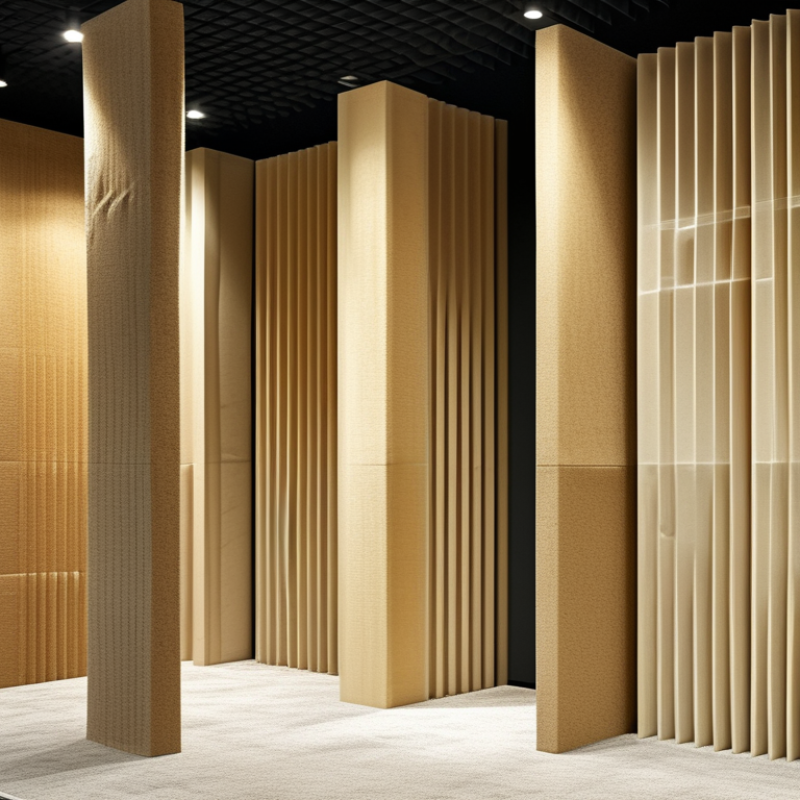
Soundproofing and sound absorption serve different purposes in managing sound. Soundproofing blocks sound from entering or leaving a space. It's ideal for recording studios or apartments near busy streets. Sound absorption, on the other hand, reduces echoes within a room. This is particularly crucial for spaces like classrooms or theaters, where clarity is essential.
According to a report by the Acoustic Society, up to 70% of sound can be absorbed using the right materials. This includes acoustic panels and foam. These materials trap sound waves and decrease reflected noise. Yet, many overlook the importance of these solutions. They often focus only on preventing sound leakage.
Tip: Place bookshelves against shared walls. This can enhance sound insulation without expensive improvements. Also, hanging thick curtains can absorb sound. Consider using rugs on hardwood floors to minimize echo. Even small adjustments can significantly alter sound quality in a room.
The distinction between these concepts can be confusing. It's easy to assume that both terms mean the same. But soundproofing and sound absorption tackle sound management from different angles. Improving your space might require a combination of both techniques. This is a common misstep that many make, not addressing their unique acoustic needs.
Understanding soundproofing and sound absorption is vital for creating a comfortable environment. Soundproofing materials block sound from entering or exiting a space. This is useful for home theaters or recording studios. Common soundproofing options include dense materials like concrete or specially designed panels.
On the other hand, sound absorption refers to materials that reduce echoes and reverberations within a space. These materials don't prevent sound from entering or leaving but manage how sound behaves indoors. Acoustic foam and carpets are popular choices for sound absorption. They help improve audio quality by mitigating lingering sounds.
Tip: When choosing materials, consider your specific needs. If you want privacy, soundproofing is essential. If you’re seeking better acoustics, prioritize absorption. Regularly evaluate the effectiveness of your choices. You may find that what works today might not suffice in the future. Monitoring and adapting your sound treatment ensures an optimal environment.
When considering soundproofing solutions, it’s essential to focus on the specific applications and their effectiveness. According to the Acoustical Society of America, up to 70% of noise complaints in urban areas stem from external sources. This highlights the need for effective soundproofing measures, especially in residential and commercial buildings. Soundproofing materials, like dense mass and resilient channels, can significantly reduce noise transmission. In office settings, soundproofing can improve productivity by minimizing distractions.
In spaces like recording studios, sound absorption also plays a crucial role. It helps to control reverberation and improve audio quality. The National Institute of Building Sciences reports that using sound-absorbing panels can reduce echo by up to 90%. This is vital for performers and speakers who rely on clear sound. Mixing the two approaches—soundproofing for isolation and sound absorption for clarity—can yield the best results.
However, the effectiveness of these solutions often varies based on installation quality and environmental factors. Improper installation can lead to acoustic leaks, compromising the desired outcomes. Understanding these nuances is crucial for anyone considering soundproofing options. In the end, a tailored approach based on individual needs and application types leads to optimal sound management. The challenge remains to select high-quality solutions that truly address the unique noise issues of each space.
| Category | Definition | Applications | Materials Used |
|---|---|---|---|
| Soundproofing | A method to prevent sound from entering or leaving a space. | Recording studios, home theaters, industrial facilities | Mass-loaded vinyl, soundproof drywall, acoustic foam |
| Sound Absorption | A technique to reduce echo and reverberation within a space. | Concert halls, theaters, open offices | Acoustic panels, carpets, curtains |
| Key Difference | Soundproofing blocks sound; sound absorption reduces sound reflections. | ||
Effective sound absorption is crucial in various environments, from offices to concert halls. Studies show that up to 70% of sound can be absorbed by the right materials. In open spaces, minimizing echo improves clarity. Carpets, acoustic panels, and curtains can significantly reduce reverberation. Many experts recommend using a combination of these materials for optimal results.
In some settings, such as recording studios, precision is key. Even a small imbalance in absorption can impact sound quality. Data indicates that porous materials, like foam and fiberglass, are more effective in absorbing mid to high frequencies. These materials help create a balanced acoustic environment. However, achieving ideal sound absorption requires understanding space layout and surface materials.
Reflecting on these factors is essential. Many environments still lack effective sound solutions. Poor absorption can lead to uncomfortable spaces. Noise pollution disrupts concentration in offices and affects productivity. Identifying areas of improvement in sound absorption remains a challenge for many professionals.
When discussing soundproofing and sound absorption, many people often confuse the two. Soundproofing involves blocking sound from entering or leaving a space. It’s often achieved through heavy materials like walls or specialized barriers. On the other hand, sound absorption reduces echo and reverberation within a room. This is typically done using soft materials like acoustic panels or carpets.
One common misconception is that soundproofing and sound absorption serve the same purpose. While both techniques improve acoustics, their applications are different. Soundproofing is crucial in environments like recording studios and offices to keep outside noise at bay. Sound absorption, however, is more beneficial in spaces where clarity of sound is essential, like concert halls or home theaters.
Tips: When choosing soundproofing materials, consider density and weight. Heavier materials provide better sound barriers. In contrast, for sound absorption, focus on texture and surface area. Soft and porous materials work best to absorb sound effectively. Be mindful of not overdoing sound absorption, as it may lead to a dead space feeling. Striking a balance is key for an enjoyable acoustic environment.
This chart illustrates the common misconceptions regarding soundproofing and sound absorption. The data presents the percentage of common responses related to each category from a survey. Soundproofing aims to block sound from entering or exiting a space, while sound absorption focuses on reducing echo and reverb within a room.
: Soundproofing blocks sound from entering or leaving a space. Sound absorption reduces echoes within a room.
The right materials can absorb up to 70% of sound. Acoustic panels and foam are popular options.
Place bookshelves against shared walls. Thick curtains and rugs also help minimize sound reflections.
Many overlook sound absorption, focusing only on soundproofing. Both approaches improve overall sound quality.
Assess your specific needs. Dense materials work for privacy, while lighter options aid sound clarity.
Poor installation can lead to leaks. This compromises sound management and requires reevaluation of solutions.
Yes, reducing distractions through soundproofing can improve focus and overall work productivity.
Regular evaluation is crucial. What works now may not be effective later due to changing conditions.
The article "2026 How to Understand the Difference Between Soundproofing and Sound Absorption" explores the essential concepts surrounding soundproofing and sound absorption. It begins by defining these terms and laying the groundwork for understanding their fundamental differences. The key contrast lies in their functions: soundproofing aims to prevent sound from entering or leaving a space, while sound absorption focuses on reducing echo and reverberation within a room. The article further highlights the various materials used for each purpose and their specific applications in different environments, such as homes, studios, and offices.
Additionally, the article addresses effective techniques for sound absorption in various settings and debunks common misconceptions surrounding these concepts. By clarifying what is the difference between soundproofing and sound absorption, readers gain valuable insights into how to choose the right solution for their sound management needs. Overall, this comprehensive overview equips individuals with the knowledge necessary to approach sound issues effectively.

Dubuild Panel