Explore our cutting-edge soundproof architectural elements, featuring engineered polymers, eco-friendly composites, and ultra-high STC options.

An in-depth structural analysis of sound abatement engineering, international regulatory shifts, and Chinese supply chain advantages.
Across contemporary industrial, commercial, and multi-family residential developments, acoustical performance has shifted from a tertiary comfort metric to a foundational regulatory mandate. Dense urbanization and the vertical integration of mixed-use buildings demand rigorous compliance with international standards such as **ASTM E90** (standard test method for laboratory measurement of airborne sound transmission loss of building partitions) and **ISO 10140**. High STC (Sound Transmission Class) ratings are no longer exclusive to recording studios; they are critically integrated into corporate boardrooms, high-tech server rooms, hospitals, and five-star hospitality projects worldwide.
An acoustic door assembly is the most critical dynamic barrier in any building envelope. If the seal fails or if the core density is insufficient, the entire partition's acoustic integrity collapses. Therefore, designing structural soundproof barriers requires complex thermodynamic and acoustic engineering, matching optimized composite materials with precision perimeter gasketing.
"Information Gain Indicator: Standard doors provide an STC of only 15–20 dB. Engineered acoustic door systems, when integrated with drop-down automatic seals and multi-layered mineral cores, push transmission losses past 50 dB—representing a 99.9% reduction in perceived sound energy."
A common point of confusion for specifiers is the distinction between sound barrier performance (STC) and sound absorption performance (NRC). While walls and doors require high **STC (or Rw)** ratings to block sound from traveling between rooms, interior surfaces must employ high **NRC** materials—such as PET felt, micro-perforated steel, or engineered MDF slat panels—to minimize echo and control reverberation time within a space.
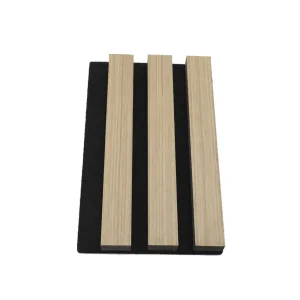
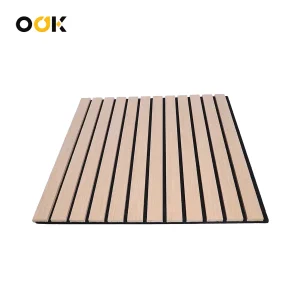
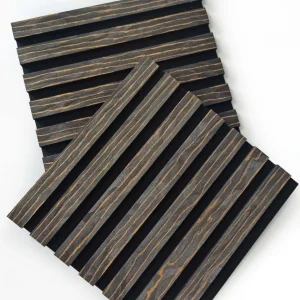
By coordinating high-STC soundproof doors with sound-absorbing wall claddings (such as Dubuild's *Akupanel 3D Slat Panels*), architects achieve a holistic acoustical envelope. This balanced ecosystem prevents internal sound reflection while establishing absolute privacy against flanking transmission routes.
China, and specifically the Pearl River Delta industrial cluster centering in Dongguan, has emerged as the definitive global powerhouse for acoustic building components. China's manufacturing superiority is not merely rooted in scale, but in comprehensive supply chain integration, digital processing technologies, and rapid-prototyping efficiency.
At factories like **Dongguan Dubuild Panel Co., Ltd.**, raw material procurement, state-of-the-art CNC precision routing, eco-friendly polyester fiber extrusion, and testing chambers are co-located. This physical consolidation enables bespoke customization of dimensions, veneers, and core compositions at lead times and price points that Western manufacturers cannot match.
The environmental footprint of building materials is under intense scrutiny. The demand for non-toxic, recyclable, and zero-waste acoustic panels is skyrocketing. Modern products leverage recycled Polyethylene Terephthalate (PET) bottles, converting post-consumer plastic into high-efficiency acoustic felt.
Furthermore, the integration of Wood Plastic Composites (WPC) and FSC-certified timber substrates ensures that interior fit-outs can confidently qualify for **LEED** and **BREEAM** credits. This alignment of robust structural properties with circular-economy principles represents the cutting edge of global architectural trends.
Meet Dongguan Dubuild Panel Co., Ltd. – a specialized powerhouse of architectural noise control systems.
Dongguan Dubuild Panel Co., Ltd. is a professional Acoustic Wall Panel Manufacturer specializing in the design, development, and production of high-performance soundproof panels and noise control solutions for global markets.
With its manufacturing base located in the dynamic industrial hub of Dongguan, China, Dubuild Panel integrates advanced production technology, strict quality control, and innovative acoustic engineering to deliver products that meet diverse architectural and environmental needs.
The company’s core product portfolio includes a wide range of acoustic wall panels, sound-absorbing boards, and noise-reduction systems tailored for commercial, residential, hospitality, and institutional applications. These solutions are engineered to improve interior sound quality by minimizing echo, reducing noise transmission, and enhancing acoustic comfort in spaces such as offices, studios, auditoriums, conference rooms, and public venues.
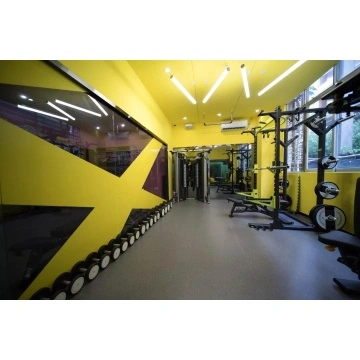
Committed to excellence, Dubuild Panel emphasizes customization and performance, offering clients flexible design options, material selections, and finishes that align with both functional and aesthetic requirements. With a focus on sustainability, the company utilizes environmentally responsible materials and adheres to international standards throughout its manufacturing process.
Through its dedication to innovation, quality, and customer satisfaction, Dongguan Dubuild Panel Co., Ltd. has established a reputation as a reliable partner for architects, designers, and acoustic professionals seeking effective noise control and superior acoustic solutions.
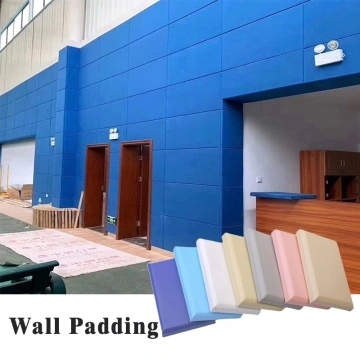
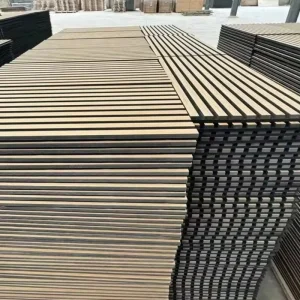
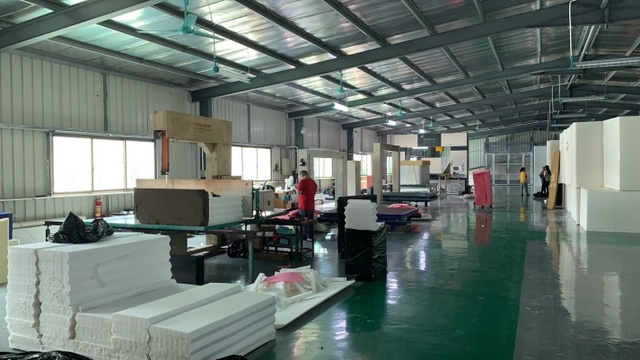
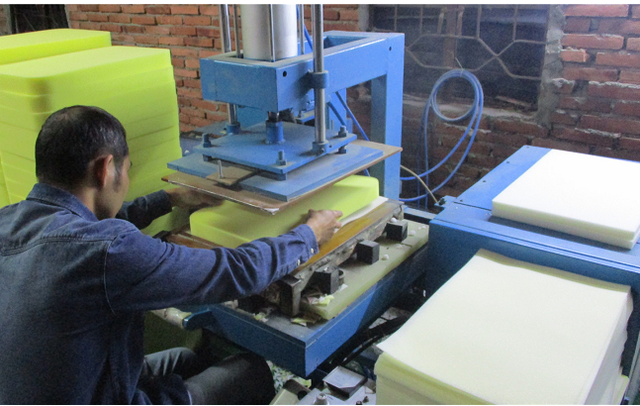
We maintain rigorous standard operating procedures from design validation to packing and dispatch. Here is an authentic preview inside our facilities and material structures.

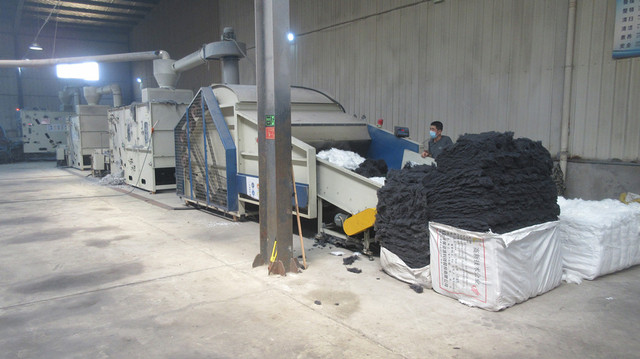
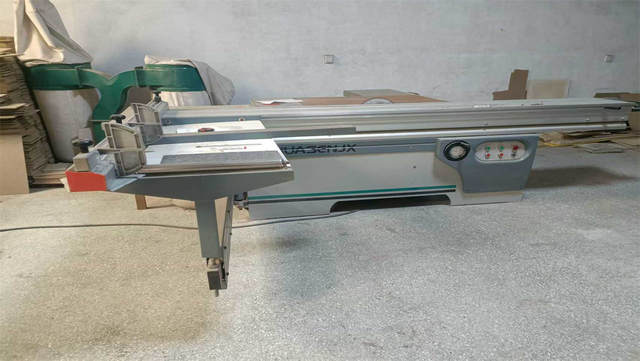
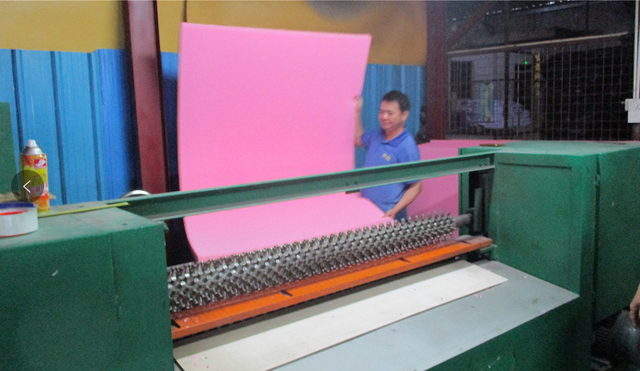
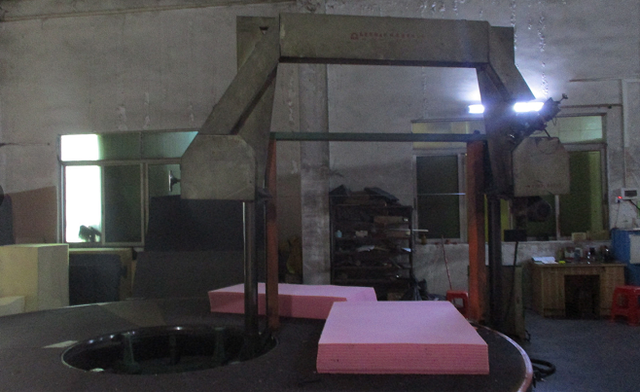
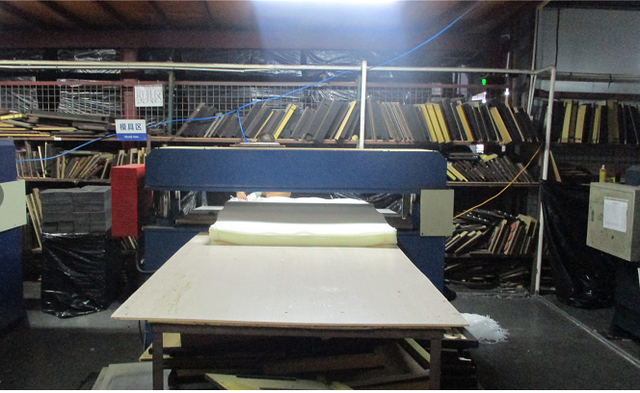
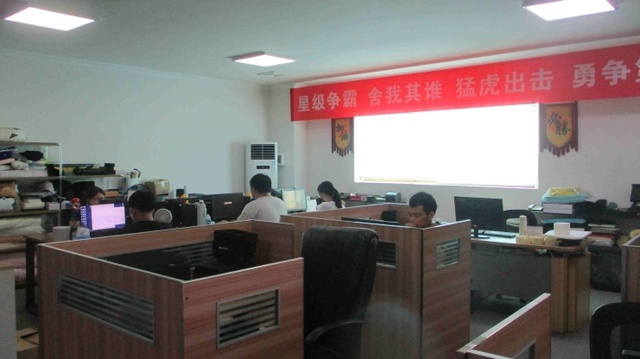
Providing high-efficiency acoustic isolation across high-spec commercial and public buildings worldwide.
Achieve complete background silence and flawless vocal isolation. Combining high-STC sound isolation doors with rockwool or foam wall panels prevents dynamic audio bleeding.
Ensure ultimate commercial privacy and secure conversations. Minimizing echo with PET felt panels and blocking hallway noise with structural composite doors maximizes productivity.
Comply with crucial HIPAA guidelines and patient confidentiality laws. Sealed soundproof entrance zones ensure quiet recovery wards and completely private consultation spaces.
Our lead engineers resolve standard industry queries regarding soundproofing standards, customization, and deployment.
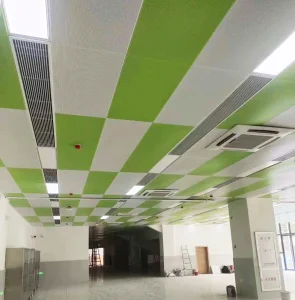
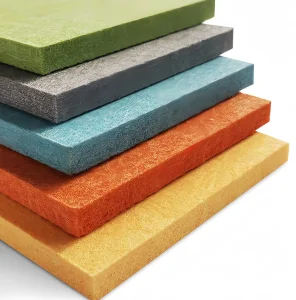
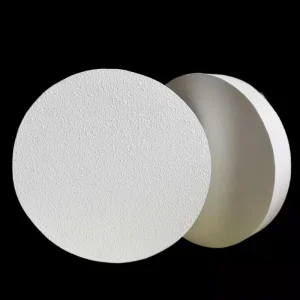
Complete the structural soundproofing perimeter with matching environmental ceiling tiles, metal hangers, and stock panels.
 Dubuild Panel