Explore engineered sound absorption and diffusion systems compliant with global ISO 354, ASTM E84 Class A, and EN 13501-1 standards.


In modern commercial architecture and urban infrastructure, managing acoustic physics is no longer an afterthought—it is an indispensable engineering requirement. Modern building standards, such as LEED v4, WELL Building Standard v2, and ISO 3382 acoustic comfort criteria, mandate strict reverberation time (RT60) controls and sound transmission class (STC) ratings. As a result, the global acoustic panel market has shifted from basic sound isolation materials toward high-performance composite soundproofing systems, micro-perforated wooden diffusers, non-toxic recycled PET substrates, and modular architectural baffles.
Architects, general contractors, and acoustics consultants globally are seeking manufacturing partners capable of balancing aesthetic versatility with verifiable technical performance. China has emerged as the premier global manufacturing hub for high-performance acoustic materials, offering an unmatched combination of raw material availability, advanced multi-axis CNC routing, automated hot-melt flame-retardant lamination, and rigorous quality assurance.
Noise Reduction Coefficient (NRC) quantifies sound absorption efficiency. Modern engineered acoustic panels utilize micro-porous structures and fibrous dissipation mechanisms to convert sound wave kinetic energy into thermal micro-energy across 125Hz to 4000Hz frequency spectra.
Commercial deployments demand strict fire performance. Premium Chinese suppliers engineer fire-retardant treatments directly into polyester fibers and core mineral substrates, achieving ASTM E84 Class A and EN 13501-1 B-s1,d0 certifications.
Leading suppliers utilize 100% post-consumer recycled PET bottles and formaldehyde-free resin systems, complying with TVOC emission protocols under GreenGuard Gold and ISO 16000 environmental guidelines.
Dongguan Dubuild Panel Co., Ltd. is a professional Acoustic Wall Panel Manufacturer specializing in the design, development, and production of high-performance soundproof panels and noise control solutions for global markets. With its manufacturing base located in the dynamic industrial hub of Dongguan, China, Dubuild Panel integrates advanced production technology, strict quality control, and innovative acoustic engineering to deliver products that meet diverse architectural and environmental needs.
The company’s core product portfolio includes a wide range of acoustic wall panels, sound-absorbing boards, and noise-reduction systems tailored for commercial, residential, hospitality, and institutional applications. These solutions are engineered to improve interior sound quality by minimizing echo, reducing noise transmission, and enhancing acoustic comfort in spaces such as offices, studios, auditoriums, conference rooms, and public venues.
Committed to excellence, Dubuild Panel emphasizes customization and performance, offering clients flexible design options, material selections, and finishes that align with both functional and aesthetic requirements. With a focus on sustainability, the company utilizes environmentally responsible materials and adheres to international standards throughout its manufacturing process.
Through its dedication to innovation, quality, and customer satisfaction, Dongguan Dubuild Panel Co., Ltd. has established a reputation as a reliable partner for architects, designers, and acoustic professionals seeking effective noise control and superior acoustic solutions.
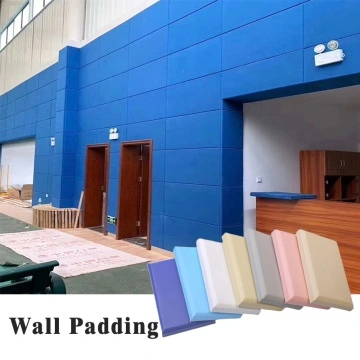

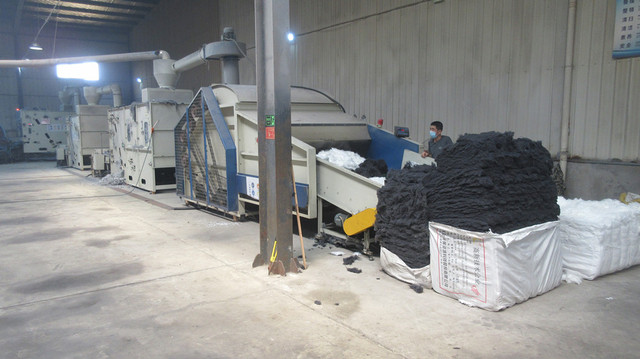
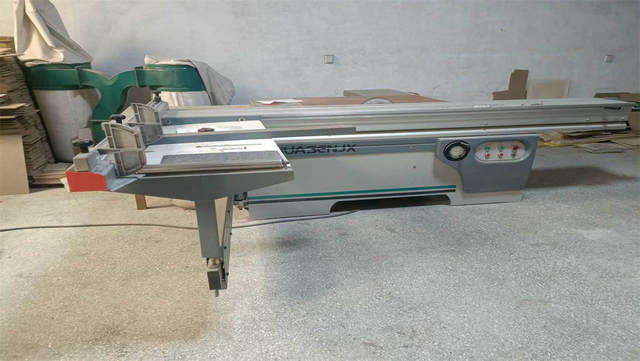
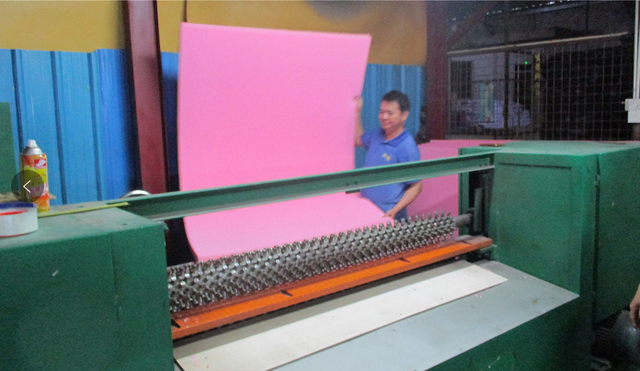
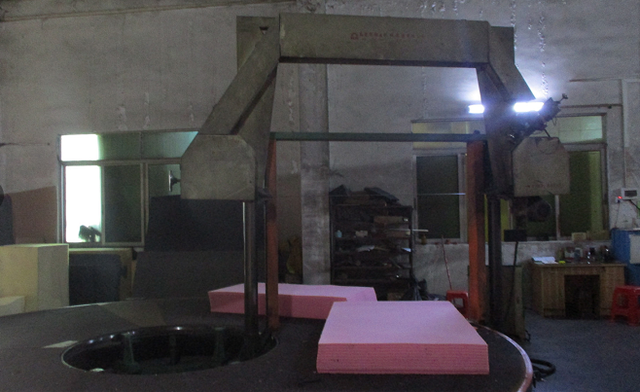
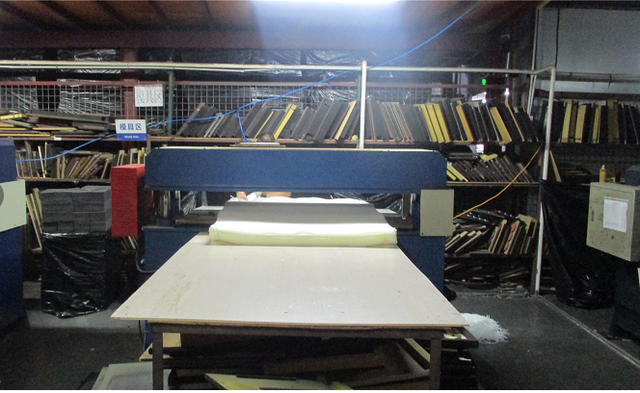
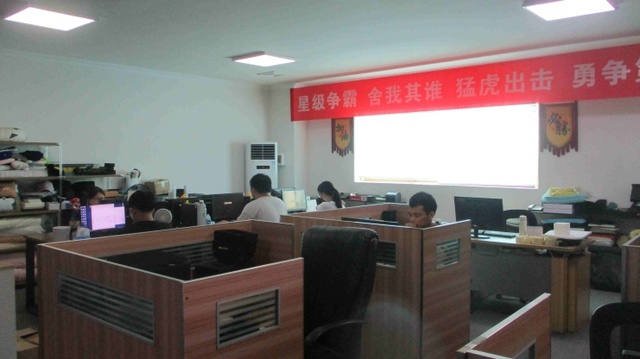
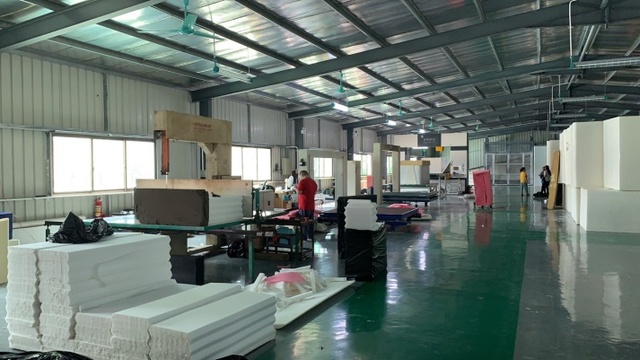
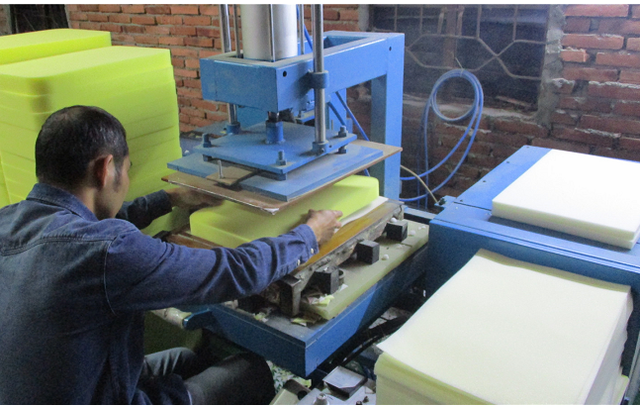
The Chinese acoustic manufacturing ecosystem, centered in industrial powerhouses like Dongguan and Guangdong province, provides unparalleled advantages for global architectural projects. Modern acoustic panel fabrication requires a convergence of chemical synthesis (polyester fibers, PU foams), mechanical tooling (precision CNC micro-perforation, V-grooving), and metallurgical engineering (aluminum honeycomb cores).
High-speed multi-spindle CNC systems create precise micro-perforations (down to 0.5mm diameter) in wood veneer and metal skins. This achieves optimal Helmholtz resonance without sacrificing visual surface integrity.
Direct local integration with fiber extrusion mills, honeycomb core fabricators, and specialized acoustic felt producers allows Chinese factories to maintain short lead times and withstand global supply shocks.
Top-tier factories feature in-house reverberation room testing, impedence tube measuring systems, tensile stress testing, and environmental aging chambers to verify compliance before shipment.
Different architectural spaces demand distinct acoustic remedies. Selecting the proper acoustic panel substrate and installation mechanism is critical to achieving target speech intelligibility index (STI) and sound attenuation.
Acoustic Challenge: High background noise, flutter echoes, lack of speech privacy, and phone call interference in open floor plans.
Recommended Solution: Freestanding fabric-wrapped polyester screens, movable louver partitions, and ceiling-hung acoustic clouds (NRC ≥ 0.85). These systems block direct sound paths while absorbing ambient speech reflections without requiring structural wall alterations.
Acoustic Challenge: Uncontrolled reverberation times, standing sound waves, low-frequency room modes, and sound distortion.
Recommended Solution: A balanced combination of sound absorption and diffusion. High-density 3D wooden acoustic diffusers scatter sound reflections evenly across the room, while perforated WPC panels and dense wool/mineral core panels absorb excessive bass energy.
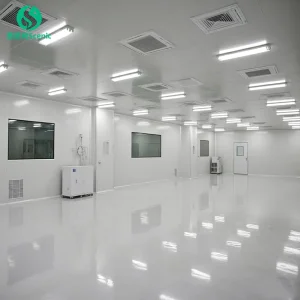
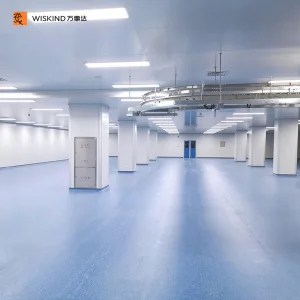
Acoustic Challenge: Strict hygiene, air tightness, chemical resistance, and particle release limits combined with heavy equipment noise.
Recommended Solution: Non-shedding Rockwool or EPS sandwich cleanroom panels enclosed in continuous stainless steel or anti-static coated aluminum skins. Compliant with ISO 14644 cleanroom cleanliness levels.
Acoustic Challenge: Flexible room segmentation requiring maximum sound isolation between active event spaces.
Recommended Solution: Heavy-duty mobile folding wall partitions equipped with top/bottom mechanical acoustic seals, achieving inter-room acoustic insulation ratings up to STC 52.
Comprehensive physical and acoustic properties benchmark for global procurement engineers.
| Panel Category | Primary Substrate | NRC Range | Fire Rating | Density Range | Key Advantage |
|---|---|---|---|---|---|
| PET Fiber Acoustic Panels | 100% Recycled PET Fiber | 0.75 - 0.90 | ASTM E84 Class A / EN 13501 B-s1,d0 | 1.3 kg/m² - 4.0 kg/m² | Eco-friendly, lightweight, high impact resistance, easy custom cut |
| Aluminum Honeycomb Panels | 3003/5052 Aluminum Alloy | 0.65 - 0.85 (Perforated) | Non-combustible (Class A1) | 5.5 kg/m² - 8.2 kg/m² | Ultra-rigid, lightweight structural strength, anti-corrosion, large format |
| Perforated Wood & WPC Panels | MDF / WPC Composite Core | 0.60 - 0.85 | B1 / Class B Flame Retardant | 800 kg/m³ - 950 kg/m³ | Natural timber aesthetics, excellent structural stability, durable |
| Fabric Wrapped Panels | Fiberglass / Glasswool Core | 0.85 - 0.95 | ASTM E84 Class A | 48 kg/m³ - 96 kg/m³ | Maximum broadband sound absorption, luxury interior finish options |
| Cleanroom Sandwich Panels | Rockwool / EPS / PU Core | 0.50 - 0.75 | Class A Non-combustible (Rockwool) | 100 kg/m³ - 120 kg/m³ (Core) | Aseptic, air-tight seal, thermal insulation, structural wall system |
Addressing key technical, logistical, and customization queries from international buyers.
Sound Absorption (NRC) measures a material's ability to prevent sound waves from reflecting back into the same room, reducing echo and reverberation. Sound Isolation (STC) measures a structural wall or partition's ability to prevent sound transmission from passing between two adjacent rooms. High-performance projects typically combine both: absorptive wall panels inside the space and high-STC isolated partitions between rooms.
Leading suppliers like Dongguan Dubuild Panel Co., Ltd. integrate flame-retardant additives directly into raw materials (e.g., FR-treated polyester fibers or non-combustible mineral wool/aluminum cores). Finished panels undergo rigorous testing at accredited third-party laboratories (SGS, TUV, Intertek) to earn certified ASTM E84 Class A (US) and EN 13501-1 B-s1,d0 / A1 (EU) test reports.
Yes. China's advanced OEM/ODM factories utilize custom CNC tooling, digital CAD/CAM plotting, and vacuum lamination. Clients can specify exact dimensions, bevel edges, 3D geometric line patterns, digital UV printing, and specialized acoustic fabrics tailored to precise interior design color schemes.
To prevent corner damage, surface abrasion, and humidity exposure during long transit times, acoustic panels are wrapped in PE protective film, reinforced with high-density foam edge guards, enclosed in heavy-duty 5-ply corrugated export cartons, and securely fumigated on wooden or plastic pallets with shrink-wrap banding.
Specialized commercial noise reduction, audio hardware, modular aluminum partition, and industrial cleanroom panel solutions.


 Dubuild Panel