Architectural sound absorption and environmental diffusion modules engineered to strict acoustic profiles.
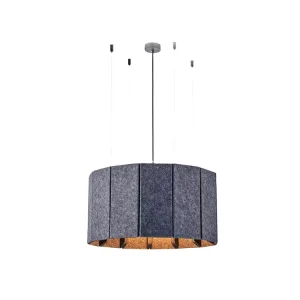
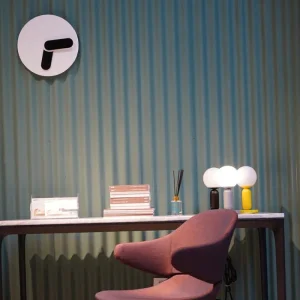
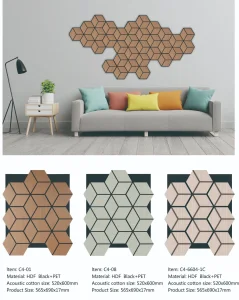
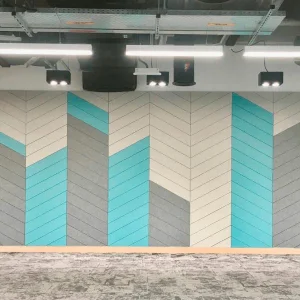
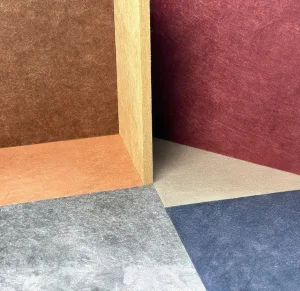
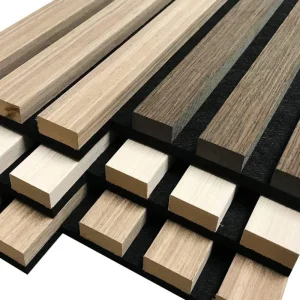
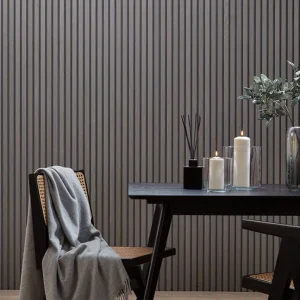
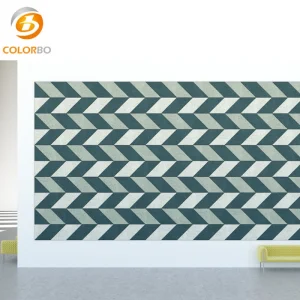
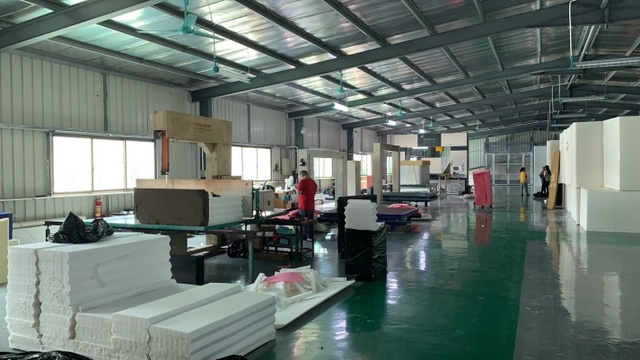
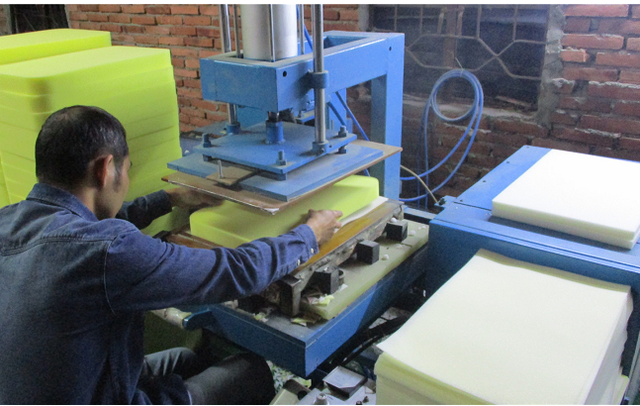
Dongguan Dubuild Panel Co., Ltd. is a professional Acoustic Wall Panel Manufacturer specializing in the design, development, and production of high-performance soundproof panels and noise control solutions for global markets. With its manufacturing base located in the dynamic industrial hub of Dongguan, China, Dubuild Panel integrates advanced production technology, strict quality control, and innovative acoustic engineering to deliver products that meet diverse architectural and environmental needs.
The company’s core product portfolio includes a wide range of acoustic wall panels, sound-absorbing boards, and noise-reduction systems tailored for commercial, residential, hospitality, and institutional applications. These solutions are engineered to improve interior sound quality by minimizing echo, reducing noise transmission, and enhancing acoustic comfort in spaces such as offices, studios, auditoriums, conference rooms, and public venues.
Committed to excellence, Dubuild Panel emphasizes customization and performance, offering clients flexible design options, material selections, and finishes that align with both functional and aesthetic requirements. With a focus on sustainability, the company utilizes environmentally responsible materials and adheres to international standards throughout its manufacturing process.
Through its dedication to innovation, quality, and customer satisfaction, Dongguan Dubuild Panel Co., Ltd. has established a reputation as a reliable partner for architects, designers, and acoustic professionals seeking effective noise control and superior acoustic solutions. By bridging the gap between heavy-duty physical weatherproofing and state-of-the-art sound abatement, Dubuild delivers critical solutions that withstand wind, moisture, and ultraviolet degradation without sacrificing sound absorption efficiency.
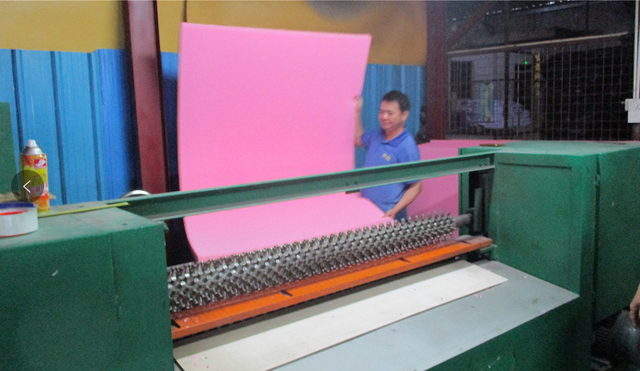
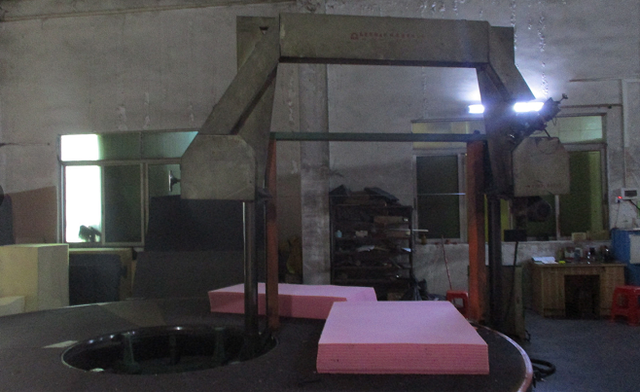
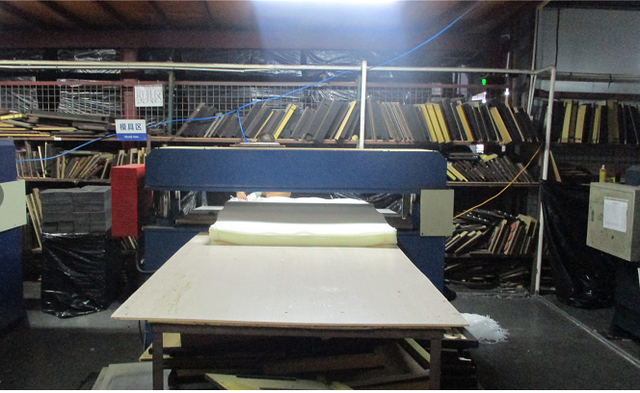
Our production lines feature advanced precision profiling machinery that ensures strict dimensional tolerance. This structural stability is essential when designing integrated modular acoustic skins for outdoor substations, HVAC enclosures, building envelopes, and mass transit noise barriers.

The convergence of architectural design, environmental regulations, and material durability is driving rapid developments in external acoustic control systems.
Traditional interior panels quickly degrade when exposed to outdoor moisture, UV rays, and temperature swings. The industry is transitioning toward hydrophobic coatings, closed-cell materials, and non-biodegradable polymers that resist fungal growth while maintaining high noise absorption coefficients.
Environmental sustainability mandates require the integration of recycled materials into civil infrastructure. Modern outdoor acoustic baffles and highway barriers utilize post-consumer recycled PET (polyethylene terephthalate) and sustainably sourced wood fibers, meeting green building standards like LEED and BREEAM.
Rather than installing acoustic treatments as secondary layers, modern architectural trends lean toward load-bearing, pre-engineered structural acoustic cladding panels. This reduces assembly times, saves costs, and improves structural integrity in high-wind zones.
B2B procurement agents and engineering consultants require technical compliance, reliability, and traceabilty when evaluating acoustic panel suppliers.
Purchasing outdoor acoustic systems involves navigating complex regulatory codes, environmental certifications, and supply chain logistics. At Dongguan Dubuild Panel Co., Ltd., we customize our manufacturing pipeline to address these requirements:
Global projects demand acoustic verification under ASTMC423, ISO 354, or EN 1793 standards. Our panels are tested for Noise Reduction Coefficient (NRC) and Sound Transmission Class (STC) in accredited laboratory chambers to ensure that the sound barrier meets project specifications.
Outdoor structures often fall under local fire code regulations. We supply fire-retardant panels certified to ASTM E84 (Class A) and EN 13501-1 (Class B-s1, d0), utilizing halogen-free compounds to prevent the spread of flames while minimizing smoke density.
Outdoor environments degrade lower-quality acoustic materials. Our sourcing team uses UV-stabilized polymers, heavy-duty anti-corrosive metals, and advanced water-shedding surface geometries to prevent water accumulation, guaranteeing long-term outdoor performance.
Addressing large-scale civic, industrial, and commercial noise abatement projects with custom-engineered acoustic barriers.
Large-scale outdoor HVAC systems, cooling towers, electrical substations, and water pump installations generate persistent low-to-mid-frequency noise that disrupts nearby communities. In response, municipalities require compliance with local noise ordinances.
Dubuild's customizable sound attenuation modules are designed specifically for industrial plant applications. These configurations integrate structural metal framing with perforated metal skins and high-density, weather-resistant core layers, maintaining air circulation while achieving sound reduction index levels of up to 35 dB.
High-speed highways, rail corridors, and light transit lines near residential zones present complex outdoor noise-control challenges. Constant wheel-rail contact and combustion engines require durable, high-impact acoustic barriers.
Our infrastructure acoustic panels feature double-sided noise-absorption configurations. They are engineered to endure heavy wind loads, debris impacts, and sub-zero temperatures. The internal core uses thermally bonded PET fibers, preventing chemical leaching and ensuring environmental safety.
From initial design draft and physical prototyping to acoustic validation and containerized ocean shipping.
Our acoustic engineers convert client CAD drawings, Revit files, and BIM models into production templates, adjusting material densities and surface configurations to achieve the target acoustic profile.
Select your custom wood veneer, fire-retardant polyester backing, specialized thickness (9mm, 12mm, 15mm, 18mm, 24mm), or custom powder-coated finishes to match project aesthetic goals.
Utilizing CAD and proprietary calculation software, we model sound reflection and transmission indices, helping clients choose the most efficient material combinations.
We arrange secure export packaging, container optimization, and tracking for sea, rail, or air transport, ensuring safe delivery to distribution hubs or project sites.
Acoustic engineering is evolving to incorporate smart materials, advanced composite fibers, and micro-perforated technologies.
We are researching sub-wavelength acoustic metamaterials that block lower frequencies while reducing panel thickness. This technology allows for thinner, lighter outdoor barriers without compromising low-frequency attenuation.
To lower carbon emissions, we are shifting from polyurethane adhesives to plant-derived bio-binders. These sustainable binders maintain water resistance and flame-retardant performance while reducing VOC emissions.
Integrating IoT-connected acoustic sensors directly within outdoor structural panels allows facility managers to monitor structural health and track environmental noise levels in real time.
Technical guidance on outdoor acoustic specification, material performance, and global shipping compliance.
We treat our PET-fiber based panels with a fluoropolymer-based hydrophobic coating that prevents moisture absorption. The polymer resins are mixed with benzotriazole-class UV stabilizers during extrusion to protect against UV degradation and cracking.
Noise Reduction Coefficient (NRC) measures a material's sound absorption (preventing echo, range 0.0 to 1.0). Sound Transmission Class (STC) measures the reduction in sound volume passing through a wall (in decibels). Outdoor barriers require high STC ratings (often 30+) to block noise, and high NRC ratings (0.80+) to prevent sound from reflecting back into nearby spaces.
Yes. Our panels are tested and certified to ASTM E84 (Class A) in the USA and EN 13501-1 (Class B-s1, d0) in Europe. This makes them suitable for public facilities, commercial properties, and building envelopes.
For standard custom configurations (e.g., custom sizes, colors, and profiling), prototype approval takes 5–7 working days, and mass production ranges from 15–20 days. Large-scale structural orders requiring custom molding or specialized metal fabrication may require 30–35 days.
We supply physical material performance certificates, wind-tunnel test results, and mechanical load specifications. Clients' local structural engineers can use this data to calculate the required steel support structures for their regional building codes.
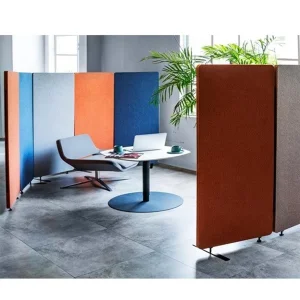
Explore our structural isolation mounts, partition systems, and high-density interior/exterior acoustic panels.
 Dubuild Panel