High-performance sound-absorbing systems and acoustic treatments tailored for global architectural, commercial, and residential projects.
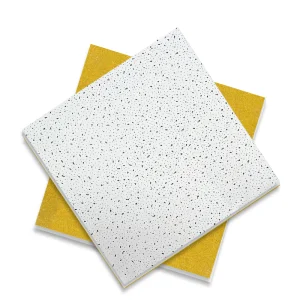
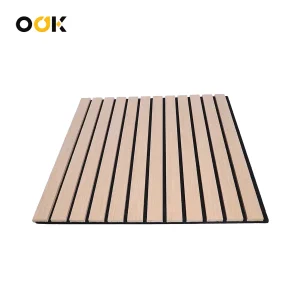
A premier manufacturing hub delivering internationally certified noise control systems from the industrial center of Dongguan, China.
Dongguan Dubuild Panel Co., Ltd. is a professional Acoustic Wall Panel Manufacturer specializing in the design, development, and production of high-performance soundproof panels and noise control solutions for global markets.
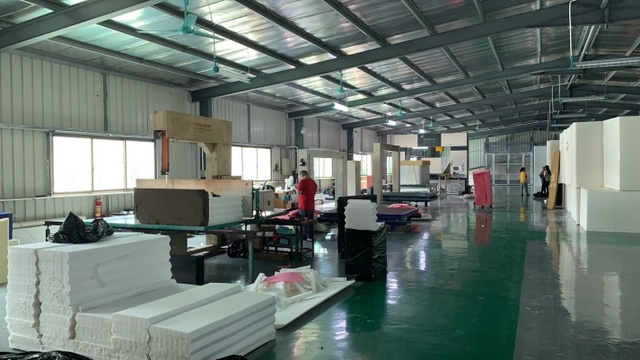
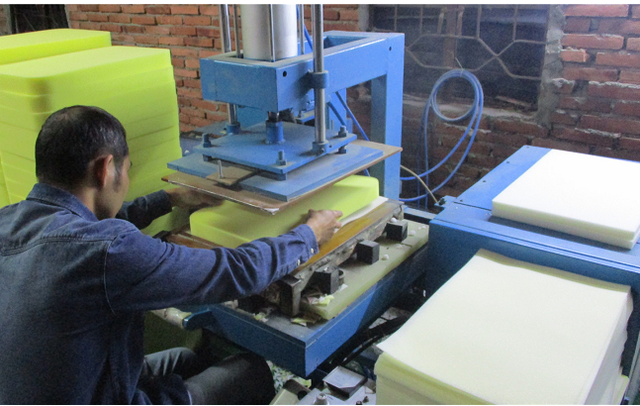
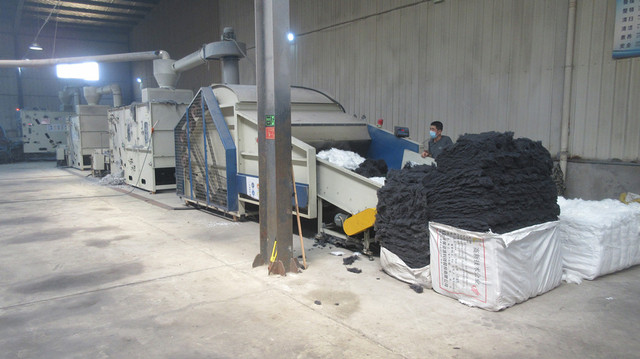
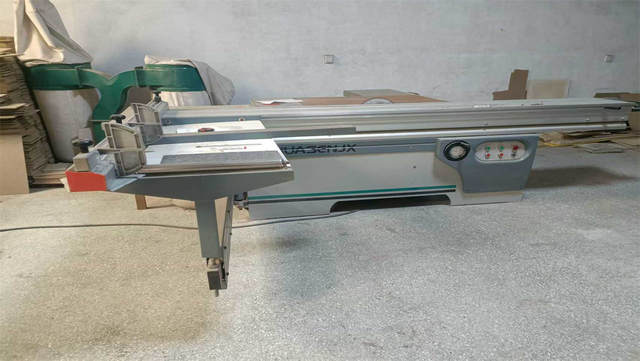
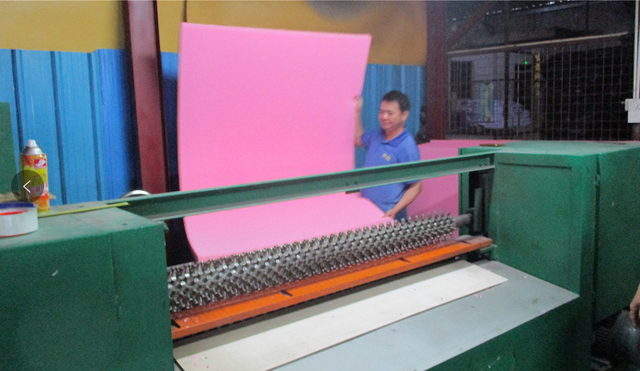
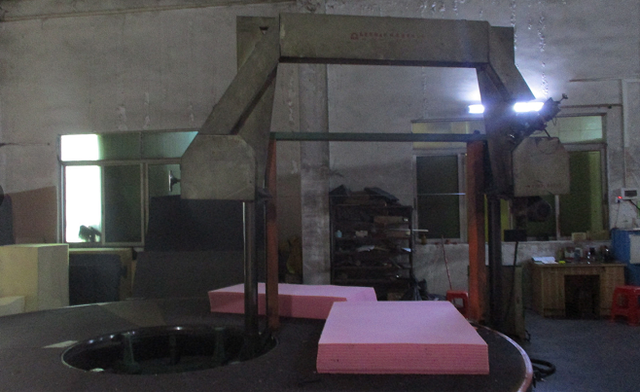
With its manufacturing base located in the dynamic industrial hub of Dongguan, China, Dubuild Panel integrates advanced production technology, strict quality control, and innovative acoustic engineering to deliver products that meet diverse architectural and environmental needs.
The company’s core product portfolio includes a wide range of acoustic wall panels, sound-absorbing boards, and noise-reduction systems tailored for commercial, residential, hospitality, and institutional applications. These solutions are engineered to improve interior sound quality by minimizing echo, reducing noise transmission, and enhancing acoustic comfort in spaces such as offices, studios, auditoriums, conference rooms, and public venues.
Committed to excellence, Dubuild Panel emphasizes customization and performance, offering clients flexible design options, material selections, and finishes that align with both functional and aesthetic requirements. With a focus on sustainability, the company utilizes environmentally responsible materials and adheres to international standards throughout its manufacturing process.
Through its dedication to innovation, quality, and customer satisfaction, Dongguan Dubuild Panel Co., Ltd. has established a reputation as a reliable partner for architects, designers, and acoustic professionals seeking effective noise control and superior acoustic solutions.
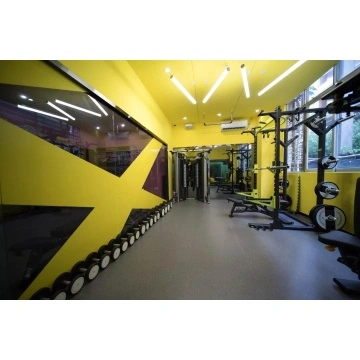
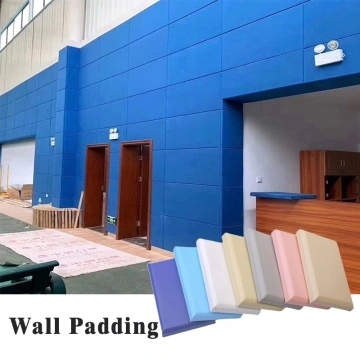

Analysis of changing architectural standards, environmental regulations, and sound pollution mitigation demands across modern markets.
In modern architecture, room acoustic treatment has evolved from a niche studio requirement into a critical design standard for commercial, institutional, and residential buildings. As populations urbanize, the concept of environmental wellness has come to the forefront, driven by frameworks like the WELL Building Standard and LEED Certification. These programs recognize that sound isolation and indoor acoustic comfort directly impact cognitive performance, mental health, and physical well-being. Excessive reverberation and low sound transmission class (STC) ratings in workspaces contribute to stress, fatigue, and decreased productivity.
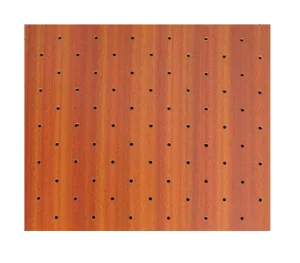
The commercial real estate sector is witnessing a shift towards open-plan layouts that, while promoting collaboration, present severe acoustic challenges. Speech privacy (measured by the Articulation Index) has become harder to achieve, leading to a rising demand for customized micro-perforated wood panels, fabric-wrapped fiberglass boards, and acoustic dividers. Major metropolises across the USA, EU, and Asia-Pacific enforce strict building codes governing reverberation time (RT60) in public assembly spaces, requiring developers to source certified acoustic materials that meet class-A fire safety and low VOC emission standards.
Concurrently, the manufacturing landscape is experiencing rapid modernization. The integration of advanced computer-aided design (CAD) with high-speed multi-spindle CNC drilling machines allows manufacturers to balance design aesthetics with target acoustic performance. Global sourcing managers no longer buy standard off-the-shelf wall cladding; they require highly specialized, OEM-customized panels with variable perforation spacing, custom veneer finishes, and specific core material densities (ranging from 64kg/m³ to 96kg/m³ for optimal low-to-mid frequency attenuation).
| Acoustic Panel Core Type | Noise Reduction Coefficient (NRC) | Flame Retardant Standard | Environmental Safety | Primary Architectural Application |
|---|---|---|---|---|
| Perforated Wood MDF Panels | 0.65 - 0.85 (with backing fleece) | BS 476 Part 7 Class 1 / ASTM E84 Class A | E0 / E1 Formaldehyde Grade | Auditoriums, Performing Arts Centers, Boardrooms |
| Fabric Wrapped Fiberglass | 0.80 - 0.95 (variable density) | ASTM E84 Class A (core) | Formaldehyde-free core, low VOC | Gymnasiums, Recording Studios, Open Offices |
| Polyester (PET) Felt Board | 0.45 - 0.85 (thickness dependent) | EN 13501 Class B-s1, d0 | 100% Recycled PET, zero chemical binders | Suspended Ceilings, Hanging Dividers, 3D Wall Slats |
| Wood Wool / Cement Boards | 0.60 - 0.80 (structural face) | Non-combustible A2 (EN 13501) | Eco-friendly mineral wool & timber fibers | Industrial Machine Rooms, Sports Arenas, Parking Decks |
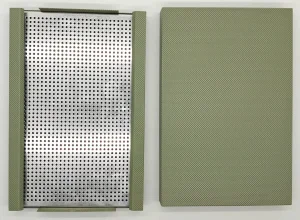
| Aluminum Honeycomb Perforated | 0.75 - 0.90 (composite structure) | Class A1 Non-combustible | Fully recyclable, zero emissions | High-humidity Pools, Marine Transit, Cleanrooms |
Why manufacturing acoustic materials in China's premier industrial hub delivers unmatched cost-to-performance ratio and project scalability.
Dongguan's industrial cluster provides immediate, low-latency access to raw inputs, including MDF cores, high-tensile fiberglass sheets, sustainable PET resins, and precise wood veneers. This drastically reduces production lead times compared to Western assembly lines.
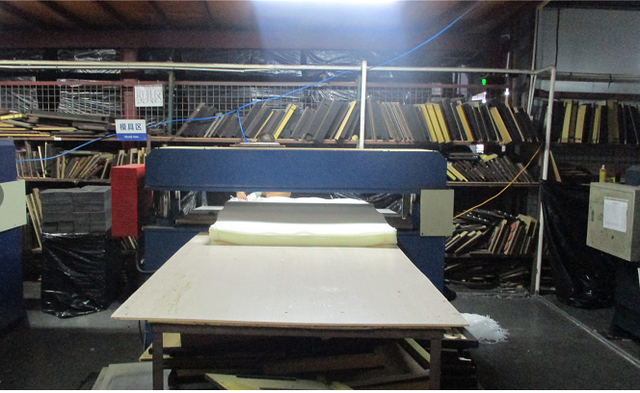
Leveraging advanced, multi-spindle computerized machinery, we execute micro-perforations down to 0.5mm with structural precision. High speed processing ensures consistent slot patterns and joint tolerances, resulting in seamless site installation and optimal wave diffusion.
Positioned next to major maritime gateways in Shenzhen and Guangzhou, the factory ensures optimized shipping routes. The proximity to deep-water ports reduces domestic transport overhead, enabling competitive FOB, CIF, and DDU rates for our global distributors.
How distinct acoustic profiles are applied to resolve target frequency resonances, flutter echoes, and sound transmission failures.
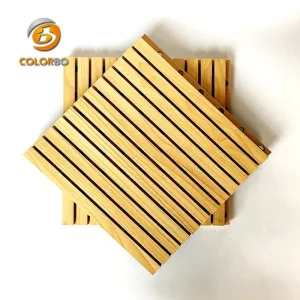
In high-fidelity production environments, critical listening requires balanced absorption across the frequency spectrum. The presence of low-end rumble and mid-frequency standing waves is mitigated using dense wooden slot diffusers and fabric-wrapped fiberglass panels. Proper acoustic treatment eliminates flutter echo, controls room modes, and creates a flat response curve so sound engineers hear exactly what is recorded, without artificial coloration.
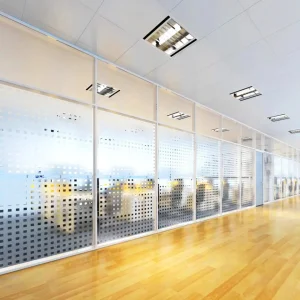
Modern corporate offices heavily feature glass partitions, concrete floors, and hard surfaces that reflect sound, causing high speech intelligibility issues. Custom PET acoustic hanging panels, fabric wrapped ceiling clouds, and soundproof glass partition walls isolate meeting spaces. They control background noise and speech leakage, allowing remote video calls and localized focus without structural noise pollution.
Large public venues require a delicate balance of reflection and absorption to distribute sound energy evenly. Micro-perforated wood panels on side walls absorb late reflections to prevent muddy audio, while solid reflectors project the primary speaker's voice to the rear rows. This calculated engineering prevents late echoes and allows high levels of speech clarity throughout the space without relying solely on electronic amplification.
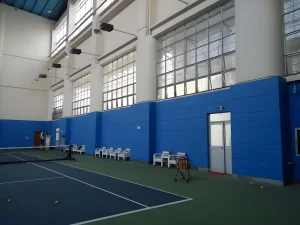
Educational institutions require low background noise levels for effective learning. Gymnasiums, with high ceilings and heavy impact noises, present complex challenges. Heavy duty cement wood wool acoustic panels and ceiling baffles are deployed to absorb structural impacts and withstand mechanical wear while suppressing long reverberation times. This keeps classrooms quiet and athletic areas control noise levels.
Emerging technologies and material science developments that are shaping the future of global architectural acoustic systems.
The manufacturing of acoustic panels is undergoing a major shift away from carbon-intensive polyurethane foams and synthetic binders. The market is demanding high-density PET felt panels sourced from post-consumer recycled water bottles. Furthermore, binder technologies are moving toward natural starch-based resins and agricultural waste materials (like bagasse and hemp fibers) which reduce the structural carbon footprint of new buildings while ensuring identical sound absorption ratings.
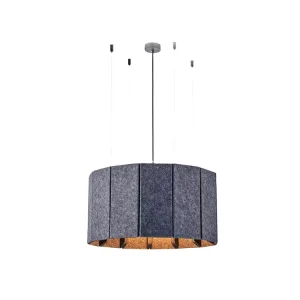
Acoustic panels are no longer just passive wall fixtures. Modern architectural specifications combine lighting and acoustic elements into unified systems. Examples include acoustic ceiling lampshades, integrated LED linear light channels embedded within wood slat Akupanels, and thermo-acoustic panel systems that manage room climate alongside sound absorption.
Using finite element method (FEM) software, acoustic consultants can model exact room resonances before construction begins. Modern factories, like Dongguan Dubuild Panel Co., Ltd., can take these simulation files and directly program CNC drilling routers to produce custom-tuned acoustic panels. These panels feature varying slot spacing and depth configurations designed to address the specific frequency issues of a particular room.
Critical quality criteria and testing standards to verify when sourcing acoustic products from global manufacturing partners.
When sourcing acoustic treatment products at an industrial scale, procurement directors must look beyond price and verify rigorous technical criteria to avoid project delays, structural non-compliance, and liability.
Dongguan Dubuild Panel Co., Ltd. provides certified acoustic systems tested by international labs, ensuring seamless regulatory compliance for architectural designs worldwide.
Detailed answers to complex questions regarding B2B customization, acoustic performance metrics, and fire retardant standards.
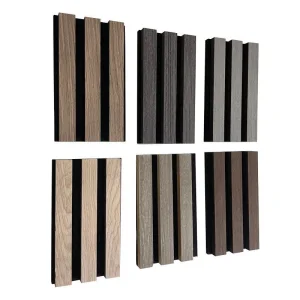
Select high-durability timber, composite, and metal acoustic systems designed to meet demanding architectural and noise control specifications.
 Dubuild Panel