Browse our top-performing acoustic panels, composite assemblies, and engineered partition frameworks designed to intercept, absorb, and decouple high-frequency sound transmission.
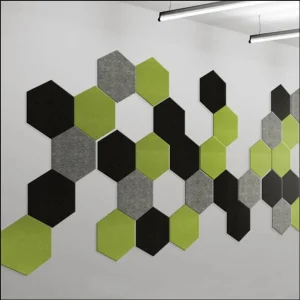
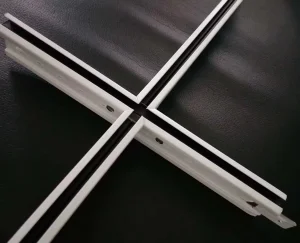
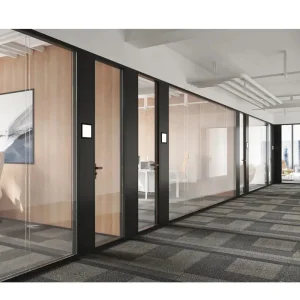
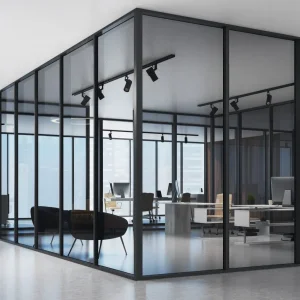
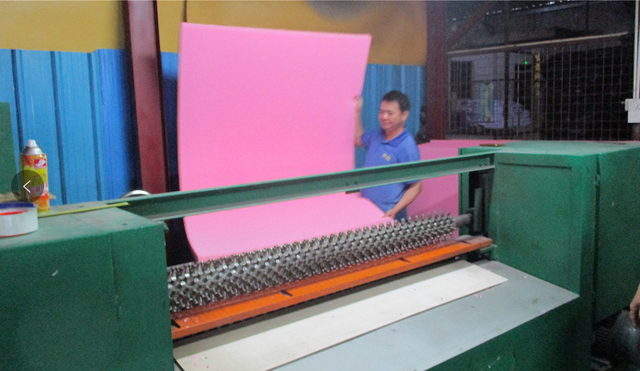
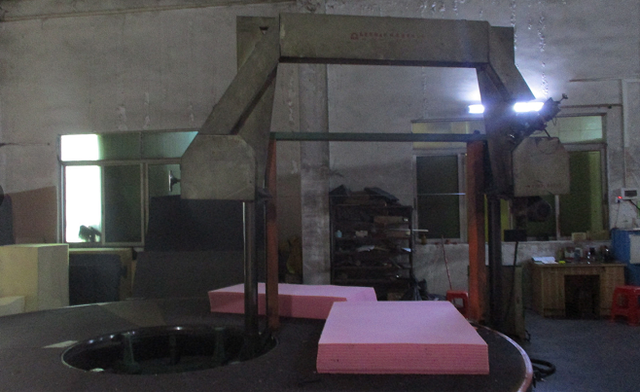
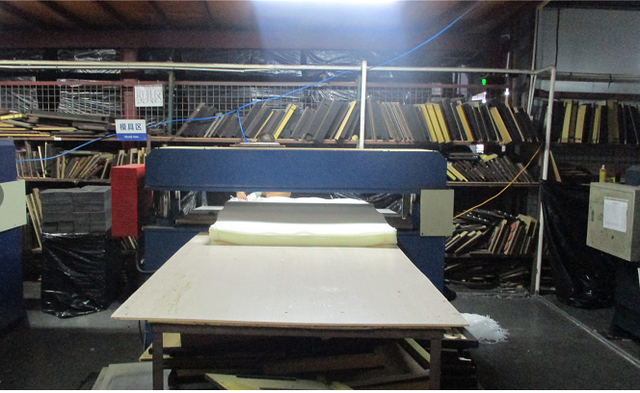
As a professional Acoustic Wall Panel Manufacturer, Dongguan Dubuild Panel Co., Ltd. specializes in the engineering, design, and manufacturing of high-performance soundproof panels and noise control solutions for global infrastructure and commercial developments. Operating out of our advanced production facility in Dongguan, China, we integrate structural engineering, materials science, and state-of-the-art tooling to manufacture high-yield structural panels optimized for both internal acoustics and external building envelopment.
Our core mission is to mitigate environmental noise and reduce echo through sound absorption, maximizing physical comfort in industrial offices, performance halls, high-traffic corridors, and corporate environments. Every system we produce is tested to maintain structural integrity under load, comply with strict safety certifications, and offer architectural flexibility.
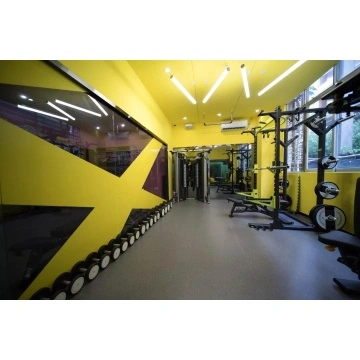
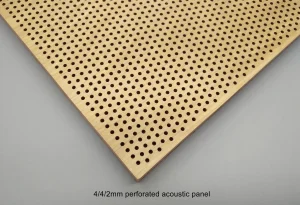
The modern architectural landscape demands highly versatile materials that satisfy acoustic, mechanical, and visual properties simultaneously. Dubuild Panel addresses these challenges by developing layered compound materials, such as our micro-perforated MDF panels, fabric-wrapped fiberglass structures, and fire-resistant rockwool assemblies.
By optimizing properties such as the Noise Reduction Coefficient (NRC) and Sound Transmission Class (STC), our assemblies reduce mid-to-high-frequency speech flutter and isolate low-frequency structural vibration. This allows developers, builders, and sound engineers to achieve acoustic balance in complex spaces, ensuring compliance with strict building codes.
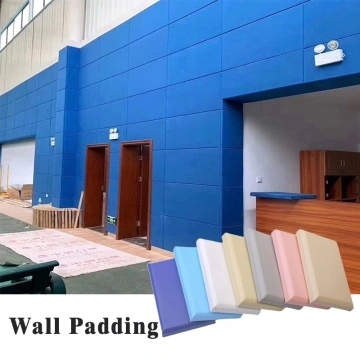
Urbanization, regulatory demands, and the rise of sustainable construction frameworks (like LEED and WELL) have shifted acoustic management from a secondary consideration to a primary engineering requirement.
Modern city centers face continuous exposure to high-level decibel contamination from transportation networks, manufacturing facilities, and HVAC infrastructure. High-mass and composite architectural barrier assemblies are required to prevent structural transmission and shield internal commercial environments.
Acoustic comfort is directly tied to physiological health and performance. Modern building standards, including LEED v4.1 and the WELL Building Standard, mandate strict maximum reverberation times (RT60) and background decibel thresholds, requiring high-NRC acoustic panels.
Structural flanking transmission—where vibration travels through building slabs, studs, and concrete joints—requires specialized isolation frameworks. Soundproof sandwich structures and decoupled glass partitions stop vibration pathways from compromising adjoining spaces.
To achieve high-quality acoustic performance, designers must distinguish between sound absorption (controlling reflections within a room) and sound isolation (blocking sound transmission between rooms).
Absorption limits the reflection of sound waves off hard surfaces, preventing echo, flutter, and reverberation buildup. The performance is measured via the Noise Reduction Coefficient (NRC), ranging from 0.0 (total reflection) to 1.0 (total absorption).
Materials like our perforated MDF wood panels and porous PET fiber boards trap sound waves in micro-channels, converting acoustic energy into thermal energy. This optimization controls RT60, ensuring clear speech intelligibility in lecture halls, executive conference rooms, and recording studios.
Isolation prevents sound waves from penetrating boundary walls or partition planes. This is measured by the Sound Transmission Class (STC) or the weighted sound reduction index (Rw). The rating corresponds directly to decibel loss across a partition.
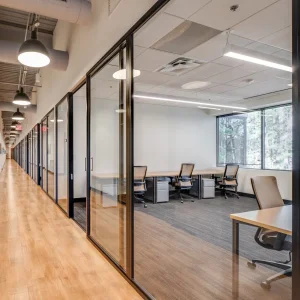
Isolating sound requires mass, decoupling, and damping. Double-glazed office partitions and structural sandwich panel assemblies introduce changes in material density. This breaks the transmission path, keeping confidential conversations secure and keeping loud industrial machinery noises confined.
As a premier global exporter, Dubuild Panel ensures all acoustic assemblies satisfy regional building codes and environmental certifications.
Our products meet ASTM E84 Class A flame spread indexes and smoke development indices. Physical testing in accredited third-party laboratories guarantees compliance with IBC (International Building Code) acoustic and safety requirements.
Tested to satisfy European fire testing standard EN 13501-1 (Class B-s1, d0). This guarantees that our panels are suitable for public venues, escape routes, and high-occupancy commercial complexes throughout the EU.
Our high-density PET panels and wood fiber items are processed to keep formaldehyde release well below international thresholds, meeting Class E1 standards and supporting low-VOC criteria under green building certificates.
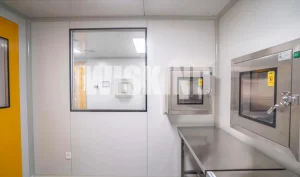
From sterile pharmaceutical cleanrooms to high-end cinematic complexes, our acoustic materials are engineered to perform in diverse, demanding architectural environments.

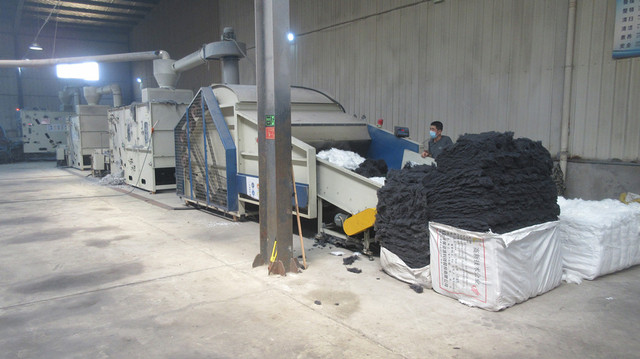
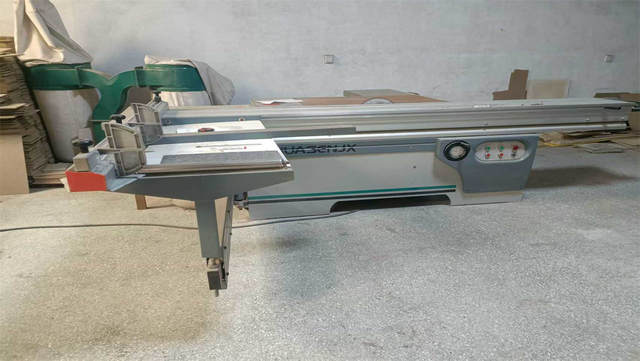
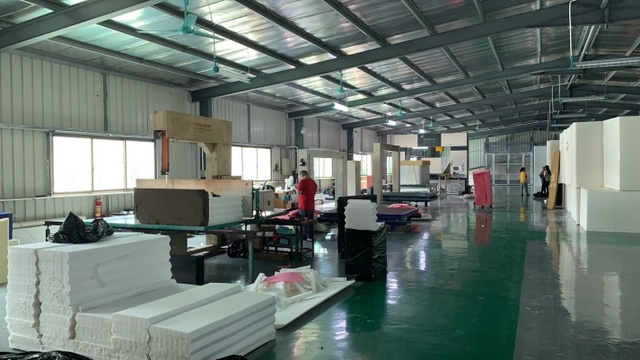
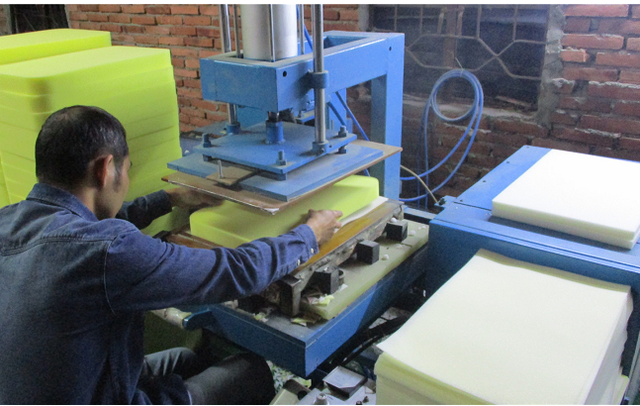
Dubuild Panel is actively developing next-generation technologies to meet the evolving demands of sustainable, smart-building architecture.
Our R&D department is designing acoustic meta-materials with internal geometric patterns engineered to block specific, low-frequency rumble. This technology provides targeted sound isolation without the need for thick, high-mass assemblies.
We are working to integrate thin, active sound-dampening components directly into office glass partitions and wall cavities. These components generate out-of-phase wave patterns to cancel out steady background hums from HVAC and computer servers.
To support circular economy initiatives, we are transitioning our PET manufacturing lines to utilize 100% ocean-bound and post-consumer recycled plastics, reducing carbon footprints without compromising structural tension or acoustic quality.
Expert answers to technical questions about building codes, acoustic calculations, and material selections.
The decision depends on your design goals. Prioritize STC (Sound Transmission Class) if you need to isolate sound between rooms, such as keeping executive offices or boardroom discussions private. Prioritize NRC (Noise Reduction Coefficient) if you need to reduce echoes, control reverberation times, and improve speech clarity within open-plan offices, call centers, or multi-use areas.
Our products undergo testing in accredited laboratories. For the North American market, we test to the ASTM E84 standard, which evaluates surface burning behavior to classify materials as Class A, B, or C. For European projects, we test to the EN 13501-1 standard, which classifies materials based on fire propagation, smoke generation (s1/s2/s3), and flaming droplets (d0/d1/d2).
Low-frequency hums (typically under 125 Hz) are difficult to manage with thin, lightweight absorption materials. Mitigating these noises requires thick, decoupled sandwich structures, composite barriers with high-density cores (such as rockwool), and mechanical isolation mounts. These elements create changes in mass and density that reflect or absorb the longer wavelengths of low-frequency sound.
Untreated wood-fiber panels can absorb moisture, causing swelling and warping over time. For areas with high relative humidity, we treat our MDF cores with moisture-resistant resins or offer high-durability composite panel alternatives. These options ensure the panels maintain their structural integrity and acoustic performance, even in challenging environments.
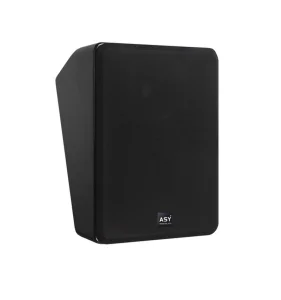
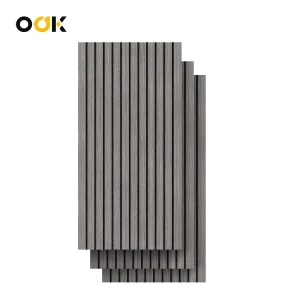
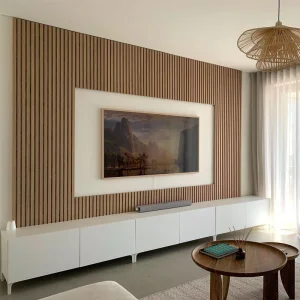
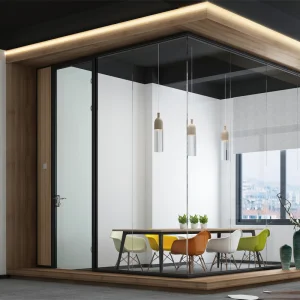
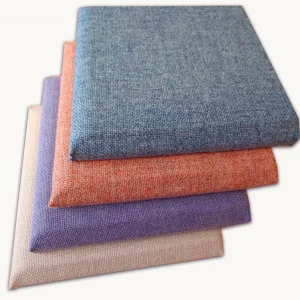
Select from our collection of acoustic slat walls, cleanroom sandwich panels, frameless laminated partitions, and high-fidelity cinema sound systems.
 Dubuild Panel