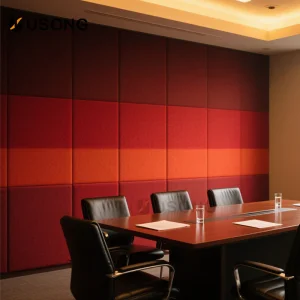
Engineered acoustic solutions optimizing NRC (Noise Reduction Coefficient) and STC (Sound Transmission Class) values for residential, commercial, and heavy industrial architectural specifications.
Modern architecture is increasingly defined by open spaces, lightweight structures, and complex HVAC networks. While these trends deliver superior environmental design and aesthetic appeal, they also expose building occupants to acoustic strain. Studies indicate that sustained exposure to high ambient noise levels impairs productivity in commercial zones and triggers physiological stress in domestic and healthcare environments. Consequently, the selection of performance-certified soundproof panels and noise control systems has evolved from an optional interior design element to a foundational requirement of structural engineering and regulatory compliance.
Global acoustic buyers evaluate product viability through metrics verified by accredited third-party laboratories. First, the Noise Reduction Coefficient (NRC) measures sound absorption energy, scaling from 0.0 (total reflection) to 1.0 (total absorption). Second, the Sound Transmission Class (STC) evaluates the decibel reduction achievable when sound passes through a structural boundary. For commercial interiors, selecting panels that satisfy both parameters—such as polyester fiber boards or perforated aluminum honeycomb structures—is critical to mitigating low-to-mid-frequency reverberation.
Dongguan Dubuild Panel Co., Ltd. is a professional Acoustic Wall Panel Manufacturer specializing in the design, development, and production of high-performance soundproof panels and noise control solutions for global markets. With its manufacturing base located in the dynamic industrial hub of Dongguan, China, Dubuild Panel integrates advanced production technology, strict quality control, and innovative acoustic engineering to deliver products that meet diverse architectural and environmental needs.
The company’s core product portfolio includes a wide range of acoustic wall panels, sound-absorbing boards, and noise-reduction systems tailored for commercial, residential, hospitality, and institutional applications. These solutions are engineered to improve interior sound quality by minimizing echo, reducing noise transmission, and enhancing acoustic comfort in spaces such as offices, studios, auditoriums, conference rooms, and public venues.
Committed to excellence, Dubuild Panel emphasizes customization and performance, offering clients flexible design options, material selections, and finishes that align with both functional and aesthetic requirements. With a focus on sustainability, the company utilizes environmentally responsible materials and adheres to international standards throughout its manufacturing process.
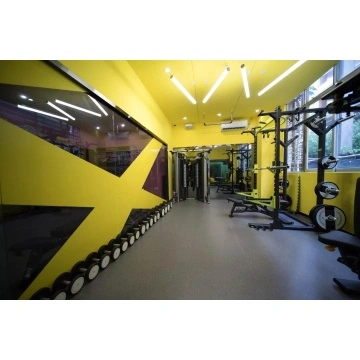
By utilizing high-precision computer numerical control (CNC) routing machinery, automatic thermal-lamination, and specialized textile wrapping systems, Dubuild Panel guarantees uniform dimensional tolerances on custom acoustic wooden slats, fabric-wrapped polyester panels, and operable partition walls.
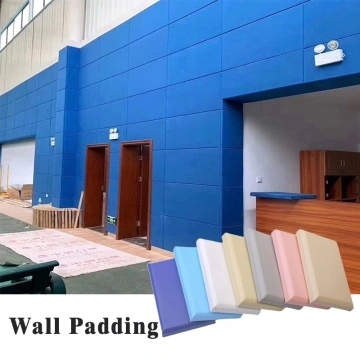

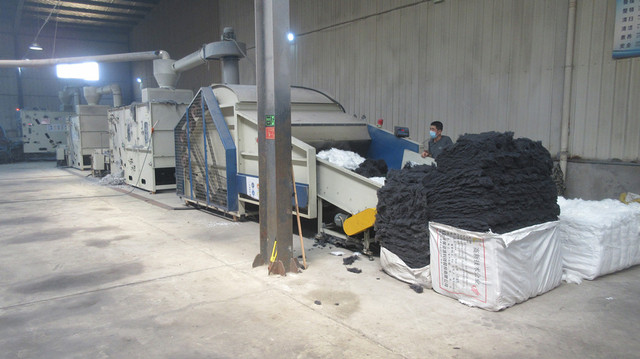
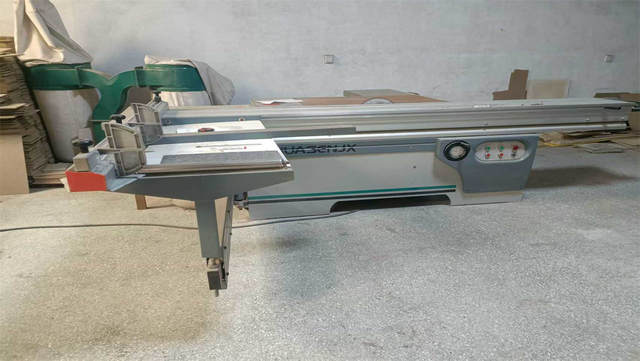
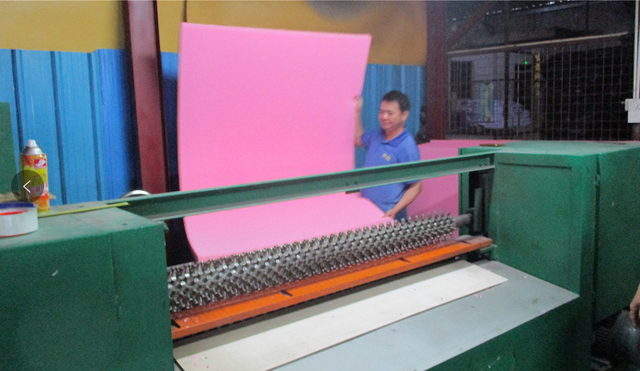
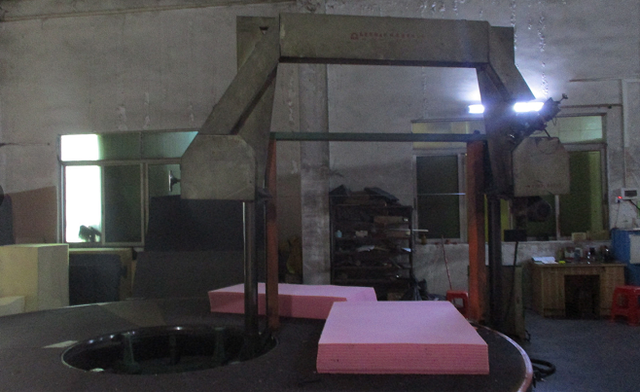
Procurement managers, architects, and structural designers seeking reputable soundproofing suppliers must evaluate technical competencies, engineering verification, and manufacturing output. Below is a structural matrix outlining the core capabilities that define the top 10 acoustic suppliers globally:
| Criteria Category | Technical Benchmark Target | Critical Standard Code | Verification Frequency |
|---|---|---|---|
| Fire Classification | Class A / Class B-s1, d0 | ASTM E84 / EN 13501-1 | Per production run batches |
| Acoustic Mitigation | NRC ≥ 0.85 / STC ≥ 35 dB | ASTM C423 / ASTM E90 | Bi-annual laboratory verification |
| Environmental Safety | E0 Formaldehyde, low VOC emission | ISO 16000-9 / REACH Compliant | Annual raw material inspection |
| Structural Integrity | Zero warping, high impact resistance | ASTM D1037 (Wood properties) | Standardized internal QC batch tests |
Top suppliers maintain in-house reverberation chambers and impedance tube testing equipment. This allows them to issue precise transmission loss and absorption coefficient reports for customized finishes.
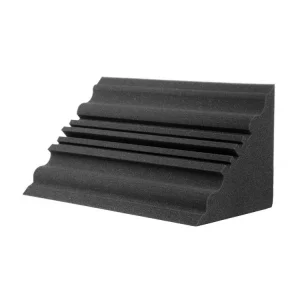
Suppliers must process diverse raw substrates—including PET felt, medium-density fiberboards (MDF), structural aluminum honeycomb, and acoustic foams—to support multi-disciplinary building designs.
Proximity to international shipping terminals, such as Shenzhen or Guangzhou, enables reliable logistics coordination. It also supports protective packaging protocols for delicate acoustic surfaces.
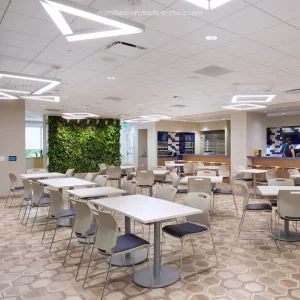
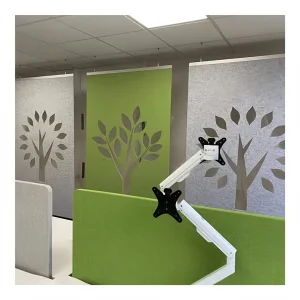
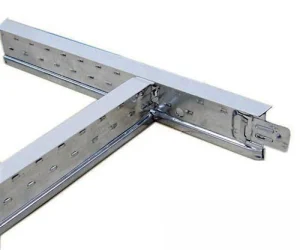
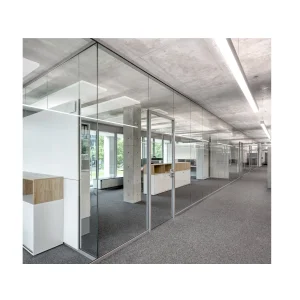
Corporate offices require low background noise to improve focus. Using suspended ceiling systems and PET felt room dividers helps isolate keyboard tapping and conversational echo. This optimizes speech intelligibility in modern open-plan environments.
Auditoriums, concert halls, and theaters require controlled sound dispersion. Implementing wooden wall diffusers and perforated wood panels scatter sound waves uniformly, avoiding flutter echoes and ensuring high-fidelity projection.
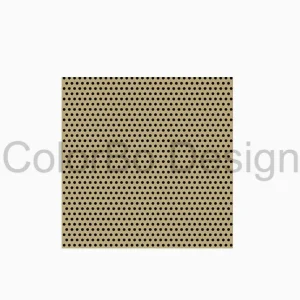
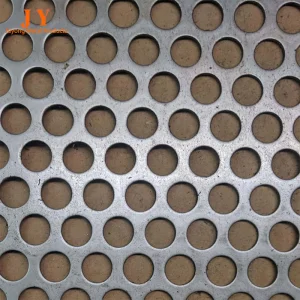
Manufacturing floors, chiller plant rooms, and engine rooms produce loud airborne noise. Heavy-duty perforated aluminum honeycomb panels and round hole perforated sheets block sound propagation, helping facilities meet occupational health and safety limits.
A closer look at the raw material configurations, density control, and technical structures engineered at the Dubuild Panel facility.
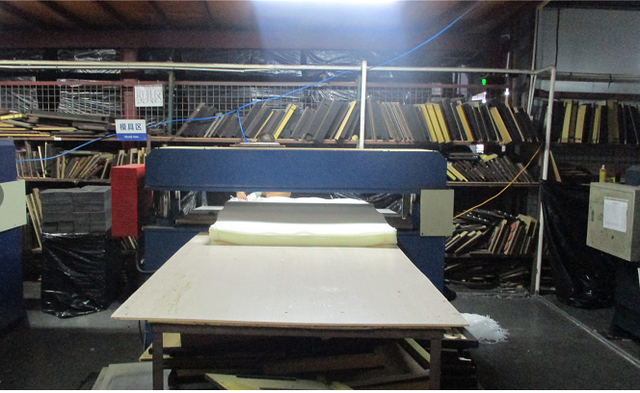
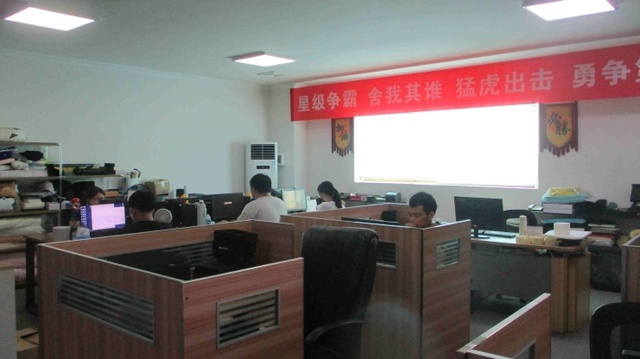
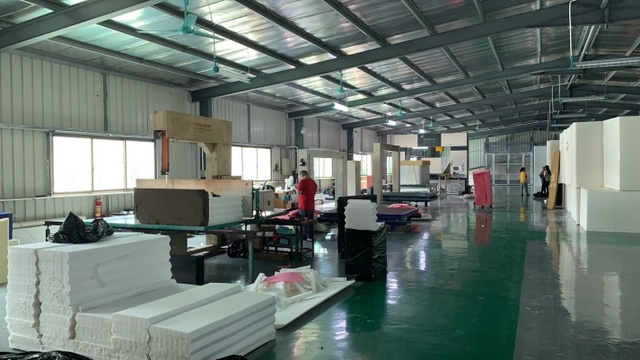
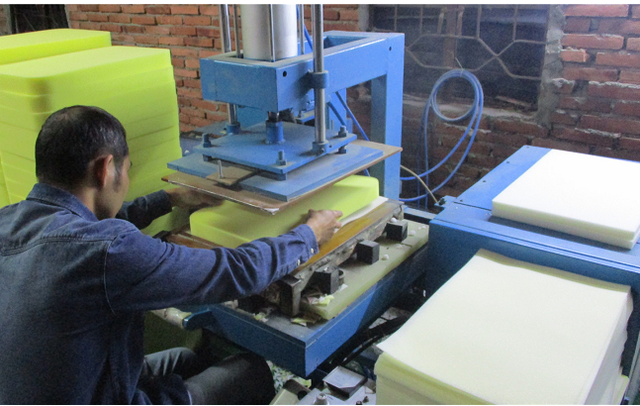
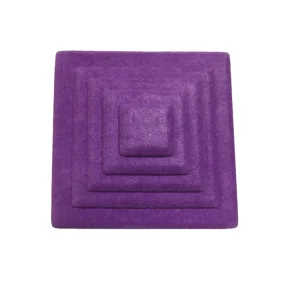
Dubuild Panel converts consumer plastic bottles into high-density sound-absorbing polyester felt. The fibers are needle-punched to create an open-pore structure. This configuration offers high resistance to physical wear while maintaining sound absorption across mid-to-high frequencies.
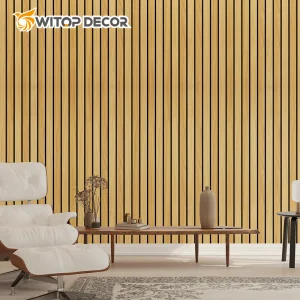
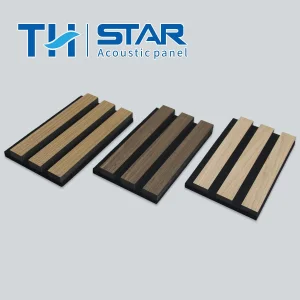
These systems combine real oak and walnut veneers with sound-absorbing felt backings. The slats function as a mechanical diffuser, breaking up planar sound reflections, while the porous backing captures the remaining sound energy.
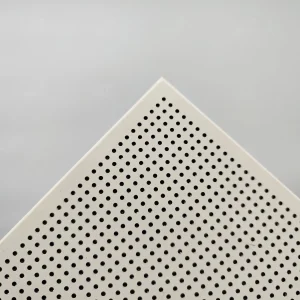
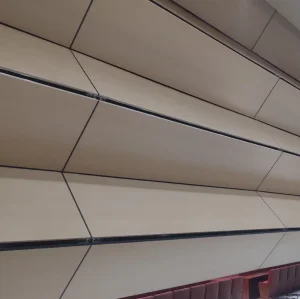
Designed for outdoor, marine, and high-cleanliness industrial locations, these systems feature micro-perforated aluminum sheets over an aluminum honeycomb core. This non-combustible configuration delivers durable sound control in demanding environments.
Navigating cross-border construction codes is critical when sourcing acoustic panels for international projects. Different jurisdictions require distinct certifications to verify structural safety and environmental compliance.
Projects in the USA and Canada require flame-retardant materials tested to ASTM E84 Class A standards. These tests verify low flame spread index (FSI) and smoke developed index (SDI). Acoustic absorption data must also align with ASTM C423 testing protocols.
European installations must satisfy the EN 13501-1 fire safety rating, commonly targeting B-s1, d0 performance. Additionally, products must carry CE marking, verify low formaldehyde emissions (E1 classification), and comply with REACH regulations.
Fast-growing construction markets like the GCC demand robust performance under high humidity and temperature. Materials must undergo dynamic physical testing to verify mold resistance, structural stability, and long-term durability.
The acoustic industry is evolving beyond static materials. Next-generation systems integrate advanced composite matrices to target specific sound frequencies. This reduces reliance on high-mass assemblies.
Dongguan Dubuild Panel Co., Ltd. partners with academic acoustic research labs to test advanced raw composites. This initiative focuses on developing lightweight panels that maintain high sound isolation across low-frequency ranges.
Explore our high-performance systems, engineered for structural, industrial, and decorative applications.
 Dubuild Panel