In high-performance audio environments, the critical control of sound reflection, structural absorption, and low-frequency resonance is paramount. As professional architects, recording engineers, and global procurement officers navigate the complex supply landscape, establishing a resilient path to source high-performance acoustic products has moved from a tactical necessity to a strategic differentiator. This definitive guide analyzes the capabilities, material sciences, and technical methodologies driving the industry's premier manufacturing ecosystems.
Acoustic optimization relies heavily on the physical properties of modern materials. Whether minimizing axial modal reflections in recording booths, controlling reverberation times (RT60) in commercial auditoriums, or preventing environmental noise ingress, the selection of the correct panel structure determines acoustic performance. By focusing on Noise Reduction Coefficient (NRC) and Sound Transmission Class (STC), today's manufacturers deliver structural solutions that merge architectural elegance with precision engineering.
Global regulatory shifts are accelerating the transition toward circular material economies. Leading developers are replacing petroleum-based acoustic foams with high-density polyester fiberboard made from recycled PET bottles and natural bio-composites.
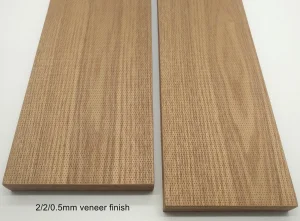
Traditional heavy absorptive structures are being replaced by micro-perforated wood veneers and metal systems. Utilizing sub-millimeter laser perforations, these systems achieve outstanding sound attenuation without compromising high-end aesthetic value.
Modern corporate workspaces demand mobile, modular acoustic units. Acoustic pods, flexible partition walls, and phone booths featuring integrated HVAC and clean power routing now represent a major share of total commercial acoustic demand.
Performance evaluation of major studio systems. Ratings are verified according to ISO 354 and ASTM C423 standard testing methodologies.
| Acoustic Core Material | Typical Thickness | NRC Rating Range | Fire Classification (EN 13501-1) | Key Architecture Applications |
|---|---|---|---|---|
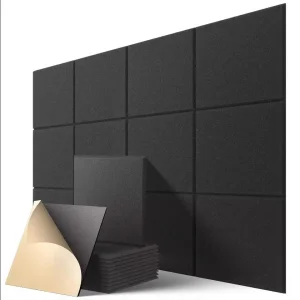
| PET Polyester Fiber Felt | 9mm - 24mm | 0.70 - 0.95 | Class B-s1, d0 | Recording Studios, Broadcast Suites, Open Offices |
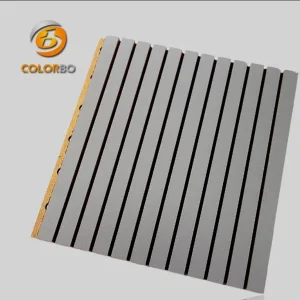
| Micro-Perforated Wood Veneer | 12mm - 18mm | 0.65 - 0.85 | Class B-s2, d0 | Concert Halls, Auditoriums, Boardrooms |
| Mineral Rock Wool Core | 50mm - 100mm | 0.90 - 1.05 | Class A1 (Non-Combustible) | Vocal Booths, Bass Traps, Mechanical Enclosures |
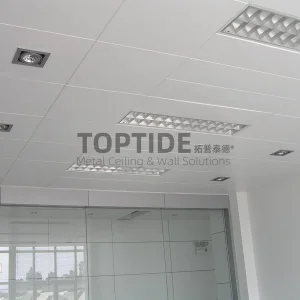
| Suspended Clip-In Aluminum System | 0.6mm - 1.0mm (Metal) | 0.75 - 0.90 (with fleece backing) | Class A1 | Commercial Terminals, High-Traffic Corridors |
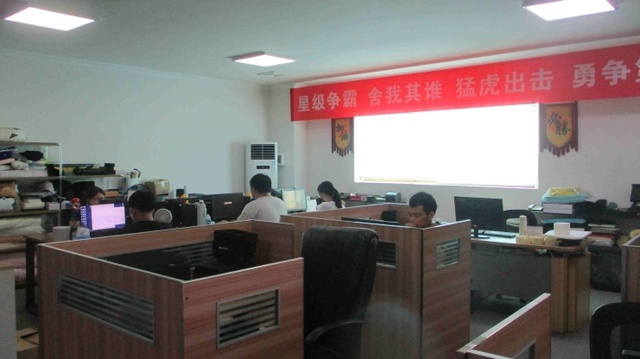
Dongguan Dubuild Panel Co., Ltd. is a professional Acoustic Wall Panel Manufacturer specializing in the design, development, and production of high-performance soundproof panels and noise control solutions for global markets. With its manufacturing base located in the dynamic industrial hub of Dongguan, China, Dubuild Panel integrates advanced production technology, strict quality control, and innovative acoustic engineering to deliver products that meet diverse architectural and environmental needs.
The company’s core product portfolio includes a wide range of acoustic wall panels, sound-absorbing boards, and noise-reduction systems tailored for commercial, residential, hospitality, and institutional applications. These solutions are engineered to improve interior sound quality by minimizing echo, reducing noise transmission, and enhancing acoustic comfort in spaces such as offices, studios, auditoriums, conference rooms, and public venues.
Committed to excellence, Dubuild Panel emphasizes customization and performance, offering clients flexible design options, material selections, and finishes that align with both functional and aesthetic requirements. With a focus on sustainability, the company utilizes environmentally responsible materials and adheres to international standards throughout its manufacturing process. Through its dedication to innovation, quality, and customer satisfaction, Dongguan Dubuild Panel Co., Ltd. has established a reputation as a reliable partner for architects, designers, and acoustic professionals seeking effective noise control and superior acoustic solutions.
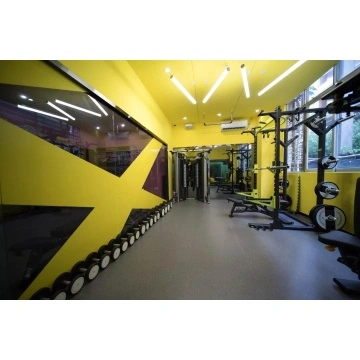
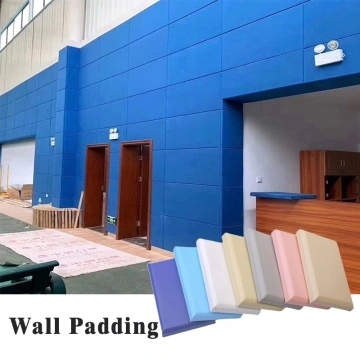

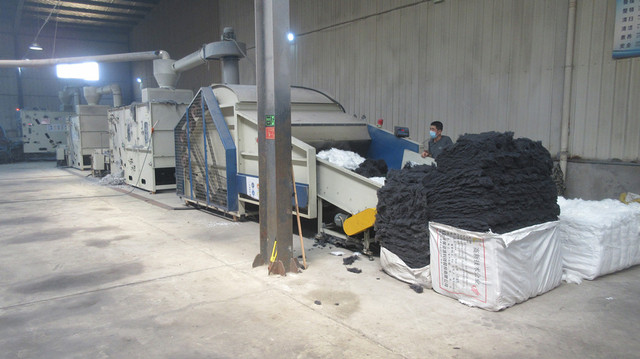
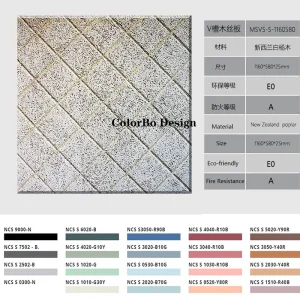
Tier-1 architectural projects require strict documentation. All acoustic panel exports must comply with international standards, including ASTM E84 (Class A fire rating), EN 13501-1, and E0 low-formaldehyde emission standards.
Acoustic panels are light but high-volume cargo. Advanced exporters utilize flat-pack optimization techniques and high-density outer cardboard structures to protect corners and avoid ocean freight rate surcharges.
Integrating acoustic layouts into Revit or AutoCAD models early prevents project delays. Modern manufacturers provide direct BIM and CAD files to assist engineering consultants during the design stage.
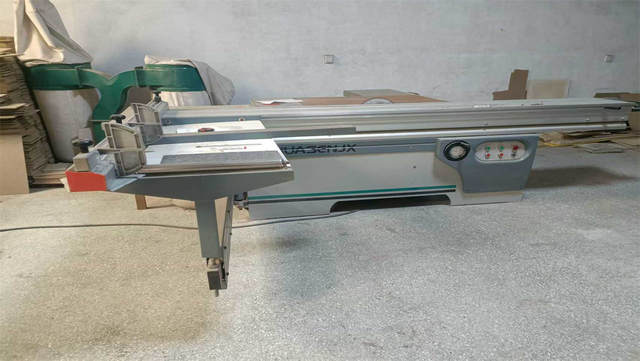
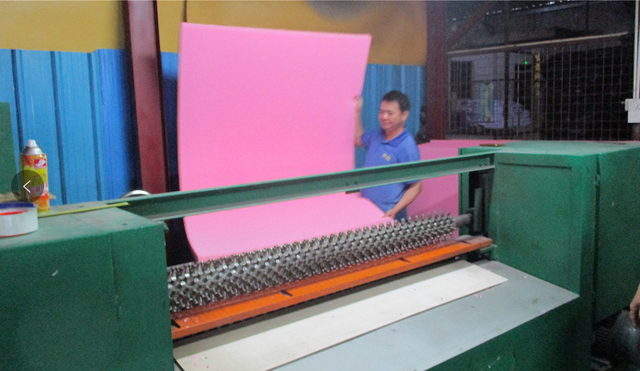
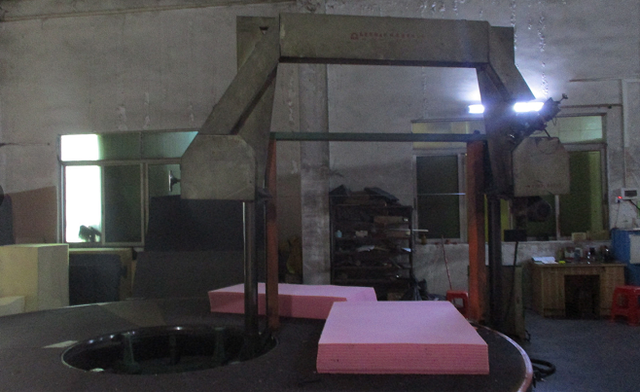
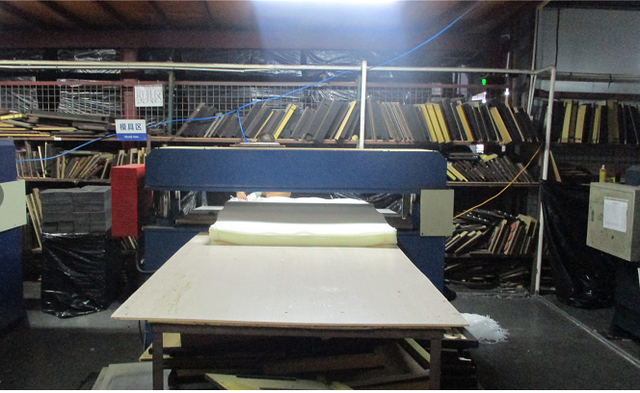
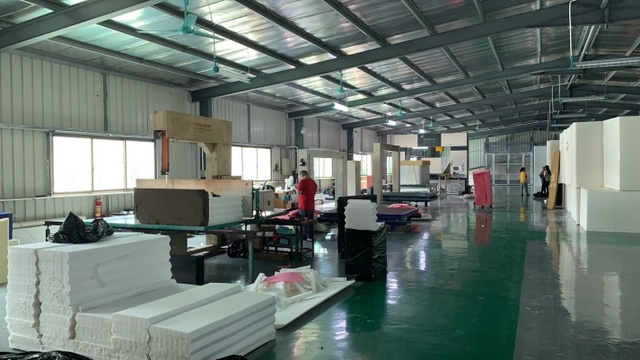
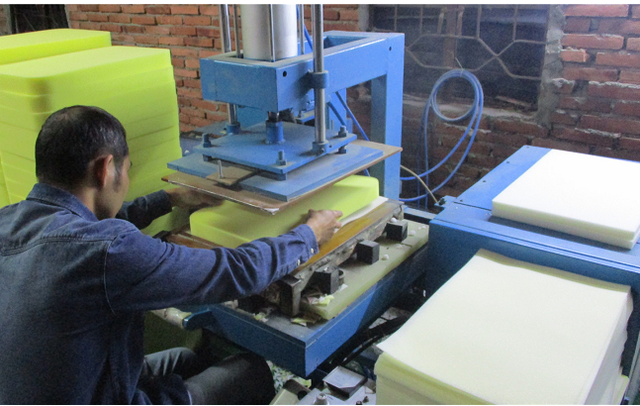
To maintain consistent acoustic values, production must follow precise standards. Variations in PET fiber diameter, wood-wool mineral saturation, or perforation geometry can affect the Noise Reduction Coefficient (NRC). Leading manufacturers use computerized CNC cutting systems to maintain tolerances within 0.1mm.
By 2028, leading manufacturers aim to shift 100% of their chemical binding systems to organic, plant-based starches. This change eliminates formaldehyde and volatile organic compounds (VOCs) from production lines, ensuring safer indoor environments.
Next-generation acoustic research centers are designing panels with tunable Helmholtz resonators. These panels allow installers to adjust sound absorption ranges after mounting, simplifying control over mid-to-low frequency buildup.
Manufacturers are linking product catalogs with cloud-based ray-tracing software. This integration allows specifiers to upload 3D models and preview RT60 levels across multiple frequency bands before manufacturing begins.
 Dubuild Panel