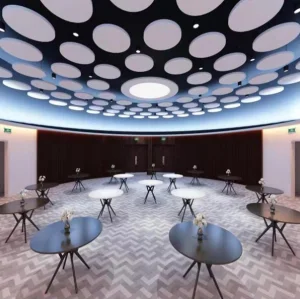
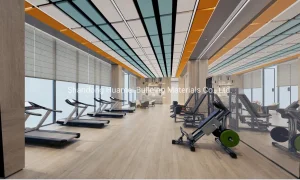
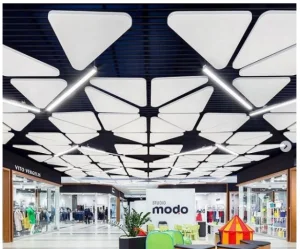
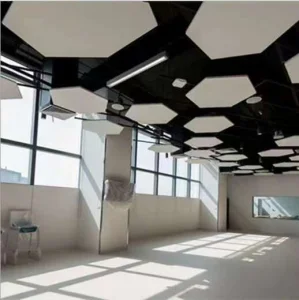
As Cameroon pushes towards its "Vision 2035," the development of commercial, hospitality, and administrative infrastructure in hubs like Yaoundé and Douala has accelerated. With this growth comes a critical requirement: effective acoustic environmental control. Modern architectural designs in Cameroon, characterized by large glass surfaces, open-plan offices, and concrete structures, are prone to reverberation, echo, and noise pollution.
Dongguan Dubuild Panel Co., Ltd. serves as a pivotal bridge, exporting high-performance acoustic ceiling clouds to Cameroon. By leveraging international standards (ASTM/ISO) and combining them with the specific climatic needs of the region—such as high-humidity resistance in fiber composition—we provide solutions that are not just decorative but functionally indispensable.
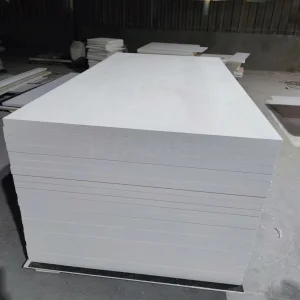
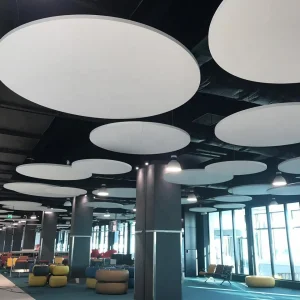
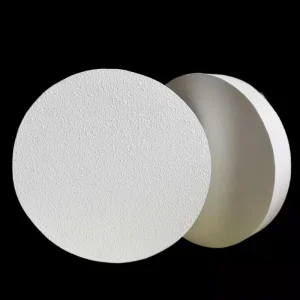
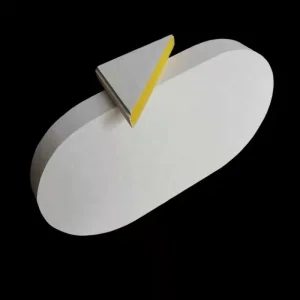
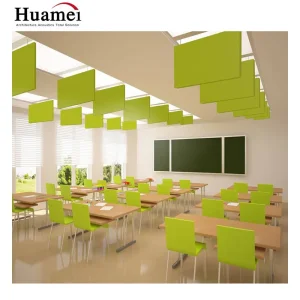
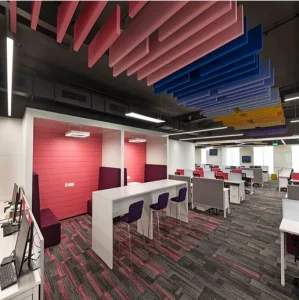
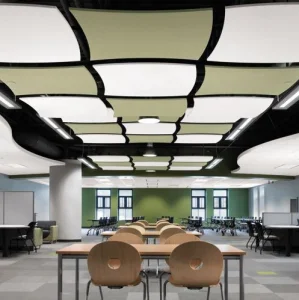
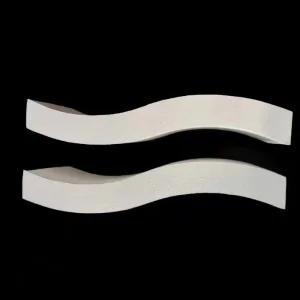
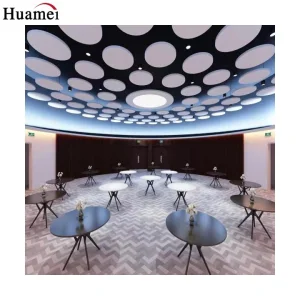
Our "Acoustic Cloud" technology utilizes high-density fiberglass cores capable of achieving NRC (Noise Reduction Coefficient) ratings of 0.9 and above. For Cameroon’s evolving workspaces, our installation strategy minimizes downtime, utilizing lightweight, easy-hang systems that accommodate various ceiling heights, ensuring that office efficiency and customer satisfaction in service industries remain high.
Decades of experience in manufacturing noise control solutions. Our expertise is backed by rigorous testing in reverberation chambers.
Streamlined supply chain operations ensuring timely delivery from our Dongguan facility to your project site in Cameroon.
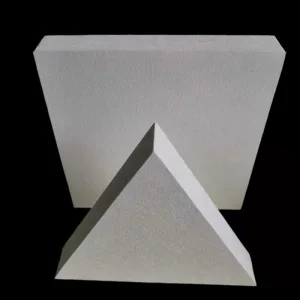
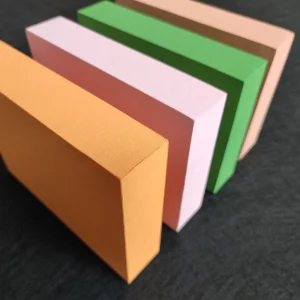
From office ceilings to studio soundproofing, we tailor the material, color, and NRC ratings to match your architectural vision.
A: Yes. Our fiberglass panels are treated for moisture resistance, ensuring durability even in the humid climates of coastal cities like Douala. They maintain structural integrity over time.
A: We provide comprehensive export assistance. From our manufacturing hub in Dongguan, we handle the packaging and documentation required for international shipping to major ports or freight centers in Cameroon.
A: Acoustic clouds provide sound absorption on both sides of the panel, effectively capturing sound waves reflected from the ceiling and reducing noise buildup in large, open-plan spaces more efficiently than wall-mounted panels alone.
 Dubuild Panel