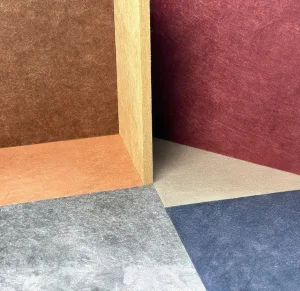
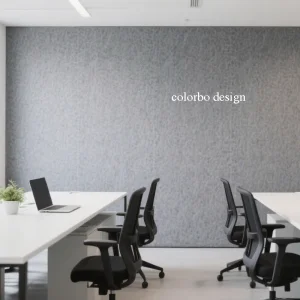
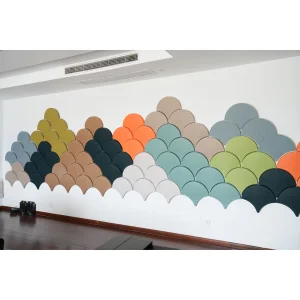
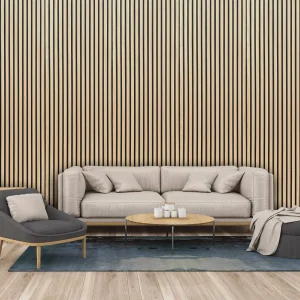
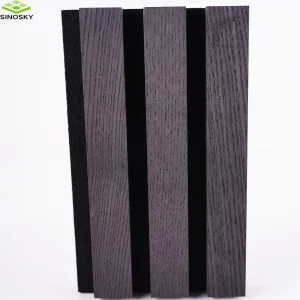
Discover our high-performance polyester and acoustic wood slat wall systems. Engineered to optimize room acoustics, absorb mid-to-high frequency reflections, and complement modern architectural layouts in the Rajshahi development region.

As the educational hub and a fast-growing economic powerhouse of North-West Bangladesh, the city of Rajshahi is undergoing a monumental infrastructural shift. From modern commercial headquarters, hospital structures, and administrative offices to world-class educational spaces like Rajshahi University of Engineering & Technology (RUET) and various medical colleges, the demand for high-performance acoustic surfaces is growing at an unprecedented rate. Concrete and hard brick masonry, standard in regional construction, suffer from long reverberation times (RT60 parameters). This results in excessive echo, poor speech intelligibility, and high ambient stress levels in workplaces and lecture halls.
Modern acoustic panels made from dense, needle-punched PET (Polyethylene Terephthalate) provide the ideal engineering countermeasure. Unlike traditional fiberglass panels, which degrade over time under the humid conditions characteristic of Bangladesh's seasonal monsoon, polyester fiber panels exhibit high hydrolytic stability, zero chemical off-gassing, and excellent thermal insulating metrics. Our thermal and acoustic double-action panels help stabilize interior climates while absorbing noise, reducing cooling loads, and increasing localized productivity.
Tested up to NRC 0.85-0.90 depending on installation gap. Ideal for reducing mid-to-high frequency speech reverberations in busy commercial offices, lecture halls, and call centers.
Constructed with up to 100% post-consumer recycled PET fiber. Provides vital carbon offsets and satisfies international criteria like LEED v4.1 BD+C, BREEAM, and WELL building certifications.
Fully certified under ASTM E84 Class A (USA) and EN 13501-1 Bs1d0 (Europe). Offers low flame propagation, zero dripping, and ultra-low toxic smoke development indexes.
Below are the empirical parameters and certified values of our polyester fiber panels. Architects, acoustic specialists, and project coordinators in the Rajshahi district can utilize these metrics during material scheduling to meet strict local and international fire code, environmental, and sound propagation requirements.
| Property Parameter | Testing Standard Applied | Empirical Value / Material Compliance |
|---|---|---|
| Fiber Composition | ISO 1833:2020 Quality Verification | 100% Recycled Polyethylene Terephthalate (PET) Felt |
| Standard Thickness Range | Direct Metric Standard Calibration | 9.0 mm to 24.0 mm (±0.5 mm tolerance allowance) |
| Nominal Density Scale | Density calculation by volume mass | 150 kg/m³ up to 220 kg/m³ for enhanced sound absorption |
| Noise Reduction Coefficient (NRC) | ASTM C423 / ISO 354 Method | 0.85 (A-mount configuration with 50mm air cavity backing) |
| Flame Spread Rating Index | ASTM E84 Surface Burning Method | Class A rating (Flame Spread Index ≤ 25, Smoke Developed ≤ 450) |
| European Fire Compliance | EN 13501-1 System Classification | B-s1, d0 (Flame retardant, minimum smoke emission, no droplets) |
| Formaldehyde Gas Emission | ISO 14184-1 Chamber Method | Non-detectable / Exceeds European E0 safety regulations |
| Anti-Microbial & Moisture Index | ASTM G21 Resistance Evaluation | Hydrophobic fibers, zero rot or mildew cultivation under 95% humidity |
Engineered specifically for high-frequency areas like restaurants, hotels, corporate meeting spaces, and multi-tenant offices in Rajshahi. Combining targeted soundproofing with elegant architectural visual appeal.
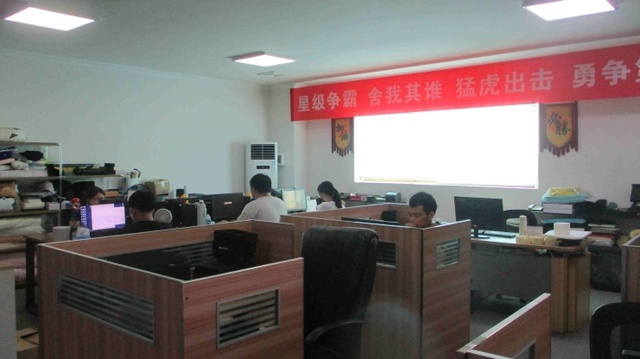
Dongguan Dubuild Panel Co., Ltd. is a professional Acoustic Wall Panel Manufacturer specializing in the design, development, and production of high-performance soundproof panels and noise control solutions for global markets. With its manufacturing base located in the dynamic industrial hub of Dongguan, China, Dubuild Panel integrates advanced production technology, strict quality control, and innovative acoustic engineering to deliver products that meet diverse architectural and environmental needs.
The company’s core product portfolio includes a wide range of acoustic wall panels, sound-absorbing boards, and noise-reduction systems tailored for commercial, residential, hospitality, and institutional applications. These solutions are engineered to improve interior sound quality by minimizing echo, reducing noise transmission, and enhancing acoustic comfort in spaces such as offices, studios, auditoriums, conference rooms, and public venues.
Committed to excellence, Dubuild Panel emphasizes customization and performance, offering clients flexible design options, material selections, and finishes that align with both functional and aesthetic requirements. With a focus on sustainability, the company utilizes environmentally responsible materials and adheres to international standards throughout its manufacturing process.
Through its dedication to innovation, quality, and customer satisfaction, Dongguan Dubuild Panel Co., Ltd. has established a reputation as a reliable partner for architects, designers, and acoustic professionals seeking effective noise control and superior acoustic solutions.
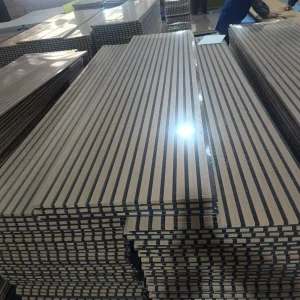
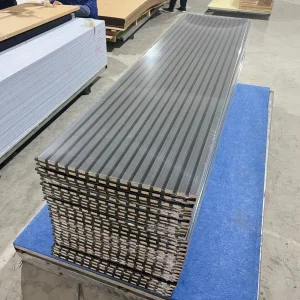
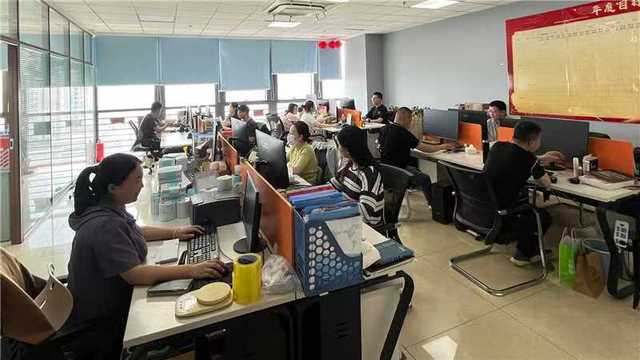
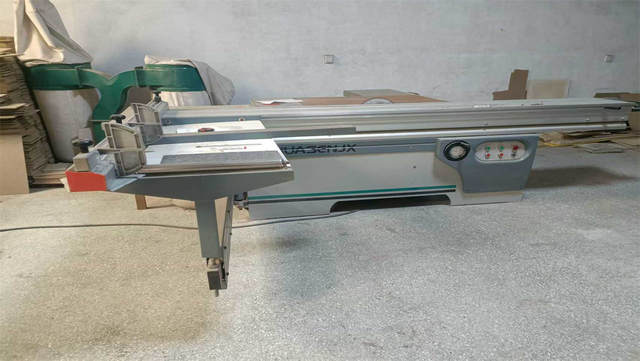
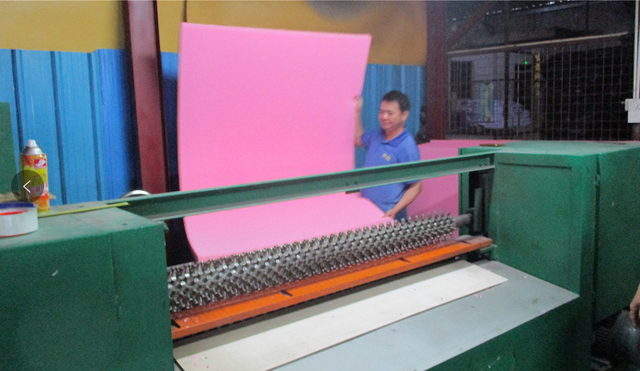
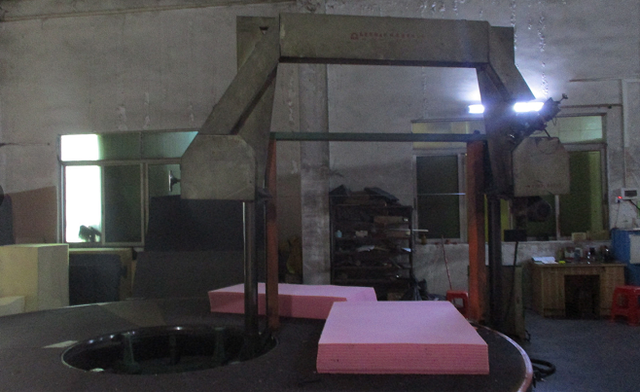
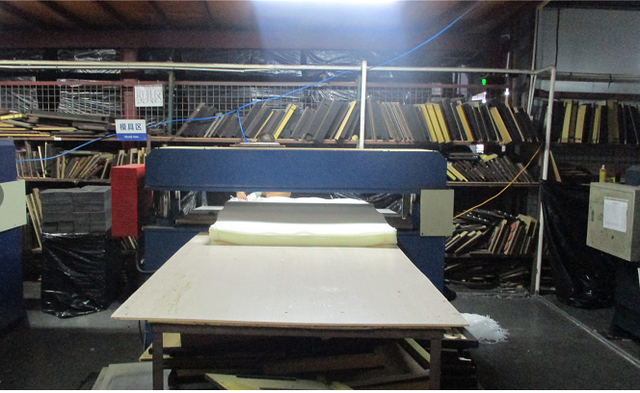
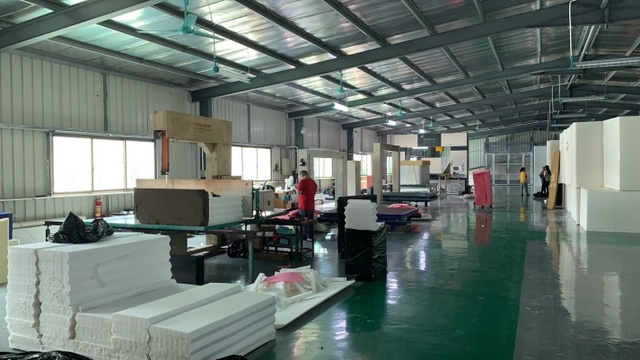
State-of-the-art Dongguan Production Line Facility
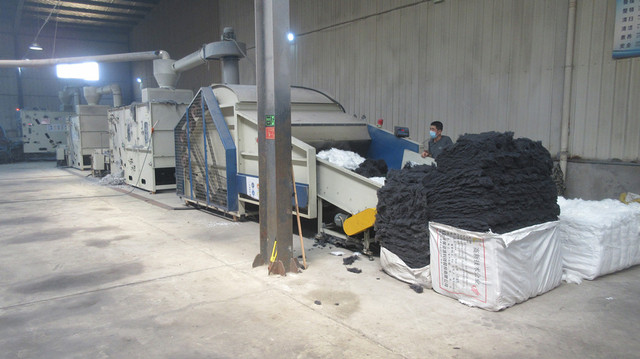
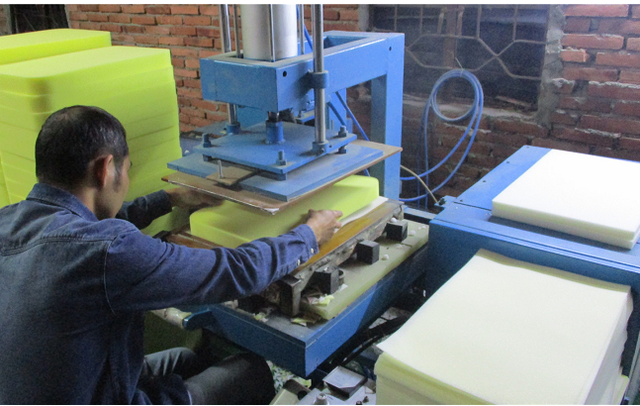
Precision hot-press lines ensuring dimensional stability and uniform density
As a global acoustic supply chain partner, Dongguan Dubuild Panel Co., Ltd. provides seamless export logistics to Rajshahi and the wider Northern Bangladesh market. Recognizing that large civic projects require strict adherence to delivery schedules, we manage customs documentation and oceanic freight via major regional ports such as Chittagong (Chattogram) or Mongla. From there, inland freight networks transport our acoustic solutions directly to Rajshahi job sites.
We offer our Rajshahi clients tailored OEM/ODM support, allowing local architects to design bespoke shapes, patterns, and density ratings matching the precise functional profiles of institutional buildings, medical facilities, and commercial developments.
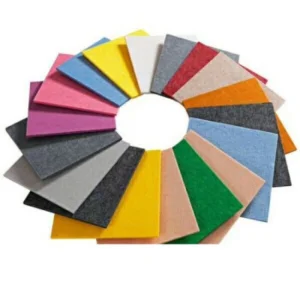
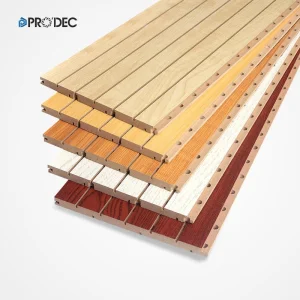
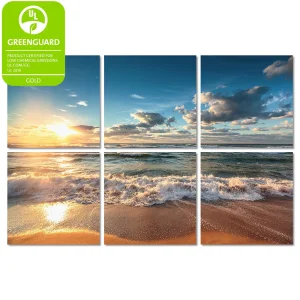
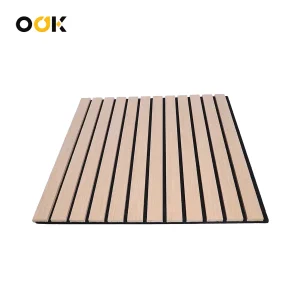
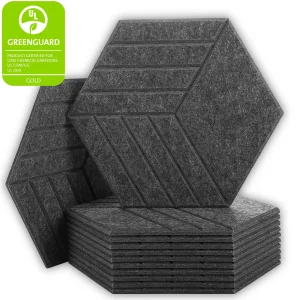
Browse our comprehensive catalog of decorative and technical panels. From fire-retardant commercial acoustic felt to precision-engineered slatted timber designs, we have solutions for every specification.
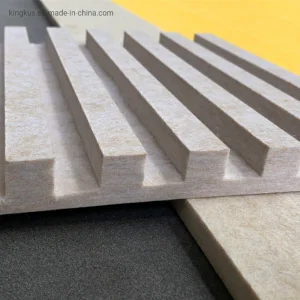

To understand how polyester (PET) acoustic panels minimize reverberation, we must analyze the sound wave's behavior at a molecular level. When an acoustic pressure wave strikes the porous surface of the needle-punched polyester felt, it encounters a network of millions of microscopic, interconnected air pockets. The sound energy is forced to travel through these dense pathways, where friction between the moving air molecules and the polyester fibers converts the kinetic energy of the sound wave into thermal energy.
Traditional materials, such as polyurethane foam, degrade under light, heat, and humidity. In contrast, PET fibers are highly stable polymers that maintain their structural integrity over time. Density is a critical parameter in this process: our 9mm panels are engineered with a density of 1900g/m² (equivalent to approximately 211kg/m³). This high fiber density provides optimal air flow resistance, preventing low and mid-frequency sound waves from passing through without being absorbed.
To achieve maximum absorption across the vocal spectrum (250Hz - 2000Hz), we recommend introducing a dead air space behind the panel. An installation using a 50mm air gap filled with light density backing creates a dual-boundary absorption curve, yielding a tested NRC of up to 0.90. This makes it an ideal solution for conference rooms, recording studios, and public spaces.
Sustainability is a core focus for modern architects and developers. Our panels are made from post-consumer recycled PET bottles, reducing landfill waste and offering a low-carbon alternative to traditional acoustic treatments. The manufacturing process does not use formaldehyde binders, ensuring that our panels meet low VOC emission standards and maintain healthy indoor air quality.
To ensure optimal performance and code compliance in regional projects, installation teams should follow these steps:
Ensure the target wall surface is dry, structurally sound, and free of dust or oils. For brickwork or concrete masonry walls common in Rajshahi, apply a sealing primer to prevent moisture transfer.
Use a high-tack, low-VOC polyurethane construction adhesive. Apply the adhesive in a grid pattern on the reverse side of the PET panel, maintaining a 20mm margin from the outer edges to prevent run-out.
For overhead ceiling installations or heavy MDF wood-slat panels, supplement the adhesive with black-coated brad nails or screws. Drive the fasteners through the polyester felt gaps to keep them concealed.
Standard panels feature straight butt-joints, which require a level line during installation. For a seamless finish, select our chamfer-edged panels, which visually soften joint variations.
 Dubuild Panel