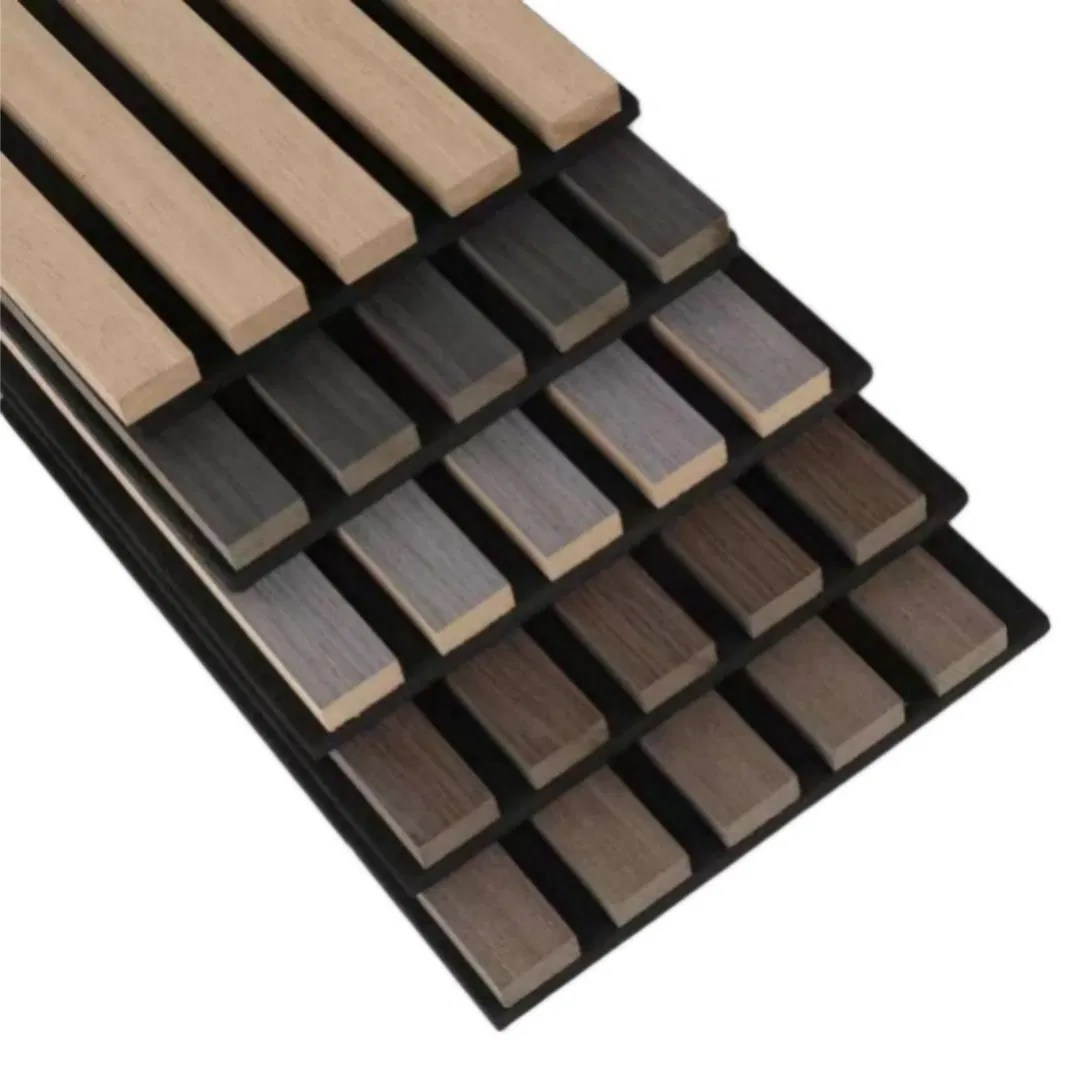
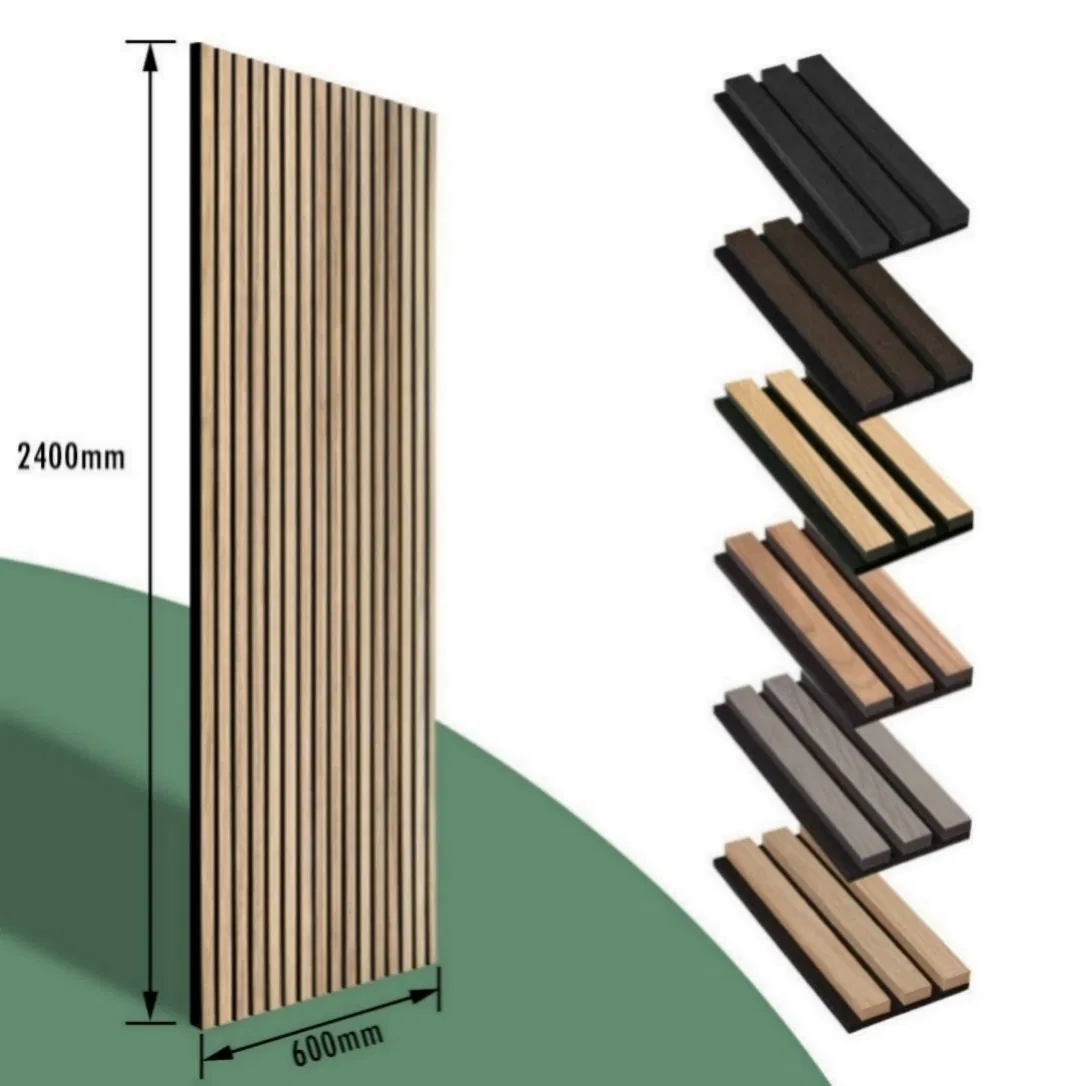
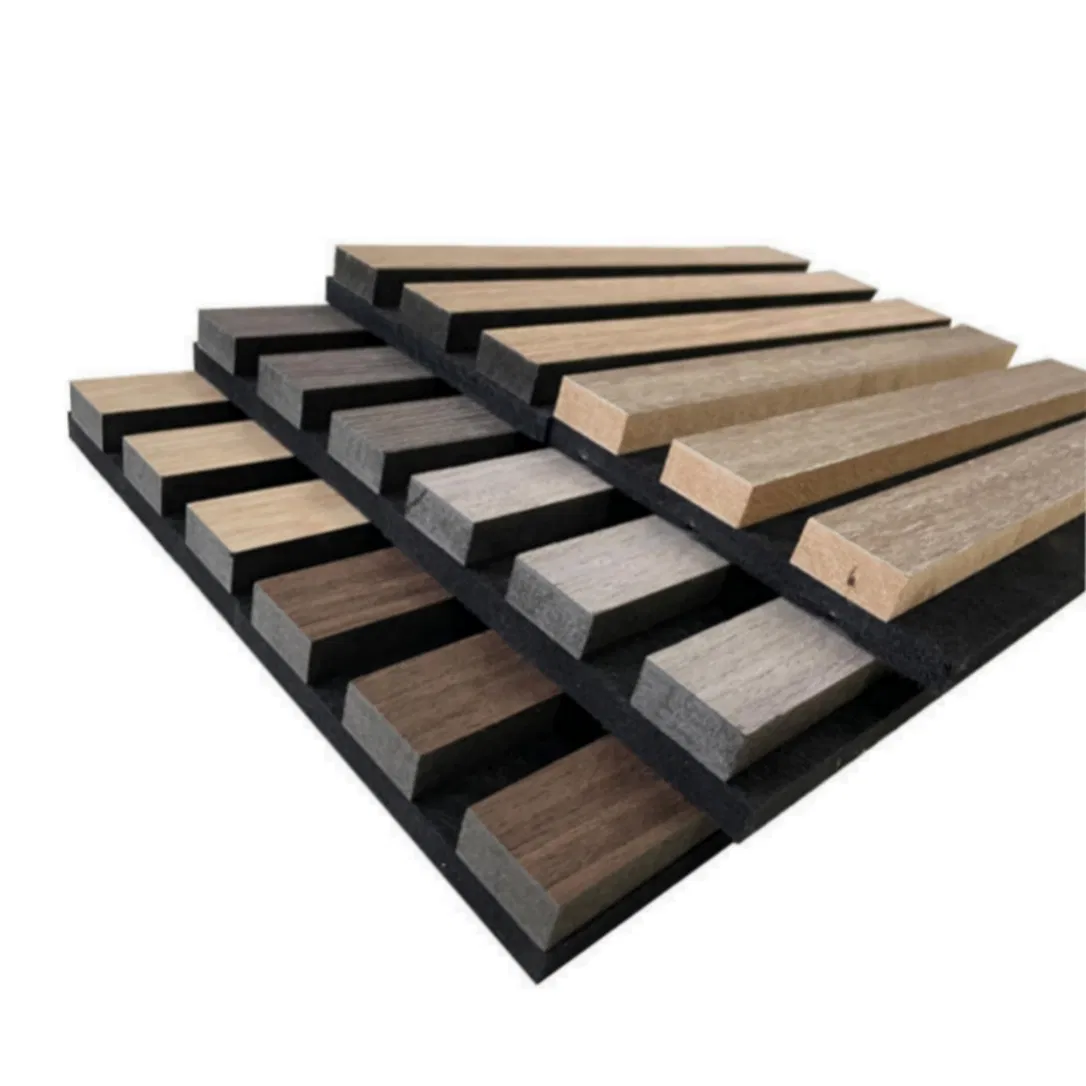
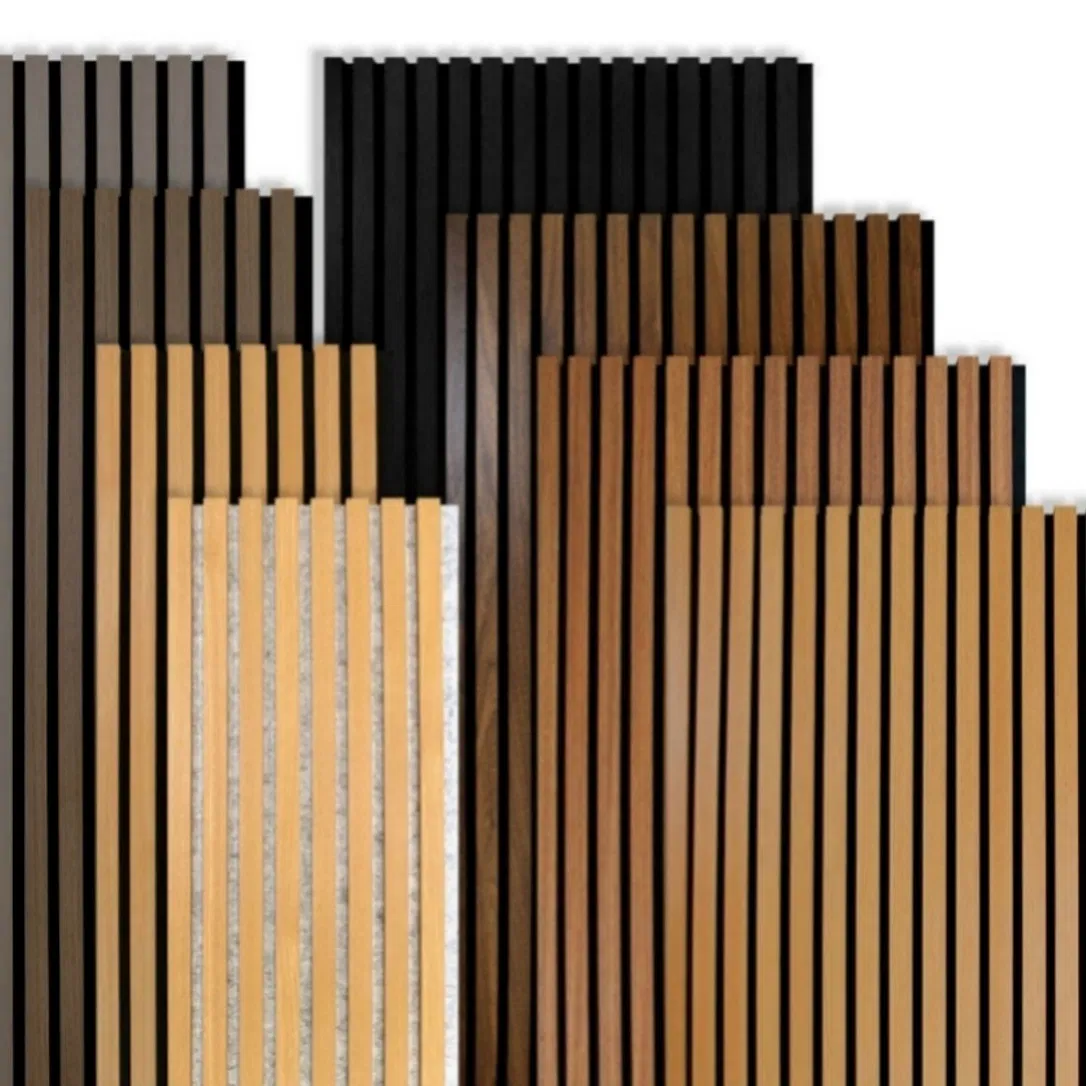
What are acoustic panels, and how do they work?
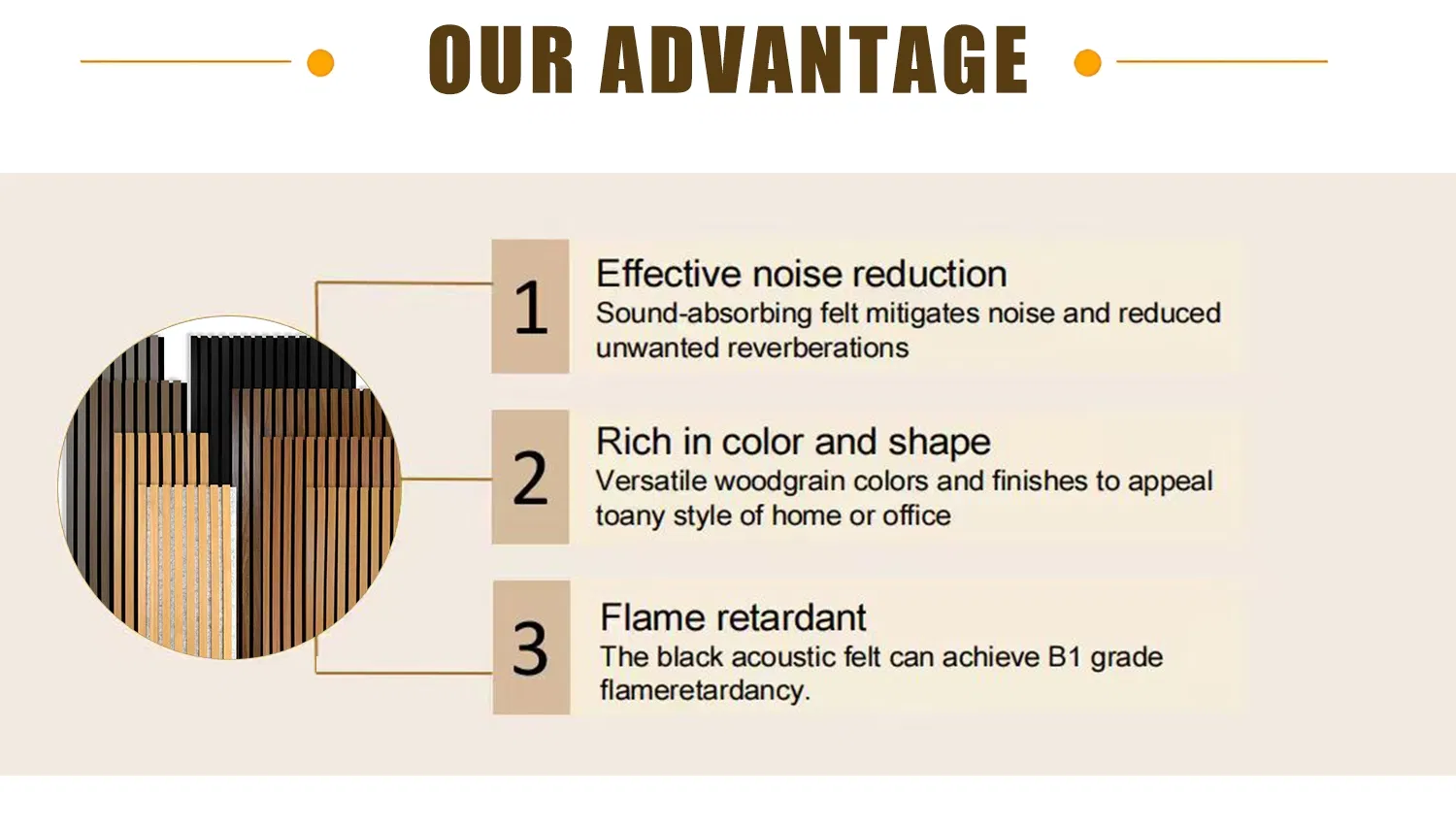
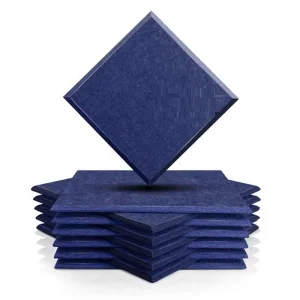
Acoustic panels are decorative materials designed to reduce sound reflection by converting sound energy into heat through porous materials or specialized structures. Their core working principle relies on internal fibers or cavity structures to dissipate sound wave energy, rather than completely blocking sound transmission.
Where are acoustic panels mainly used?
They are suitable for spaces requiring specific acoustic environments, such as open-plan offices, conference rooms, school classrooms, home theaters, restaurants, recording studios, and gyms—anywhere echo control and improved speech clarity are needed.
Are acoustic panels easy to install? Can I install them myself?
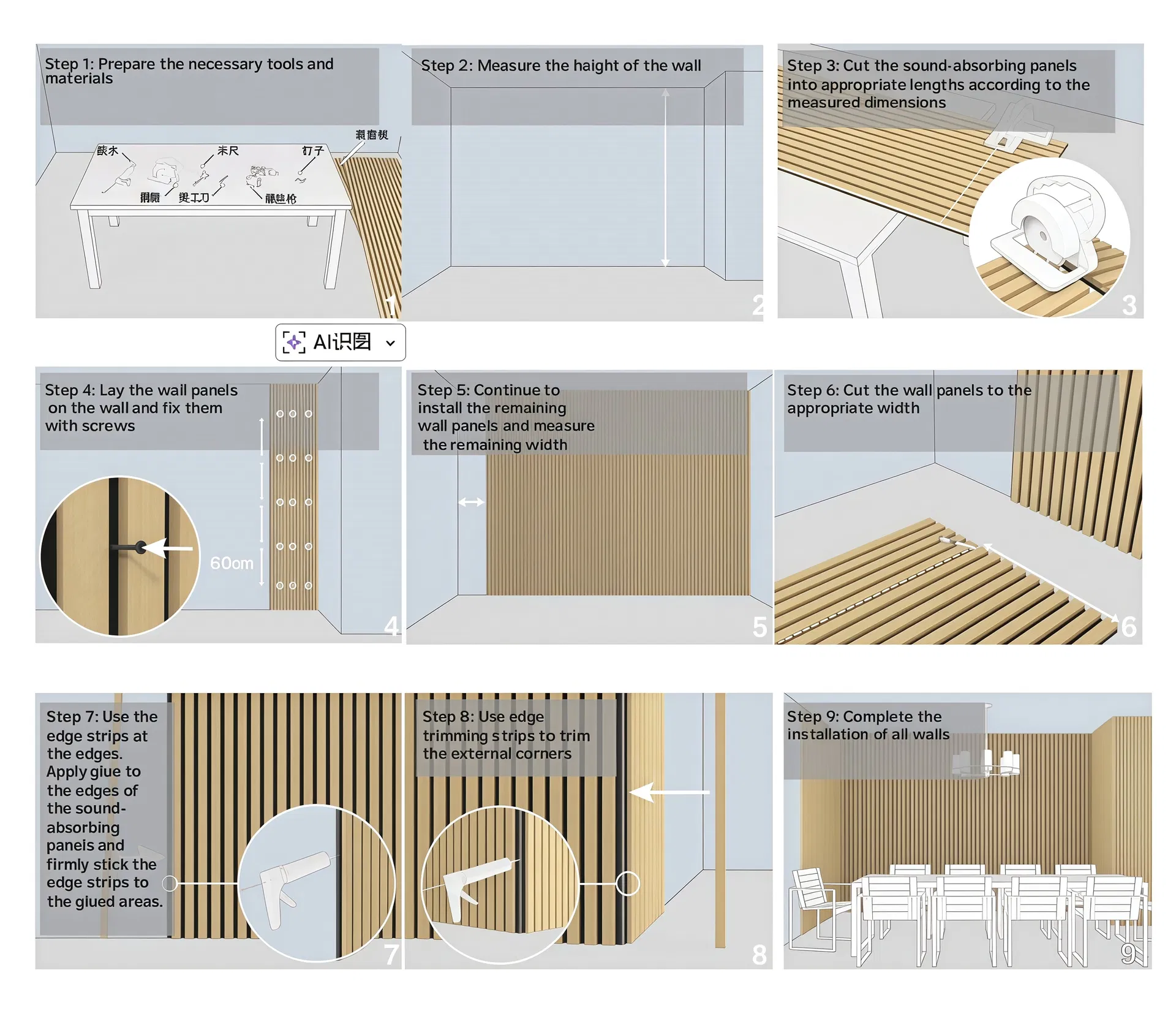
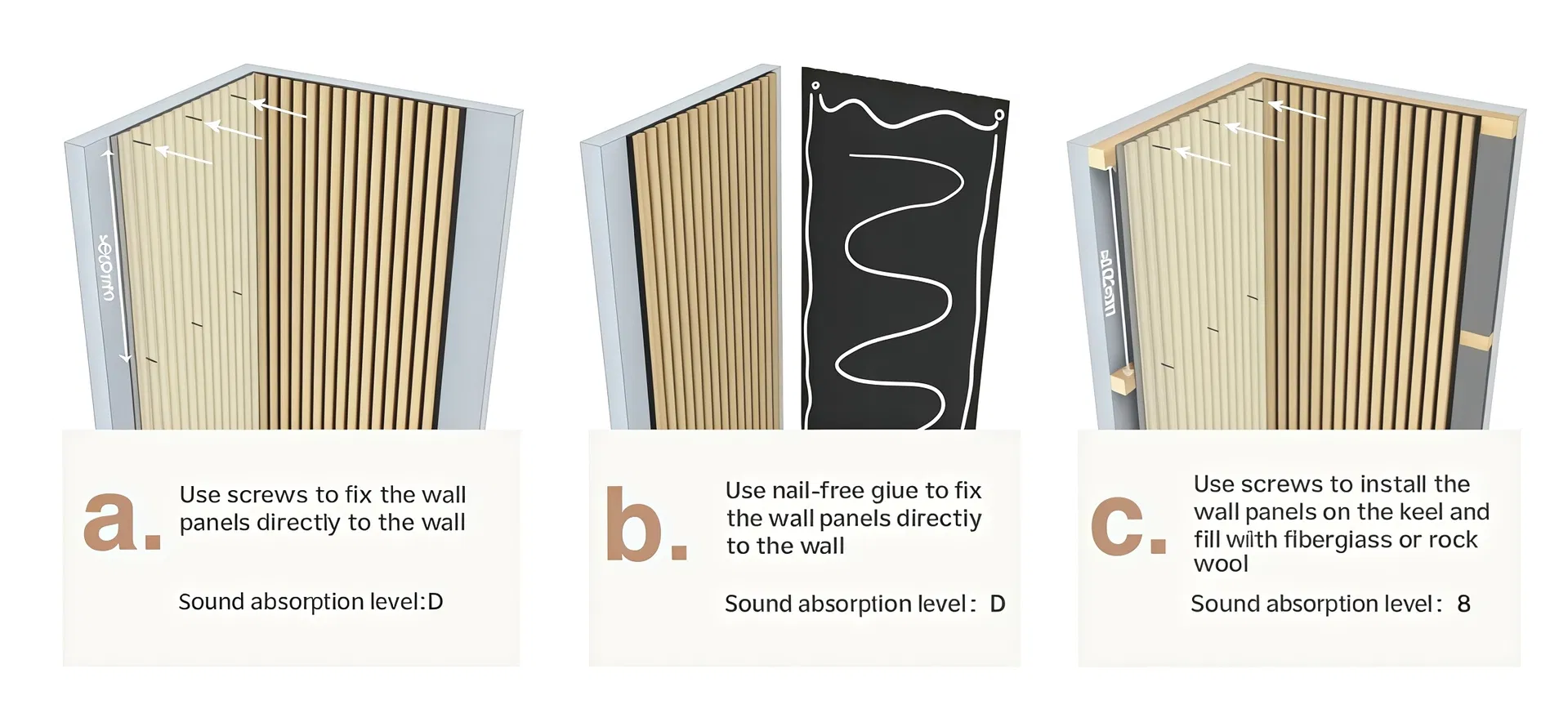
Most acoustic panels support adhesive mounting, hanging, or frame installation. Lightweight panels can be self-installed. However, for large areas or special structures, professional installation is recommended to ensure safety and acoustic effectiveness.
Do acoustic panels really reduce noise effectively?
Acoustic panels primarily target indoor echo and reverberation, significantly improving speech clarity. To block external noise or sound transmission between rooms, they should be combined with sound insulation materials like soundproofing mats or damping boards.
Do acoustic panels require regular cleaning and maintenance?
Yes. Wood or polyester fiber panels can be wiped with a damp cloth; fabric or soft panels can be cleaned with a vacuum. Avoid sharp objects scratching the surface and check installation stability regularly.
What are the environmental certifications for these panels?
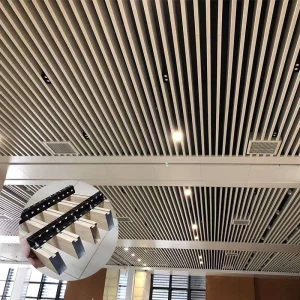
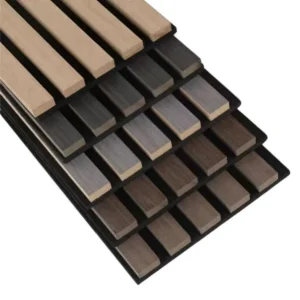
Our wooden slat acoustic panels meet the E0 environmental certification standard, ensuring they are environmentally friendly and safe for interior use in homes and offices.
 Dubuild Panel