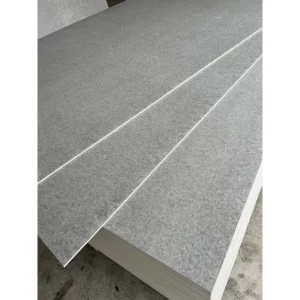
Dubuild Panel
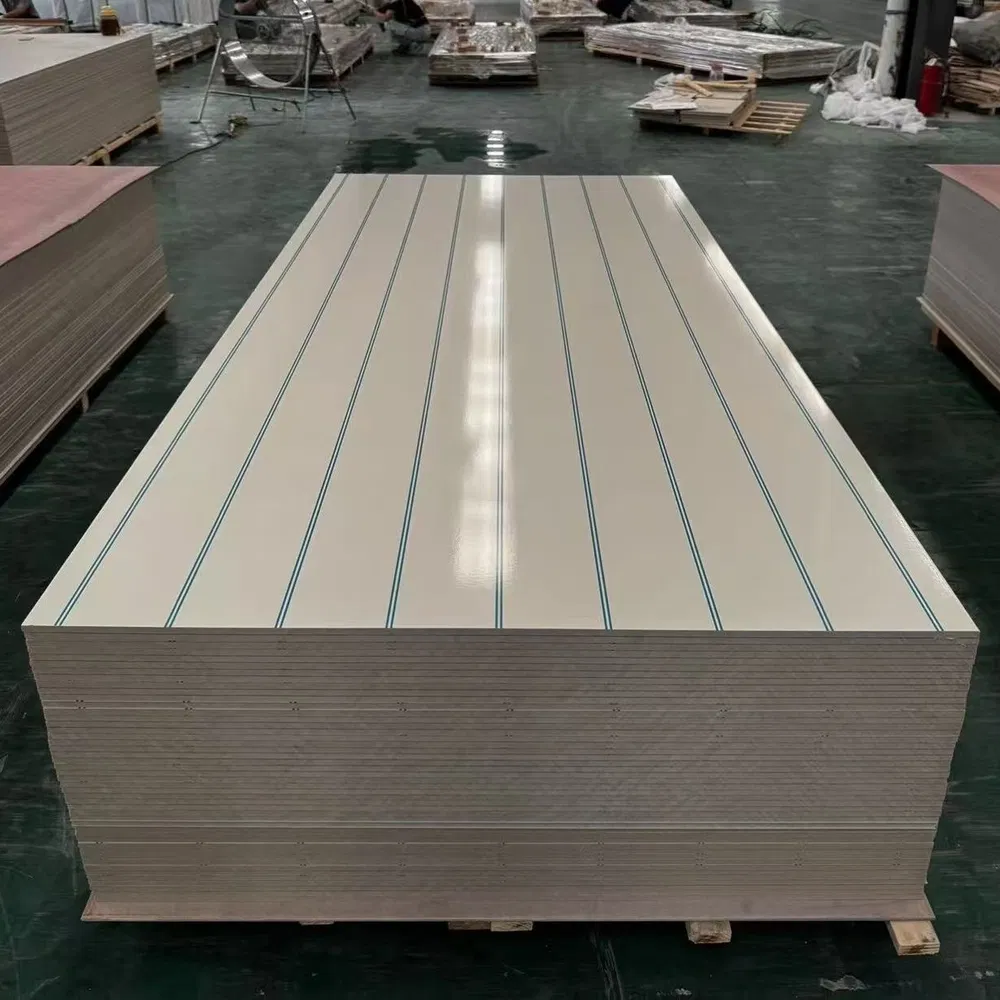
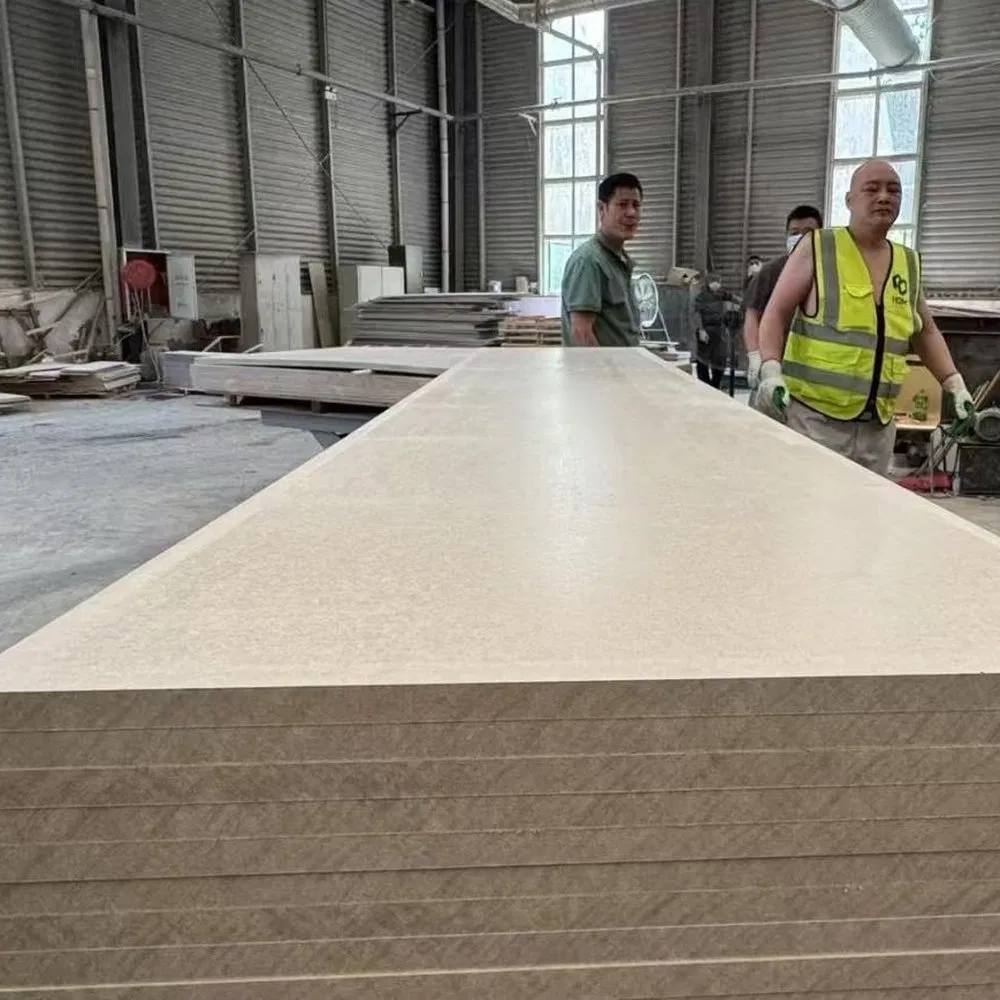
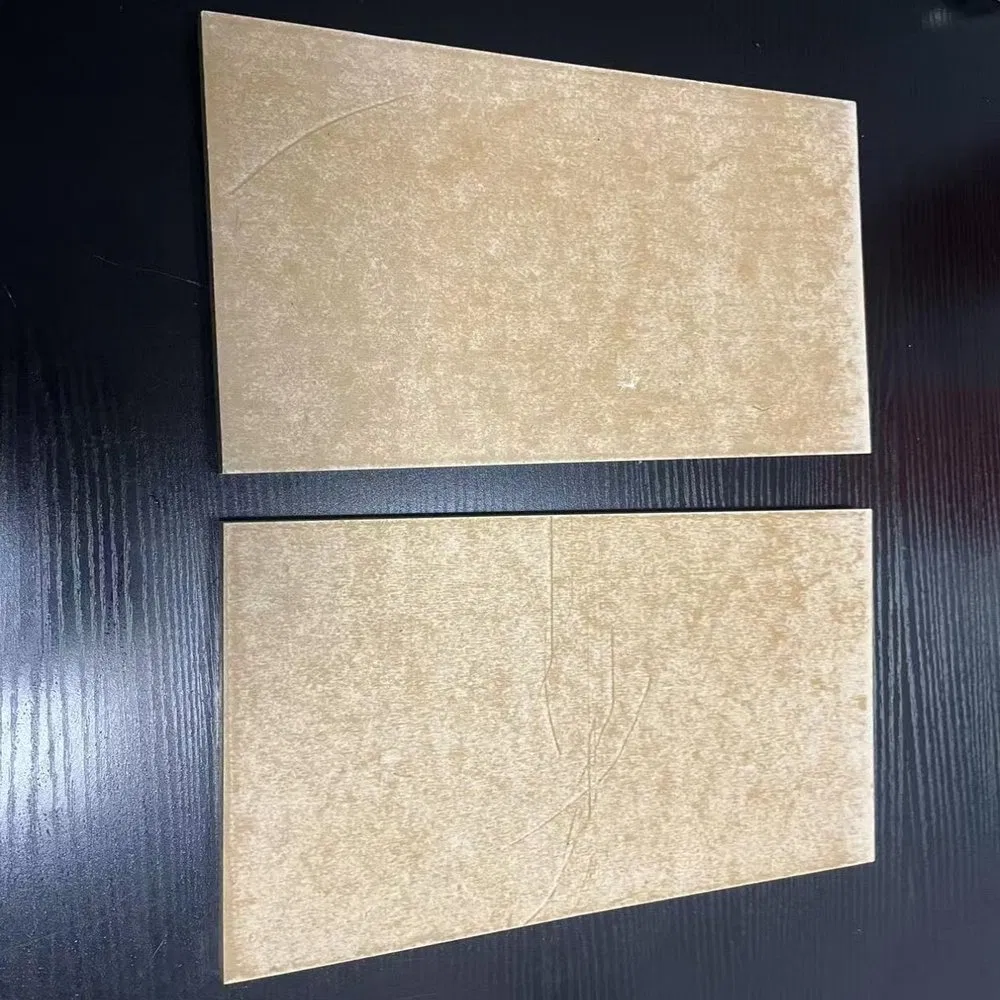
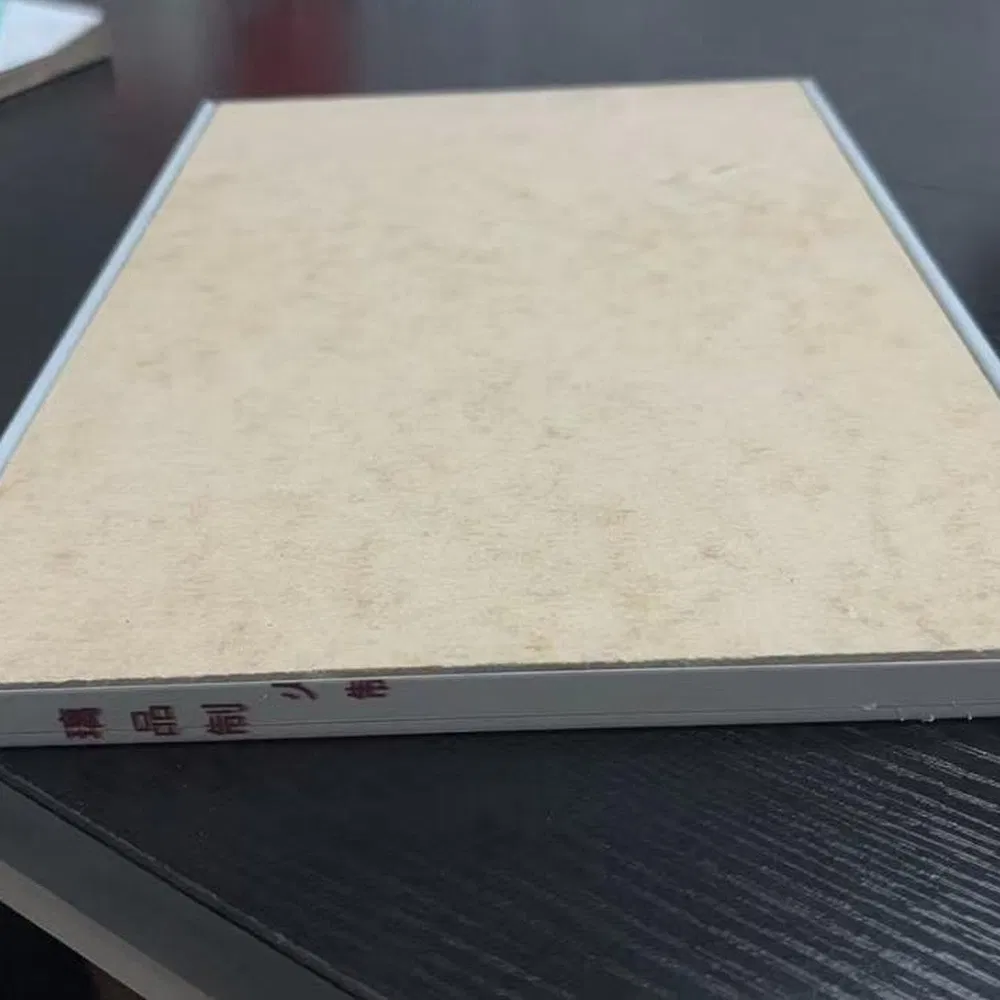
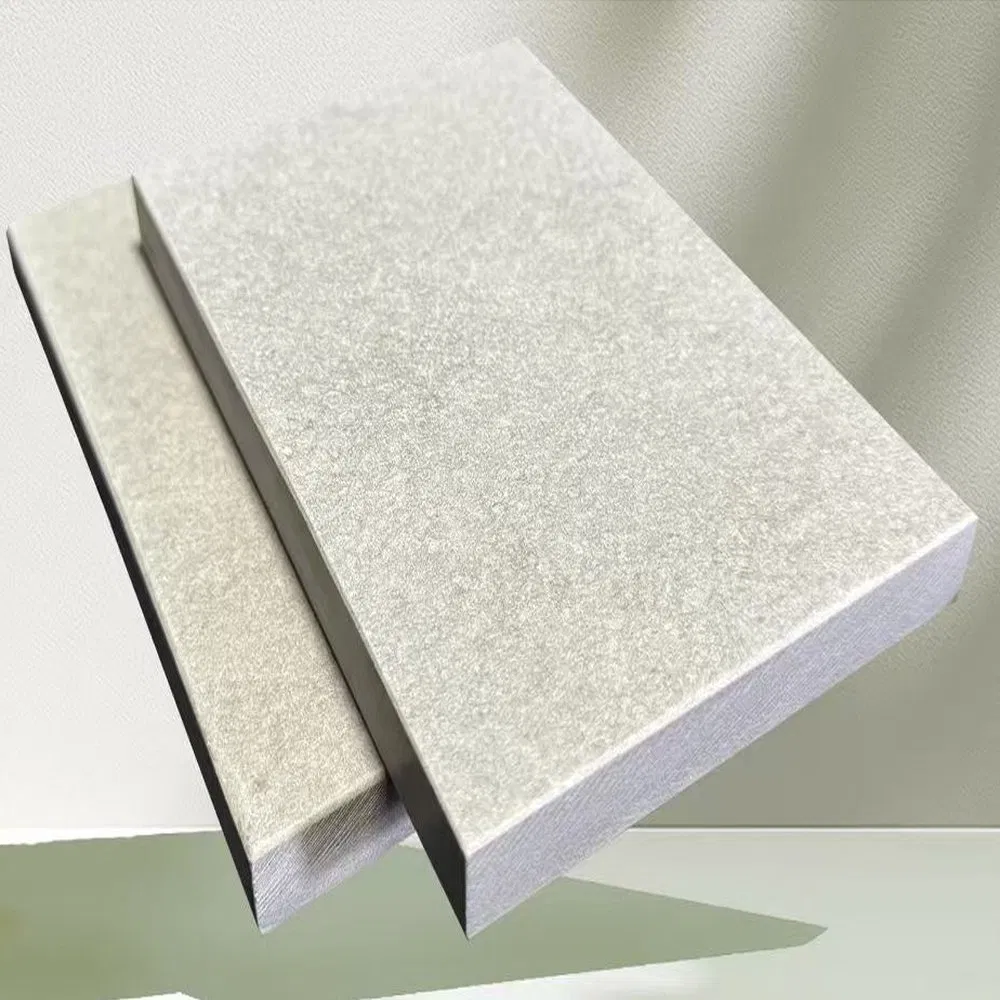
1 / 5
| Model NO. | Fiber Cement Board |
| Product Name | Fiber Cement Siding Board |
| Keywords | Decorative Fiber Cement Board |
| Thickness Range | 4-30mm |
| Density | 1.2-1.8g/cm3 |
| Moisture Content | ≤10% |
| Thermal Conductivity | 0.25-0.35W/(M.K) |
| Sound Insulation | 35-42dB |
| Surface Texture | Customized |
| Edge Profile | Custom |
| Color Options | Natural |
| Fixing Method | Adhesive Bonding, Screw Fixing |
| Application Range | External Cladding, Interior Walls |
| Transport Package | Standard Packaging or Customized |
| Production Capacity | 50000pieces/Year |
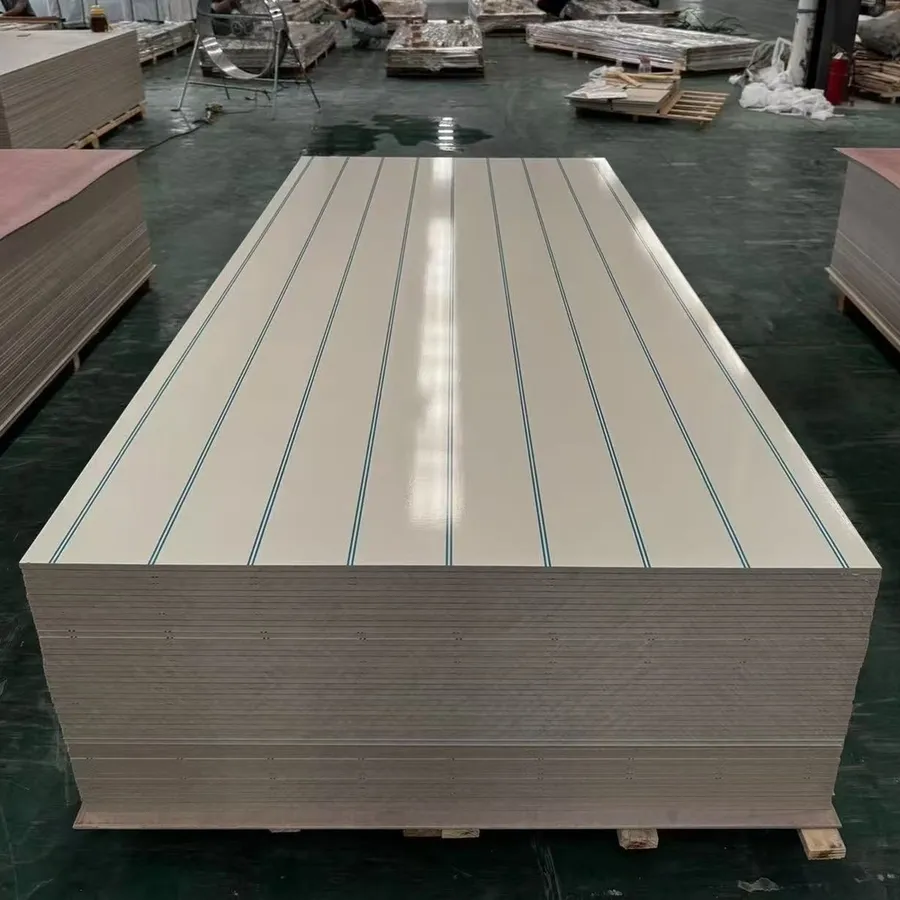
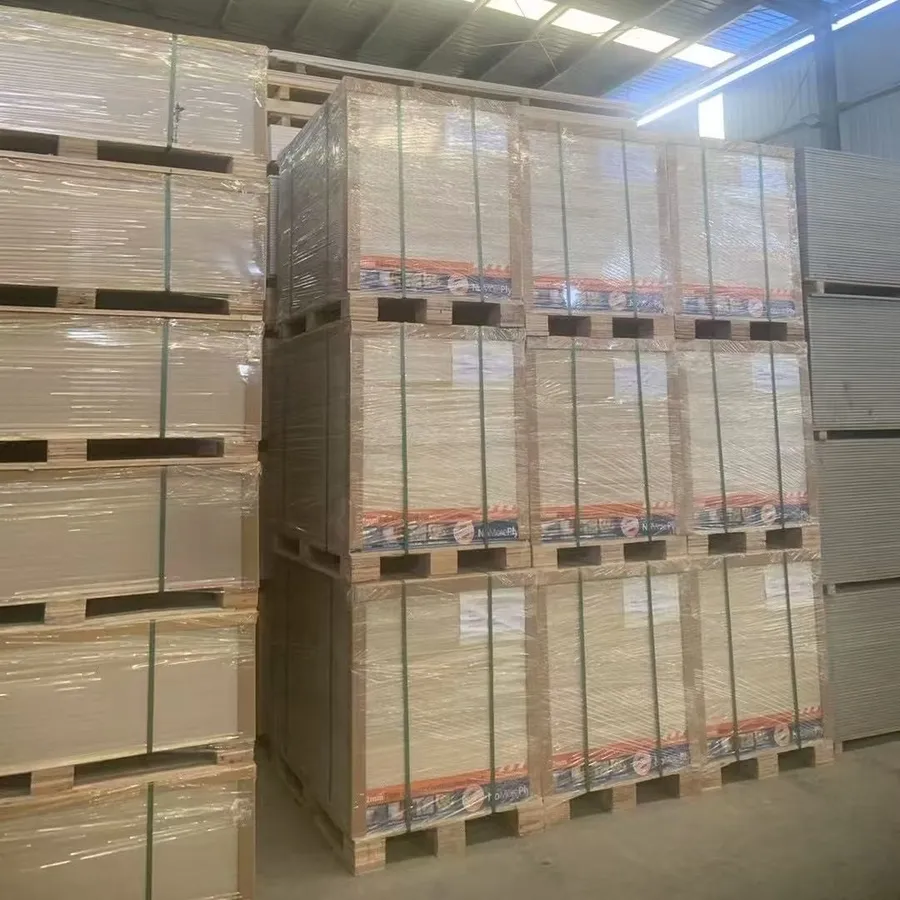
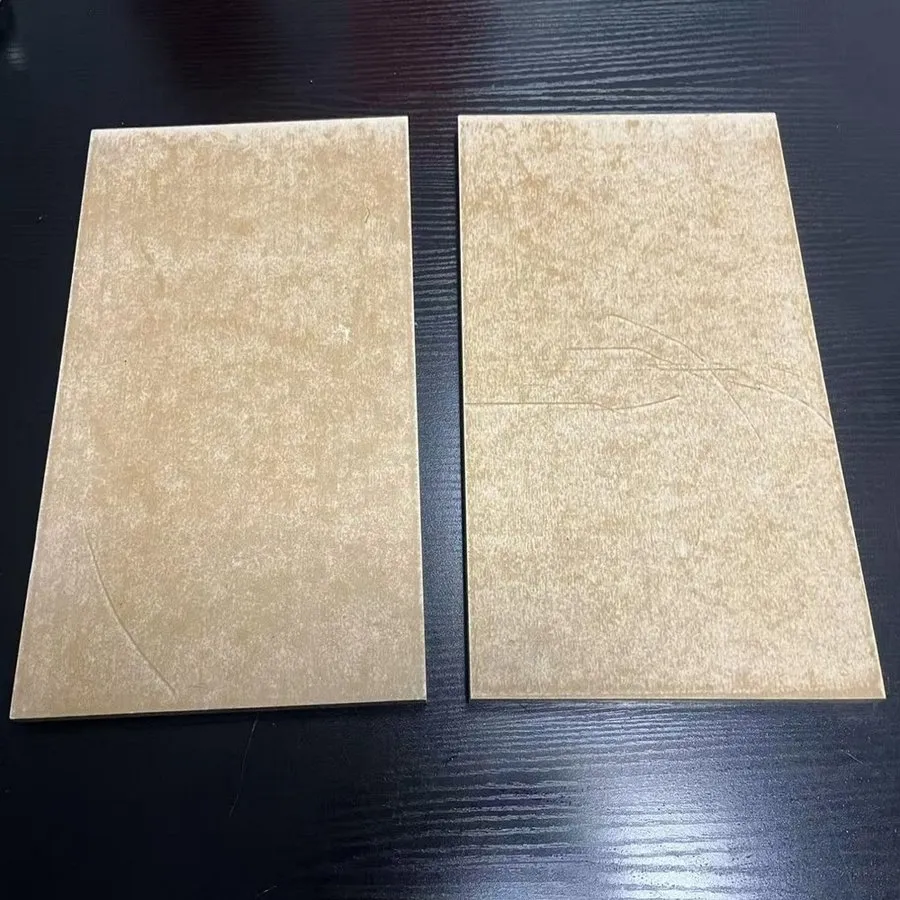
FIBER CEMENT BOARD is a high-performance building material manufactured primarily from fiber and cement. Also known as fiber-reinforced cement board or decorative explosion-proof board, its superior properties make it an essential component in modern construction.
Depending on the fiber type, it is categorized as chrysotile fiber or asbestos-free (pulp, wood chips, or glass fiber) cement board. Production methods include non-pressurized and pressurized molding for varying density requirements.
Most boards use asbestos fibers (chrysotile fiber cement board). Non-asbestos versions utilize paper pulp, wood chips, or glass fiber as reinforcement.
Available in low (0.9-1.2 g/cm³), medium (1.2-1.5 g/cm³), and high density (1.5-2.0 g/cm³). High-density boards are preferred for steel exterior walls and high-end floor slabs.
Pressurized boards (fiber cement pressure boards) offer enhanced strength and require specialized industrial presses for production.
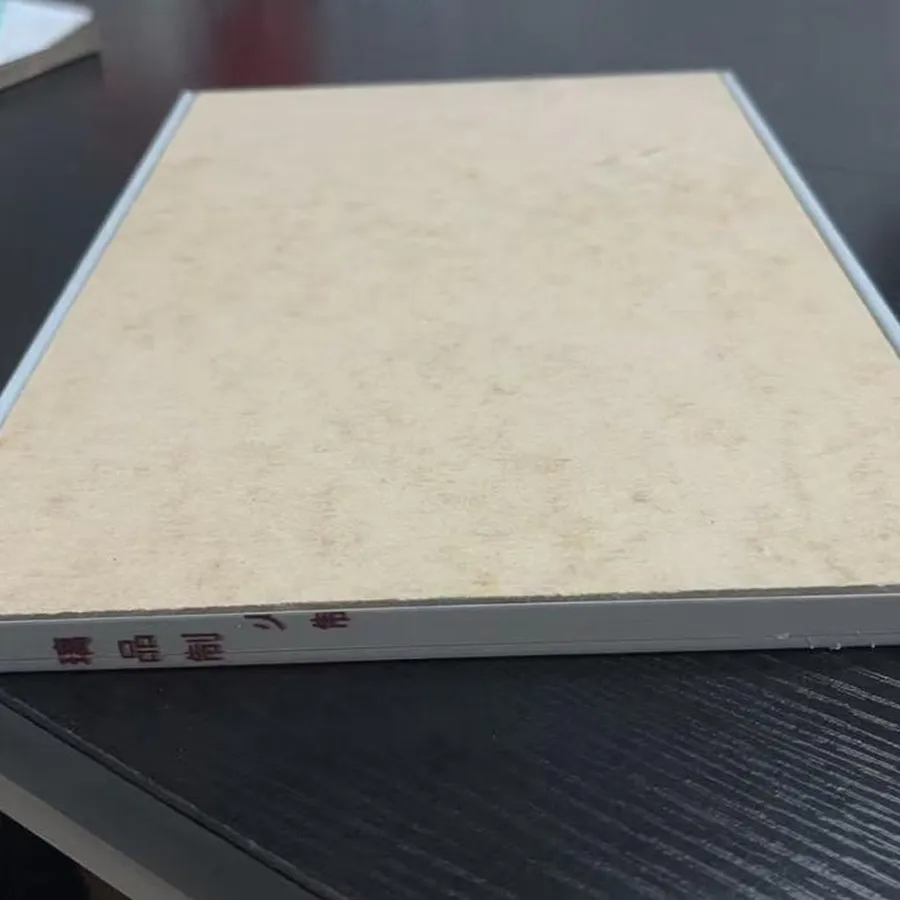
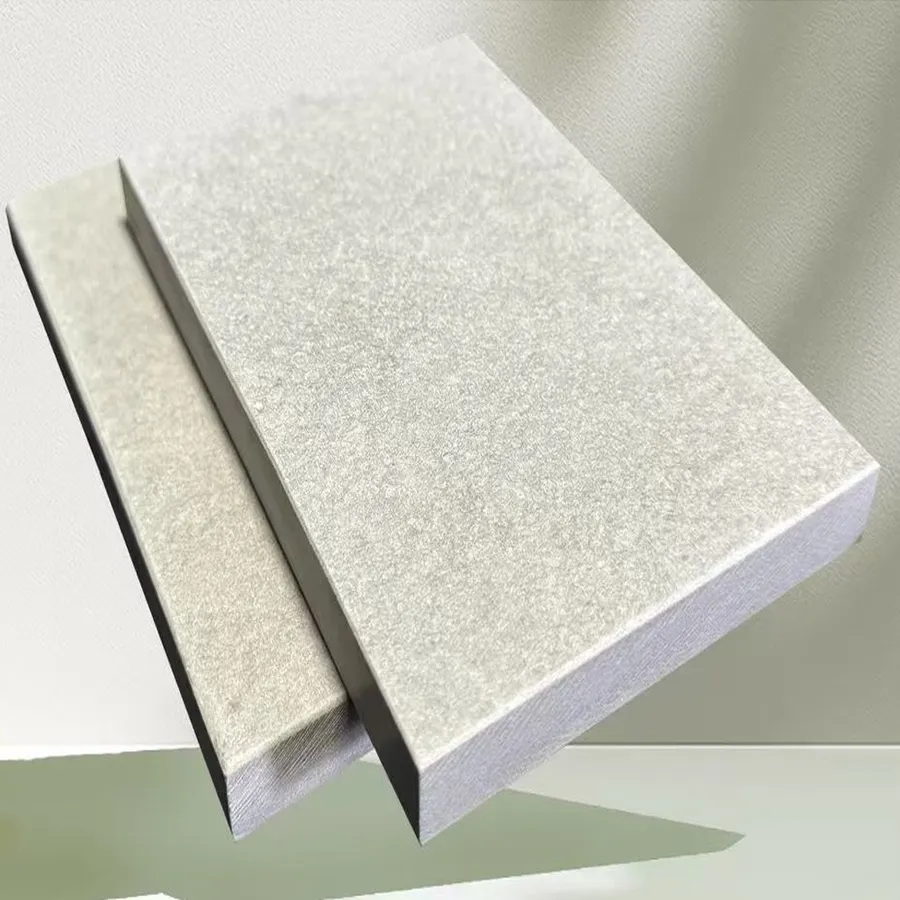
| TECHNICAL PARAMETERS | |
|---|---|
| Product Name | Fiber Cement Siding Board |
| Thickness Range | 4-30mm |
| Density | 1.2-1.8g/cm3 |
| Moisture Content | ≤10% |
| Thermal Conductivity | 0.25-0.35W/(m.K) |
| Sound Insulation | 35-42dB |
| Surface Texture | Customized |
| Edge Profile | Custom |
| Fixing Method | Adhesive Bonding, Screw Fixing |
| Application Range | External Cladding, Interior Walls |
Fire-resistant, moisture-proof, and UV-stable. Ideal for harsh weather conditions in both interior and exterior applications.
High-density construction with extended lifespan. Superior structural strength compared to traditional building materials.
Minimal upkeep required. Installation time can be reduced by up to 35% compared to traditional methods.
Suitable for siding, roofing, interior walls, and various residential or commercial architectural designs.