Explore our top-tier CE certified products manufactured to target strict noise reduction coefficients and provide exceptional environmental acoustic isolation.
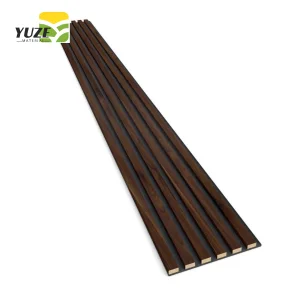
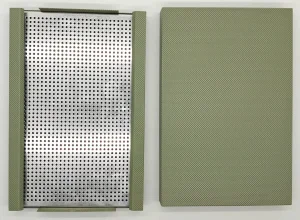
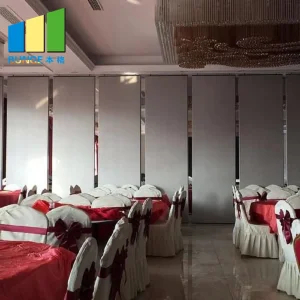
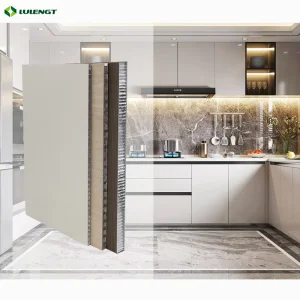
Dongguan Dubuild Panel Co., Ltd. is a professional Acoustic Wall Panel Manufacturer specializing in the design, development, and production of high-performance soundproof panels and noise control solutions for global markets. With its manufacturing base located in the dynamic industrial hub of Dongguan, China, Dubuild Panel integrates advanced production technology, strict quality control, and innovative acoustic engineering to deliver products that meet diverse architectural and environmental needs.
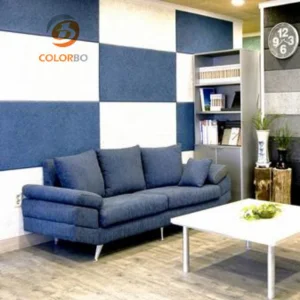
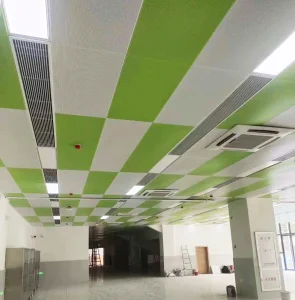
The company's core product portfolio includes a wide range of acoustic wall panels, sound-absorbing boards, and noise-reduction systems tailored for commercial, residential, hospitality, and institutional applications. These solutions are engineered to improve interior sound quality by minimizing echo, reducing noise transmission, and enhancing acoustic comfort in spaces such as offices, studios, auditoriums, conference rooms, and public venues.
Committed to excellence, Dubuild Panel emphasizes customization and performance, offering clients flexible design options, material selections, and finishes that align with both functional and aesthetic requirements. With a focus on sustainability, the company utilizes environmentally responsible materials and adheres to international standards throughout its manufacturing process. Through its dedication to innovation, quality, and customer satisfaction, Dongguan Dubuild Panel Co., Ltd. has established a reputation as a reliable partner for architects, designers, and acoustic professionals seeking effective noise control and superior acoustic solutions.

Industrial noise mitigation is transitioning from a regulatory burden to a productivity-focused interior architectural necessity. Our systems address strict compliance frameworks.
Modern building initiatives, including LEED v4, BREEAM, and the EU Energy Performance of Buildings Directive (EPBD), are changing modern architecture's expectations for indoor environmental quality (IEQ). High-performance sound insulation is no longer merely decorative; it is a core prerequisite. Sound absorbing surfaces must achieve Class A or Class B absorption (EN ISO 11654) while maintaining low VOC emissions and a low carbon footprint.
Traditional thick fiberglass cores are being replaced by lightweight acoustic sandwich structures. Innovations like microperforated aluminum honeycombs provide dual functionality: structure and acoustics. Using sub-millimeter perforations, sound waves undergo viscous friction loss directly inside the honeycomb air cavity, delivering high sound damping across low-to-mid ranges without relying on hazardous chemical binders.
Our manufacturing line produces composite wood wool, polymer fiber matrices, and engineered metal grids that carry fire-safety certifications and verified Sound Transmission Classes (STC).
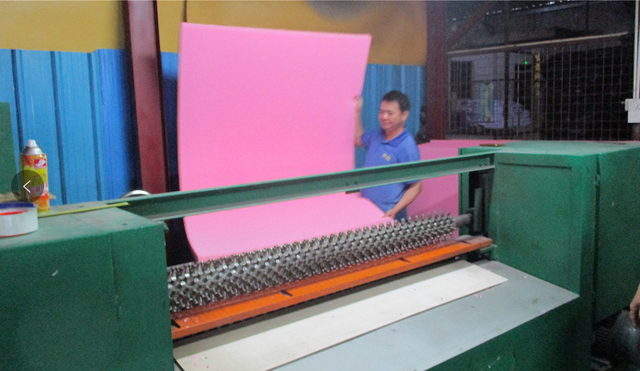
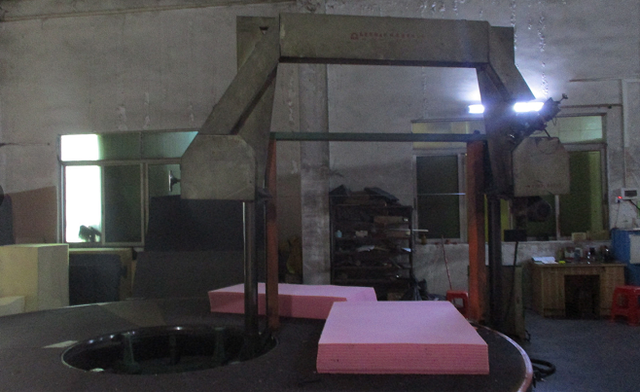
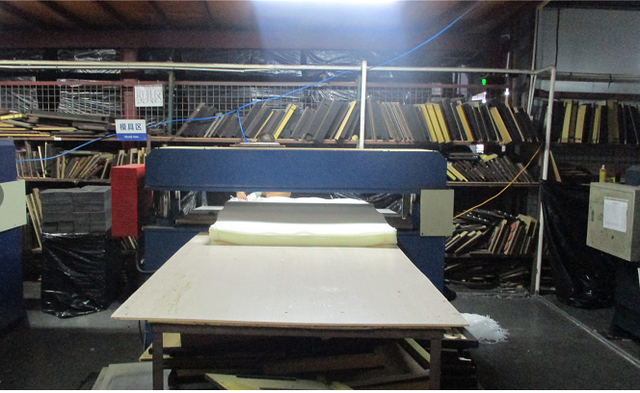
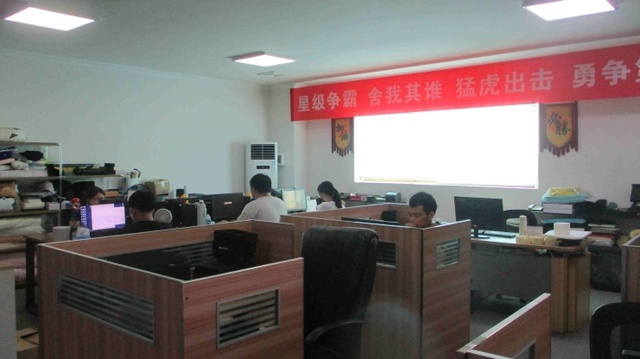
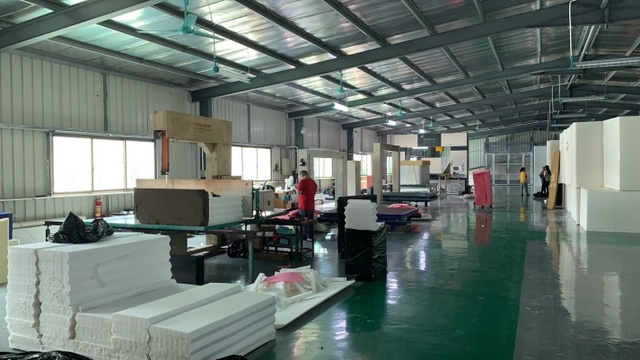
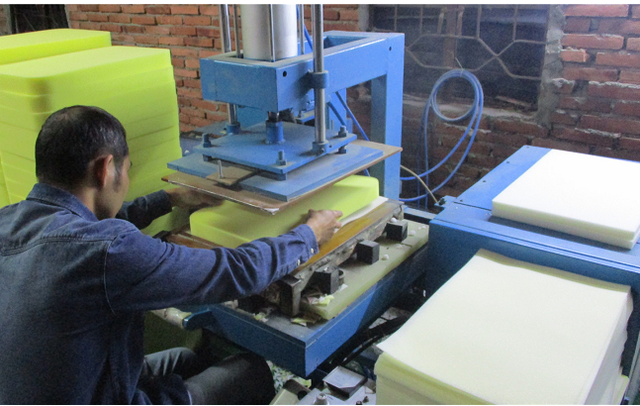
Our path of materials research and mechanical development ensures compliance with the strict safety standards of the modern architectural industry.
Acquiring comprehensive CE certifications according to EN 13964 standards for suspended ceilings and EN 14041 for wall-coverings. Achieving fire safety standards Class B-s1, d0, and zero-formaldehyde emission ratings.
Integrating wood wool, low-density cement binders, and recycled PET polymer matrices. Development of hybrid acoustic systems combining membrane absorption with micro-perforated metal panels.
Embedding dynamic insulation configurations and acoustic panel arrays designed to adapt to real-time conference call and multi-zone open-office environments.
We design custom solutions tailored to structural requirements, aesthetic designs, and targeted noise isolation frequencies.
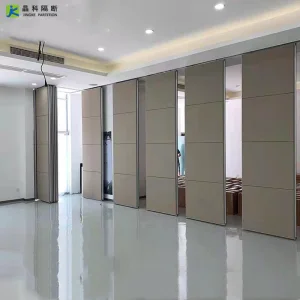
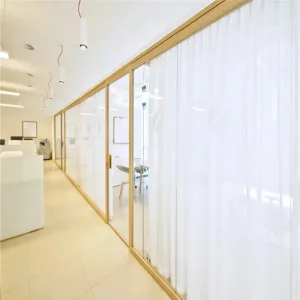
Using sliding, folding operable walls with dense internal soundproofing barriers, we achieve high sound transmission class (STC 50+) properties, allowing adjacent conference spaces to operate concurrently without sound disturbance.
High-density open-cell polyurethane foam and fiberglass panels prevent flutter echoes, clean up low-frequency muddy resonances, and ensure flat frequency response environments for recording engineering.
Our modular acoustic desk screen clamps and ceiling clouds absorb reflected sound waves, decreasing overall noise floor and increasing conversational privacy between neighboring open office workspaces.
Answers to common structural design questions, raw material queries, and testing standards from our engineering team.
NRC (Noise Reduction Coefficient) measures sound absorption inside a room (reducing echo/reflection). STC (Sound Transmission Class) measures sound isolation from room to room. Our composite partition panels focus on both high STC to block incoming sound and high NRC surfaces to control internal reverberation.
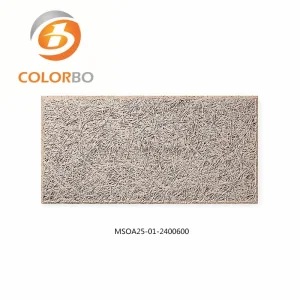
Wood wool acoustic panels are constructed of natural wood fibers bonded with Portland cement. The resulting porous structure traps airborne pressure waves, converting kinetic energy into thermal energy via air friction within the internal pathways.
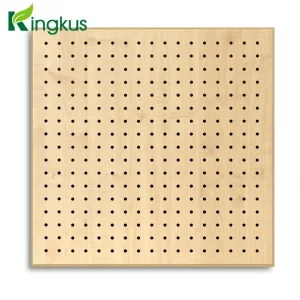
Microperforated metal panels use thousands of tiny laser holes. As sound passes through, it loses energy through friction against the edge of these holes. Backed by a small air gap or fiber layer, they provide broadband sound absorption without fibers escaping into cleanrooms or server rooms.
Our manufacturing systems align with standard EN 13964 for suspended ceilings and EN 14306 / EN 13162 for building thermal and acoustic insulation. This includes strict tests for reaction to fire (Class A/B), formaldehyde emissions (Class E1), and mechanical load resistance.
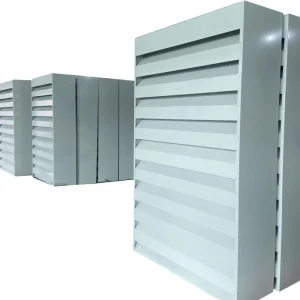
Select from our modular ceiling frameworks, sliding glass partitions, polyester fibers, and louvers designed to integrate into complex architectural projects.

 Dubuild Panel