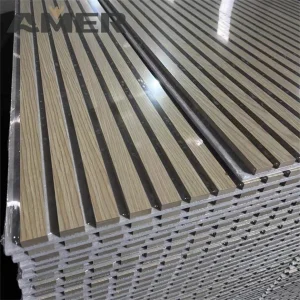
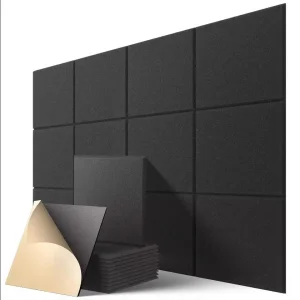
In the modern era of rapid urbanization, high-density residential developments, and industrial automation, noise pollution has escalated into a major environmental hazard and regulatory challenge. Regulatory bodies, such as the World Health Organization (WHO) and OSHA, have implemented stringent noise exposure standards, identifying noise mitigation not merely as a design luxury but as a core compliance requirement. The global acoustic market is experiencing a paradigm shift towards high-performance soundproofing solutions that integrate structural engineering, thermodynamics, and interior aesthetics.
Historically, sound isolation was achieved solely through heavy structural mass. However, contemporary architectural demands favor lightweight, sustainable, and high-performance materials. As a result, the commercial and industrial demand for customizable OEM/ODM soundproofing components has surged. Modern building codes require acoustic products to pass rigorous testing procedures, ensuring defined Noise Reduction Coefficients (NRC) and Sound Transmission Class (STC) ratings. As global supply networks evolve, companies depend heavily on specialized manufacturing partners who can scale production while guaranteeing adherence to localized ASTM, EN, and ISO fire and structural safety parameters.
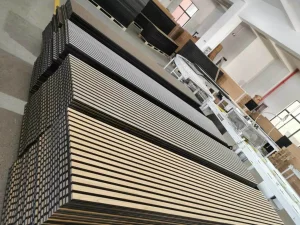
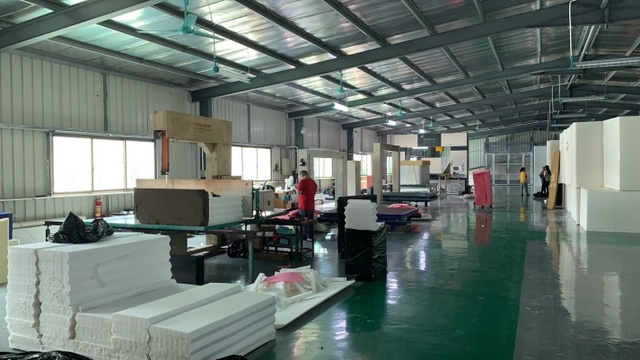
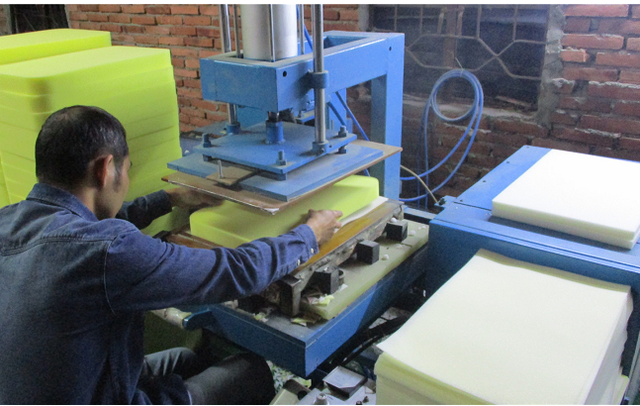
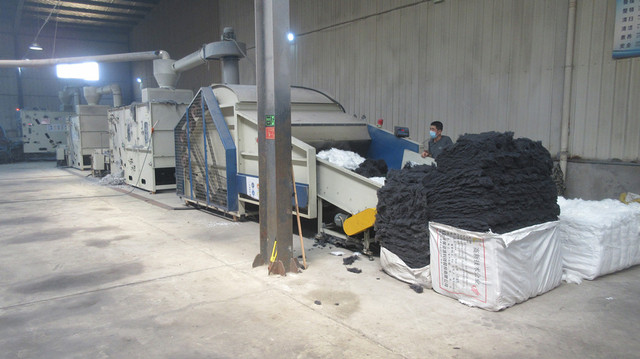
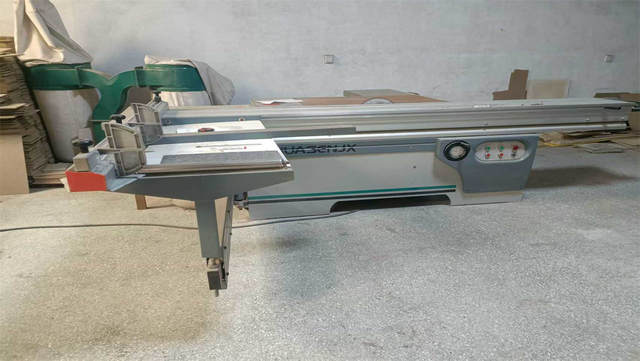
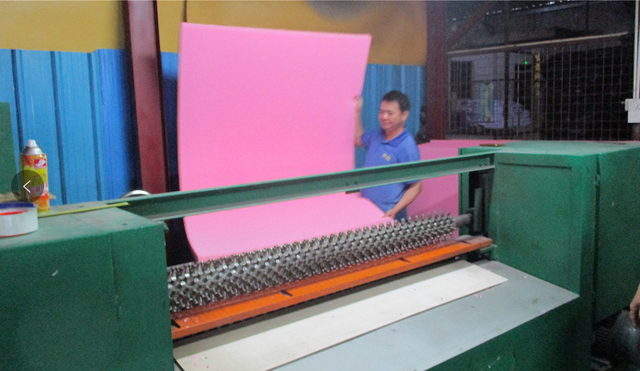
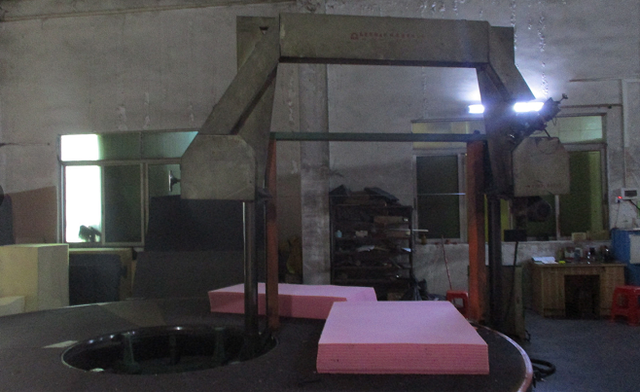
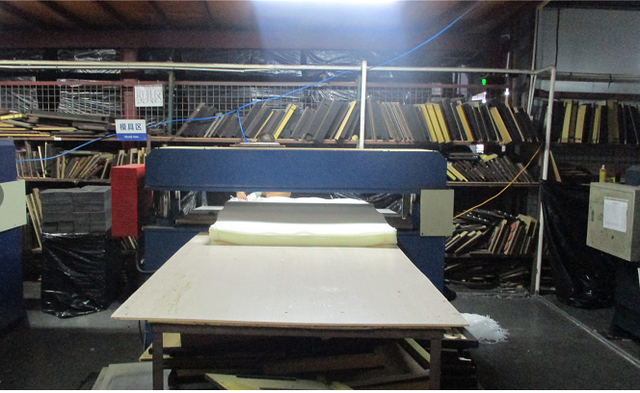
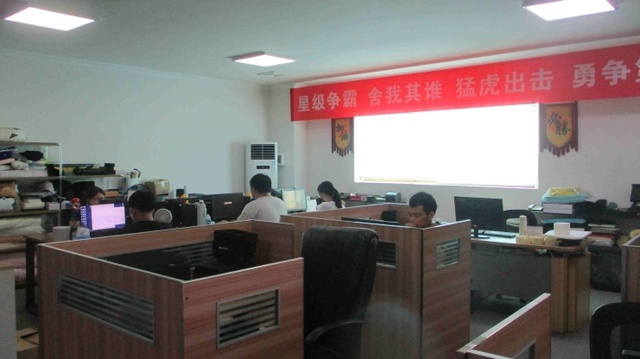
Dongguan Dubuild Panel Co., Ltd. is a professional Acoustic Wall Panel Manufacturer specializing in the design, development, and production of high-performance soundproof panels and noise control solutions for global markets. With its manufacturing base located in the dynamic industrial hub of Dongguan, China, Dubuild Panel integrates advanced production technology, strict quality control, and innovative acoustic engineering to deliver products that meet diverse architectural and environmental needs.
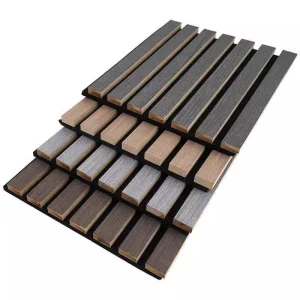
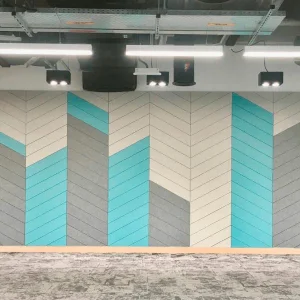
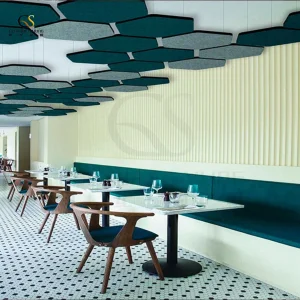
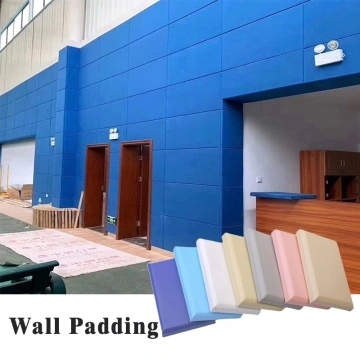
The company’s core product portfolio includes a wide range of acoustic wall panels, sound-absorbing boards, and noise-reduction systems tailored for commercial, residential, hospitality, and institutional applications. These solutions are engineered to improve interior sound quality by minimizing echo, reducing noise transmission, and enhancing acoustic comfort in spaces such as offices, studios, auditoriums, conference rooms, and public venues.
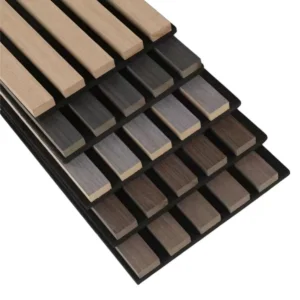
Committed to excellence, Dubuild Panel emphasizes customization and performance, offering clients flexible design options, material selections, and finishes that align with both functional and aesthetic requirements. With a focus on sustainability, the company utilizes environmentally responsible materials and adheres to international standards throughout its manufacturing process.
Through its dedication to innovation, quality, and customer satisfaction, Dongguan Dubuild Panel Co., Ltd. has established a reputation as a reliable partner for architects, designers, and acoustic professionals seeking effective noise control and superior acoustic solutions.
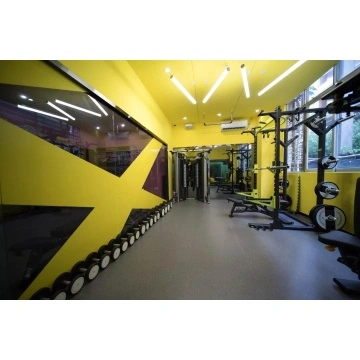

The architectural and industrial acoustic landscape is undergoing swift evolution driven by two major variables: sustainable raw material composition and functional workplace versatility. Commercial developers, particularly in Western Europe and North America, mandate products conforming to zero-formaldehyde emissions and circular economy metrics. Acoustic solutions constructed from recycled Polyethylene Terephthalate (PET) and sustainably sourced wood products are becoming structural mainstays in modern commercial construction.
Concurrently, localized construction frameworks require careful adaptation of product designs. In coastal, high-humidity climates like Southeast Asia, acoustic boards must incorporate specialized anti-microbial and moisture-resistant coatings to prevent wood rot and microbial growth within the cores. Conversely, markets within North America prioritize strict adherence to ASTM E84 Class A fire-spread ratings. A successful OEM/ODM manufacturer must offer customized options for local configurations, modifying core densities, chemical additives, and outer veneers to meet specific regional building regulations without sacrificing sound-absorption parameters.
Engineered core layer structures configured to isolate specific industrial noise frequencies, including low-frequency compressor hums and high-frequency ventilation airflow.
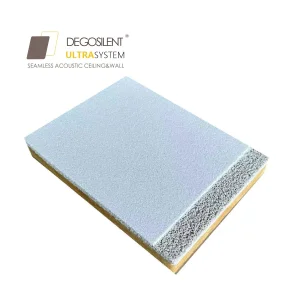
Utilizing certified eco-friendly MDF bases and post-consumer recycled PET bottles. Minimizing toxic chemical emissions and volatile organic compound (VOC) outgassing.
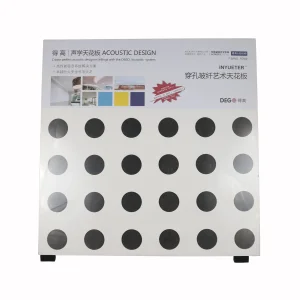
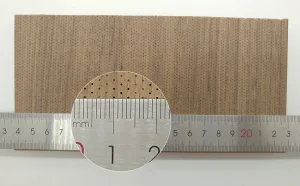
Adapting partition frameworks, micro-perforated profiles, and bespoke sizes. Designed to fit the customized plans of global distribution brands and contractors.
The future of soundproofing solutions rests upon the implementation of smart materials and multi-layered composite microstructures. Currently, our R&D roadmap focuses on acoustic metasurfaces—materials specifically designed to block or redirect sound paths at deep sub-wavelength scales. Traditional acoustic products rely on substantial bulk density to absorb lower frequencies. Emerging technologies aim to achieve equivalent absorption characteristics with structures less than half the weight and thickness.
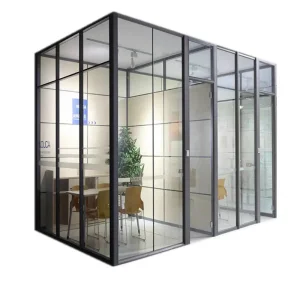
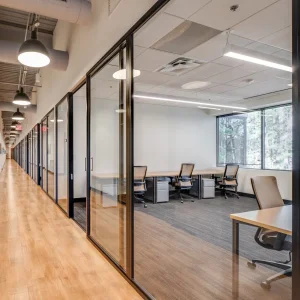
"Acoustic metasurfaces and dynamic partition systems represent the next tier in commercial real estate layouts. By combining high-strength tempered double glazing with soundproofing micro-perforated wood and high-density core board components, spaces can switch from public settings to quiet environments instantaneously."
Furthermore, integration with HVAC components and machinery casings is expanding. Acoustic door panels and machinery enclosures now feature multi-density compound backings capable of operating under high pressure and temperature conditions while maintaining high sound dampening. This ensures server nodes, automation units, and industrial plant operations meet modern municipal and occupational noise restrictions.

 Dubuild Panel