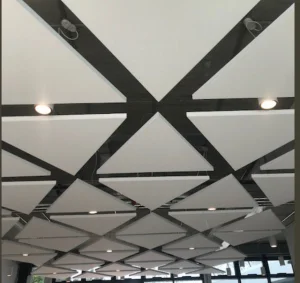
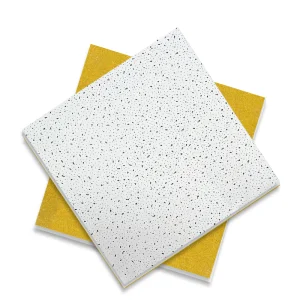
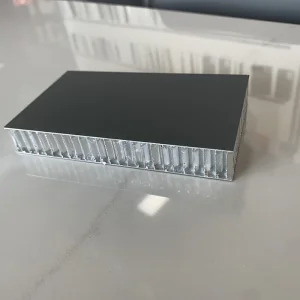
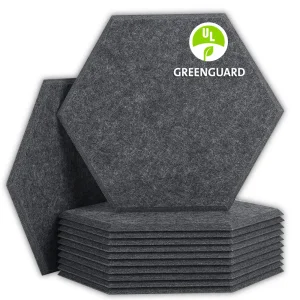
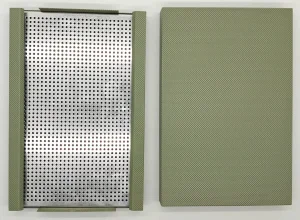
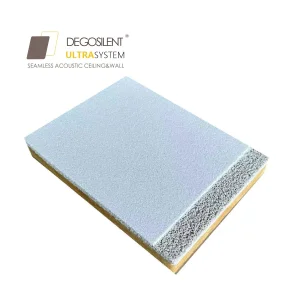
Explore our premium sound absorption & fire-rated acoustic ceiling system portfolio, engineered to meet tropical coastal climate specifications and commercial construction standards.
Analyzing structural acoustical requirements, tropical climate resilience, and modern building codes in Papua New Guinea's capital.
Port Moresby, the economic powerhouse and governmental hub of Papua New Guinea (PNG), is undergoing unprecedented urban and commercial revitalization. From the modern high-rises along the Ela Beach waterfront and the expanding commercial towers in the Town Central Business District (CBD) to the major civic installations in the Waigani Administrative Precinct, modern interior architecture requires high-performance building materials. Among these, acoustic ceiling panels have transitioned from optional interior finishes to mandatory architectural elements essential for occupant productivity, indoor environmental quality (IEQ), and acoustic comfort.
However, procuring acoustic ceiling systems for projects in Port Moresby presents a unique set of engineering challenges. Papua New Guinea's severe tropical maritime climate demands building envelopes and interior suspended ceiling systems capable of enduring constant high relative humidity (often exceeding 85% RH), elevated temperatures, salt-spray exposure from the Coral Sea, and potential seismic activities along the Pacific Ring of Fire. Standard interior mineral fiber ceiling tiles imported without specialized anti-sag coatings quickly suffer from atmospheric moisture absorption, leading to structural sagging, microbial growth, discoloration, and complete acoustic performance failure.
Key Engineering Takeaway for PNG Specifiers: Acoustic ceiling installations in Port Moresby require non-hygroscopic core materials (such as aluminum honeycomb, dense fiberglass, or treated mineral wool), specialized hydrophobic acoustic membranes, and seismic-braced T-grid suspension systems tested in accordance with international standards including ASTM C635/C636 and BS EN 13964.
When selecting ceiling systems for Port Moresby, commercial contractors and architects must address four primary environmental stressors:
High relative humidity causes standard ceiling tiles to absorb moisture, increasing dead load and causing severe center deflection (sagging). Our specialized tropicalized formulations ensure complete structural integrity up to 99% RH at elevated ambient temperatures.
Warm, humid conditions facilitate rapid mold (Aspergillus) and fungal proliferation on organic ceiling surfaces. Our panels feature factory-applied inorganic treatments and antimicrobial biocides that prevent spore growth, guaranteeing clean indoor air.
Located on an active tectonic boundary, Port Moresby structural engineering mandates lightweight ceiling assemblies. Aluminum honeycomb and PET felt solutions reduce overhead dead weight while providing superior shear strength during seismic events.
Comprehensive acoustic performance metrics: Noise Reduction Coefficient (NRC), Ceiling Attenuation Class (CAC), and Reverberation Control (RT60).
In architectural acoustic design, optimizing an interior space requires balancing two fundamental acoustic parameters: Sound Absorption (NRC) and Sound Attenuation/Blockage (CAC).
1. Noise Reduction Coefficient (NRC): NRC measures the amount of sound energy absorbed by a material upon impact, rated on a scale from 0.00 (total reflection) to 1.00+ (total absorption). In high-occupancy environments such as open-plan government offices in Waigani or call centers in Downtown Port Moresby, maintaining an NRC between 0.70 and 0.90 is crucial to reduce ambient speech reverberation and lower background noise levels.
2. Ceiling Attenuation Class (CAC): CAC measures a ceiling system's ability to act as a barrier to airborne sound transmission between adjacent enclosed spaces through a shared plenum space. A higher CAC rating (CAC 35–45 dB) prevents confidential conversations in executive boardrooms or legal suites from leaking into neighboring rooms.
Reverberation Time ($RT_{60}$) is defined as the time required for the sound pressure level to decrease by 60 decibels after the sound source has stopped. Uncontrolled reverberation in large public structures, such as Jackson International Airport terminals or university lecture halls, severely degrades speech intelligibility (STI score).
| Space Application | Target RT60 (Seconds) | Recommended NRC | Recommended CAC |
|---|---|---|---|
| Open Plan Commercial Office | 0.5 - 0.7 s | NRC 0.80 - 0.90 | CAC 35+ dB |
| Executive Conference Room | 0.6 - 0.8 s | NRC 0.75 - 0.85 | CAC 40+ dB |
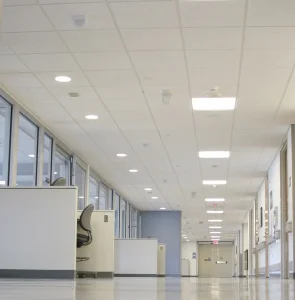
| Hospital & Healthcare Clinic | 0.4 - 0.6 s | NRC 0.70 - 0.80 | CAC 38+ dB |
| Educational Lecture Hall / Auditorium | 0.8 - 1.1 s | NRC 0.85 - 0.95 | CAC 30+ dB |
| Hotel Lobby & Dining Venues | 0.7 - 1.0 s | NRC 0.75 - 0.85 | CAC 32+ dB |
Dongguan Dubuild Panel Co., Ltd. — Premium Acoustic Panel Manufacturer Serving Global Infrastructure
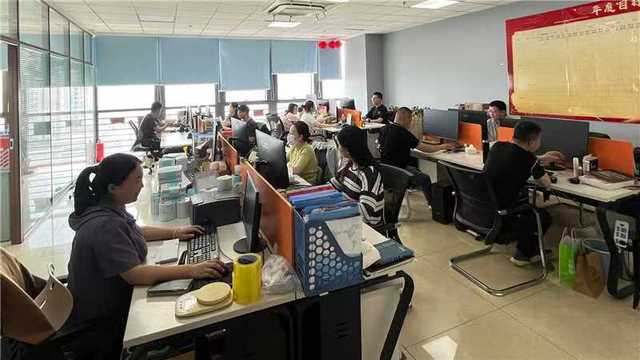
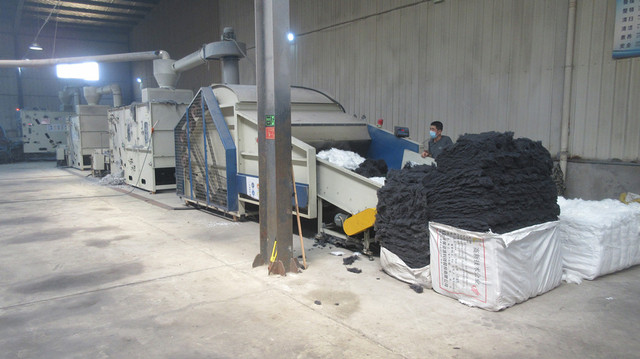
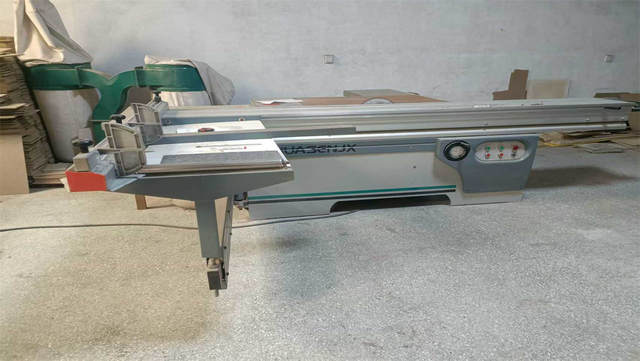
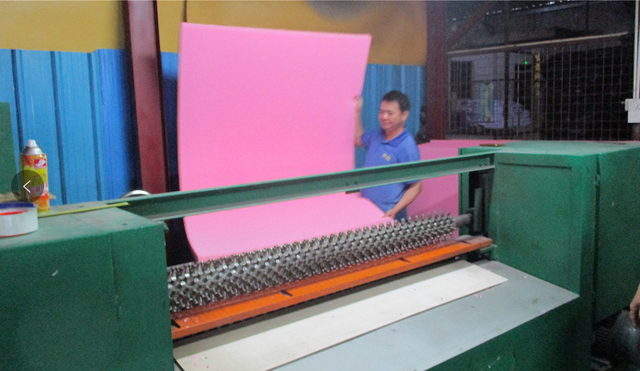
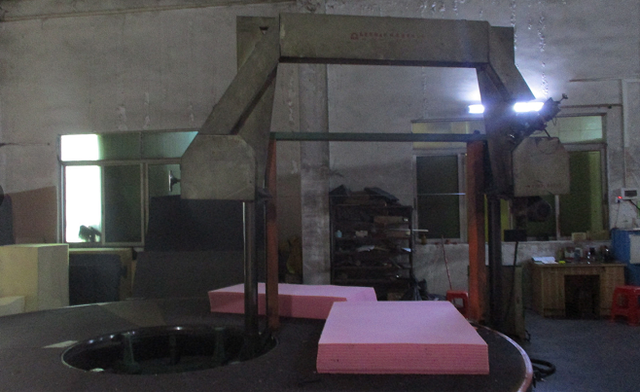
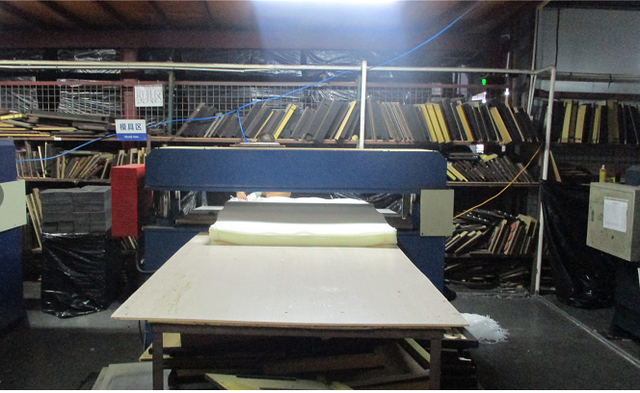
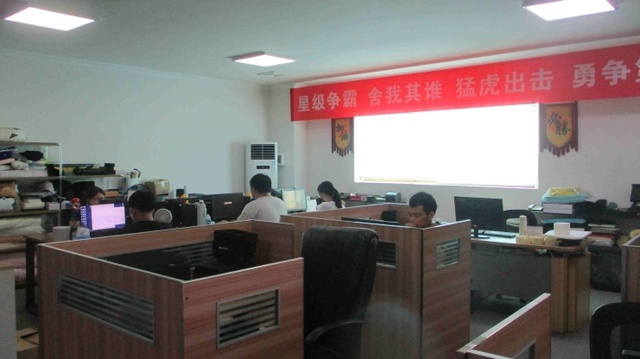
Dongguan Dubuild Panel Co., Ltd. is a professional Acoustic Wall Panel Manufacturer specializing in the design, development, and production of high-performance soundproof panels and noise control solutions for global markets. With its manufacturing base located in the dynamic industrial hub of Dongguan, China, Dubuild Panel integrates advanced production technology, strict quality control, and innovative acoustic engineering to deliver products that meet diverse architectural and environmental needs.
The company’s core product portfolio includes a wide range of acoustic wall panels, sound-absorbing boards, and noise-reduction systems tailored for commercial, residential, hospitality, and institutional applications. These solutions are engineered to improve interior sound quality by minimizing echo, reducing noise transmission, and enhancing acoustic comfort in spaces such as offices, studios, auditoriums, conference rooms, and public venues.
Committed to excellence, Dubuild Panel emphasizes customization and performance, offering clients flexible design options, material selections, and finishes that align with both functional and aesthetic requirements. With a focus on sustainability, the company utilizes environmentally responsible materials and adheres to international standards throughout its manufacturing process.
Through its dedication to innovation, quality, and customer satisfaction, Dongguan Dubuild Panel Co., Ltd. has established a reputation as a reliable partner for architects, designers, and acoustic professionals seeking effective noise control and superior acoustic solutions.
Seamless freight routes from Dongguan/Shenzhen ports straight to Motukea International Port (Port Moresby), ensuring rapid delivery cycles for mega-projects.
Export-grade containerization incorporating vacuum-sealed polyethylene wrapping, edge corner protectors, and desiccant packs to prevent transit humidity damage.
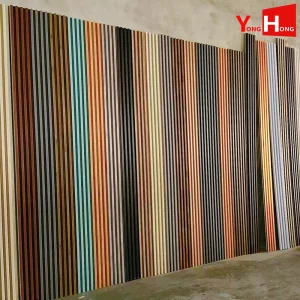
Full customization capability for unique architectural layouts, bespoke CNC perforation patterns, wood-grain finishes, and non-standard modular panel sizes.
Delivering robust acoustic engineering backed by data and international quality certifications.
Strategic acoustic engineering across commercial, civic, healthcare, and educational infrastructure projects in PNG.
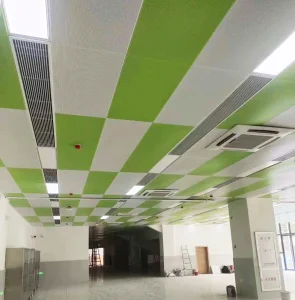
In Waigani administrative towers, speech privacy and clear communication are crucial. High-CAC aluminum honeycomb and acoustic mineral panels ensure sensitive departmental proceedings remain secure while minimizing HVAC background echo.
For installations at Port Moresby General Hospital and private clinics, our antimicrobial ceiling tiles combine high sound attenuation with non-porous, easily cleanable surfaces that resist bacterial pathogens and chemical disinfectants.
At the University of Papua New Guinea (UPNG), lecture auditoriums require balanced reverberation control. Lightweight PET acoustic clouds and wood wool ceiling systems optimize sound distribution from speaker to audience.
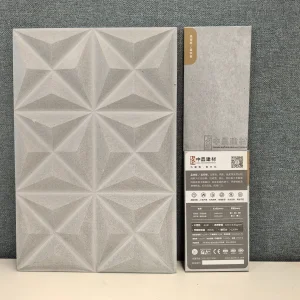
Hospitality venues along Ela Beach and nearby Airways Hotel rely on decorative 3D micro-perforated wood and PET acoustic baffles to create quiet, luxurious atmospheres for international business guests.
High-traffic areas like Jackson International Airport demand durable, impact-resistant metal suspended ceiling panels capable of absorbing continuous jet engine and crowd noise while maintaining structural integrity.
Around the Motukea Industrial Hub, industrial facilities utilize non-combustible fiber cement acoustic boards to manage factory floor reverberation while satisfying heavy-duty fire protection codes.
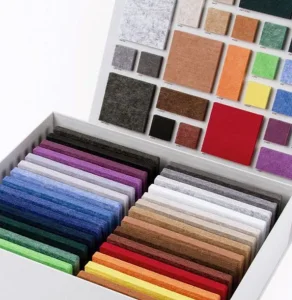
Browse our extensive selection of sound-absorbing, fire-rated, and decorative acoustic panels engineered for export to PNG.
Technical white-paper matrix evaluating core ceiling materials for tropical environments.
| Substrate Material | NRC Rating Range | Relative Humidity Limit | Fire Reaction Class | Weight ($kg/m^2$) | Best Application in PNG |
|---|---|---|---|---|---|
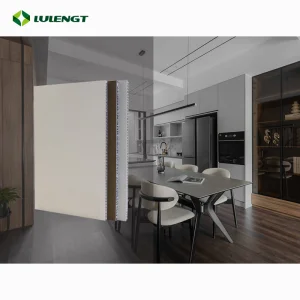
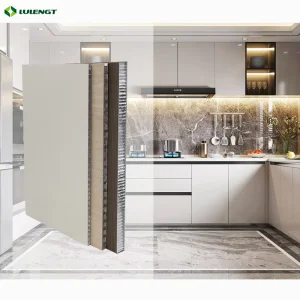
| Microperforated Aluminum Honeycomb | 0.80 - 0.95 | 100% RH (Impervious) | Class A (Non-combustible) | 4.5 - 6.0 | Airports, Port Terminals, High-End Offices |
| High-Density Fiberglass (Fleece Faced) | 0.85 - 1.00 | 99% RH (Hydrophobic) | Class A (BS EN 13501-1) | 1.8 - 2.5 | Open-Plan Offices, Auditoriums, Libraries |
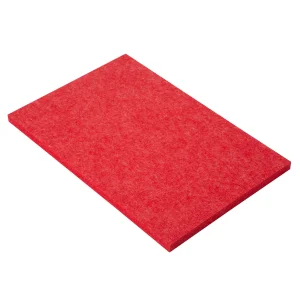
| Compressed PET Polyester Felt | 0.70 - 0.85 | 95% RH | Class B-s1, d0 | 2.2 - 3.2 | Creative Spaces, Restaurants, Baffles & Clouds |
| Mineral Wool Board (Tropicalized) | 0.60 - 0.75 | 90% RH (RH90 Anti-sag) | Class A | 3.5 - 4.8 | Standard Commercial Interiors, Schools |
| Fiber Cement Perforated Board | 0.55 - 0.70 | 100% RH | Class A1 (Non-combustible) | 8.0 - 12.0 | Corridors, Semi-Exposed Canopies, Industrial |
Direct responses for architects, structural engineers, and procurement officers serving Port Moresby and PNG.
Contact Dongguan Dubuild Panel Co., Ltd. today for factory-direct pricing, technical product data sheets, free physical material samples, and customized project quotes.
Send Inquiry Now Dubuild Panel