Effective noise mitigation requires a deep understanding of wave mechanics, structural resonances, and material densities. In modern architecture, spatial echo, reverberation time (RT60), and sound transmission leakage are major design bottlenecks. Standard building materials like glass, concrete, and gypsum reflect up to 98% of incident sound energy, causing elevated noise levels and poor speech intelligibility.
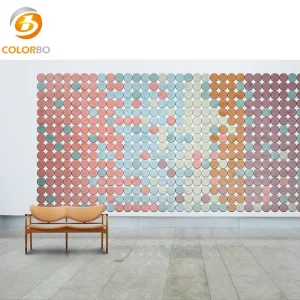
Engineering effective sound dampening panels involves utilizing porous absorption and structural damping physics. When sound waves hit our sound-absorbing WPC, polyester fiber, or wood wool substrates, the microscopic channels convert acoustic pressure waves into thermal energy through viscous friction. Our research indicates that combining dynamic structural design with composite materials yields a balanced Noise Reduction Coefficient (NRC) across critical low, mid, and high frequencies (125Hz to 4000Hz).
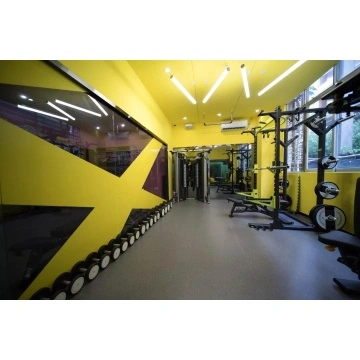
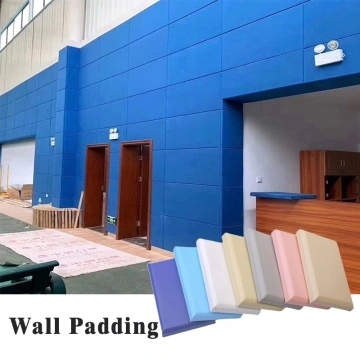
Dongguan Dubuild Panel Co., Ltd. is a professional Acoustic Wall Panel Manufacturer specializing in the design, development, and production of high-performance soundproof panels and noise control solutions for global markets. With its manufacturing base located in the dynamic industrial hub of Dongguan, China, Dubuild Panel integrates advanced production technology, strict quality control, and innovative acoustic engineering to deliver products that meet diverse architectural and environmental needs.
The company’s core product portfolio includes a wide range of acoustic wall panels, sound-absorbing boards, and noise-reduction systems tailored for commercial, residential, hospitality, and institutional applications. These solutions are engineered to improve interior sound quality by minimizing echo, reducing noise transmission, and enhancing acoustic comfort in spaces such as offices, studios, auditoriums, conference rooms, and public venues.
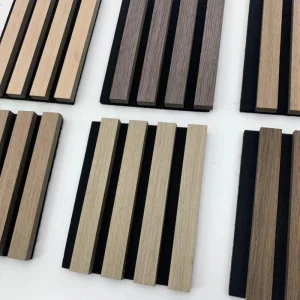
Using computerized numerical control (CNC) routers, our manufacturing lines process wood veneer, MDF, and PET substrates with sub-millimeter precision. This ensures clean grooves, uniform slat alignments, and zero structural deflection across large batches.
Every batch of acoustic panels undergoes destructive and non-destructive testing, checking tensile strength, moisture levels, flammability, and VOC emissions. Our testing matches ISO 354 and ASTM E84 testing protocols.
Located in Dongguan, the manufacturing heart of Southern China, we source raw materials (like post-consumer PET chips and sustainable timber) directly from local chemical and wood processing hubs. This reduces transit emissions and shields buyers from price swings.
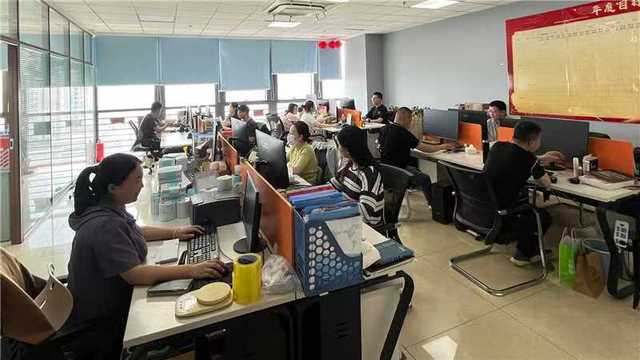
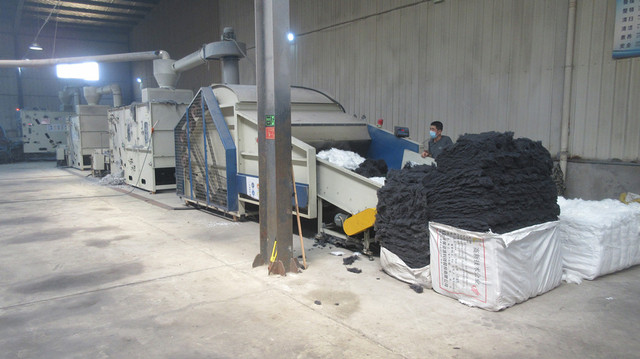
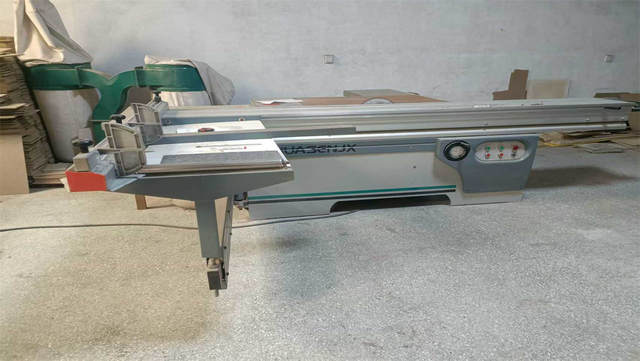
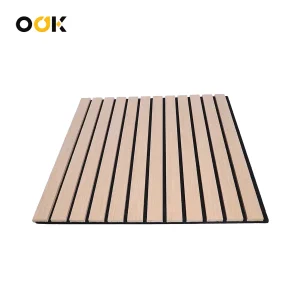
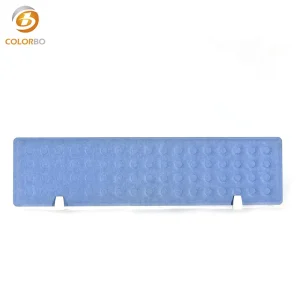
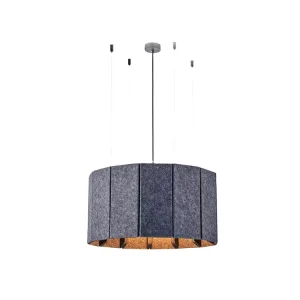
Modern open-plan offices suffer from speech spillover and distracting background noise, which can lower employee productivity. Our acoustic desk screens, hanging baffles, and PET Akupanels isolate speech frequencies (500Hz - 2000Hz) to create comfortable, private work areas.
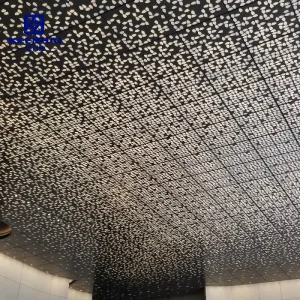
Factory floors, HVAC machine rooms, and exterior generator housings require rugged acoustic treatment. We engineer metal perforated ceiling systems and high-density, fire-resistant outdoor barriers designed to withstand extreme temperatures and environmental wear.
High-fidelity recording spaces need flat frequency absorption. Our wooden diffusers and high-density fiberglass panels reduce flutter echoes and control low-end standing waves, helping studios achieve precise monitor mixes.
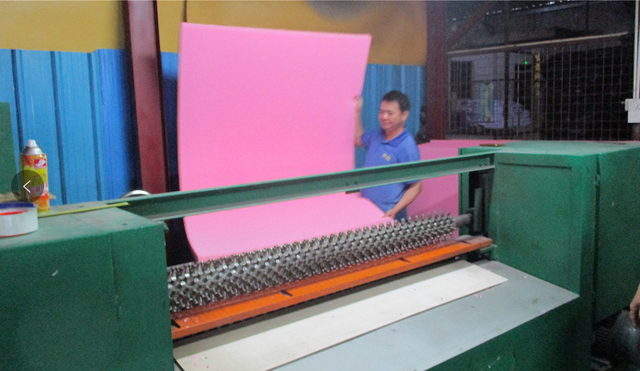
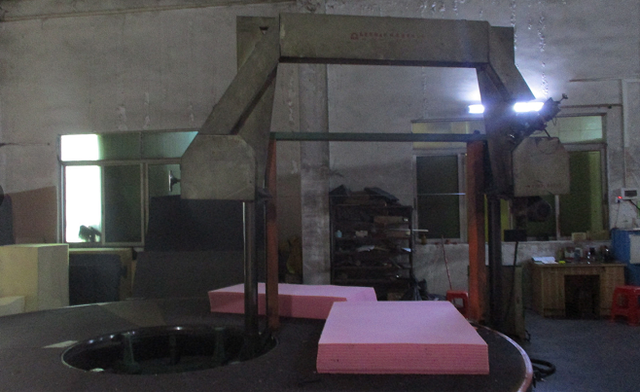
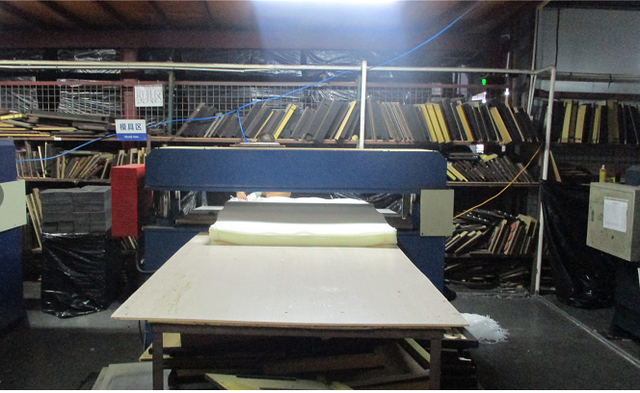
The acoustics market is shifting from heavy, single-function materials toward lightweight, multifunctional, and sustainable composites. Our R&D division is focused on three primary areas:
1. Sub-wavelength Metamaterials: We are designing acoustic metasurfaces that use sub-wavelength structures to scatter and trap low-frequency waves (below 100Hz) in ultra-thin form factors. This bypasses the traditional rule that thick absorbers are required for low frequencies.
2. Bio-based & Circular Matrices: We are transitioning from traditional synthetic binders to bio-derived resins. By pairing agricultural residues (like wheat straw and hemp) with bio-based polymers, our panels remain biodegradable while matching the physical performance of mineral wool and standard MDF.
3. Smart Acoustic Integration: The integration of ambient lighting, air-purification ducts, and wireless transducers directly into acoustic panels is transforming them from simple cladding materials into active, functional building systems.
Our goal is to reduce carbon footprints by 35% across our product line by 2028, and to introduce 100% circular-economy acoustic wall systems that can be returned to raw material loops at the end of their lifecycle.
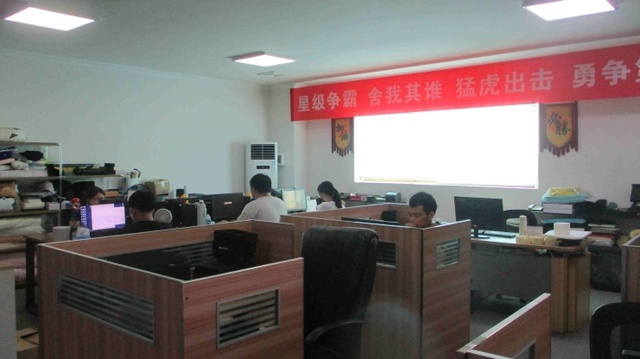
Committed to excellence, Dubuild Panel emphasizes customization and performance, offering clients flexible design options, material selections, and finishes that align with both functional and aesthetic requirements. With a focus on sustainability, the company utilizes environmentally responsible materials and adheres to international standards throughout its manufacturing process.
Through its dedication to innovation, quality, and customer satisfaction, Dongguan Dubuild Panel Co., Ltd. has established a reputation as a reliable partner for architects, designers, and acoustic professionals seeking effective noise control and superior acoustic solutions.
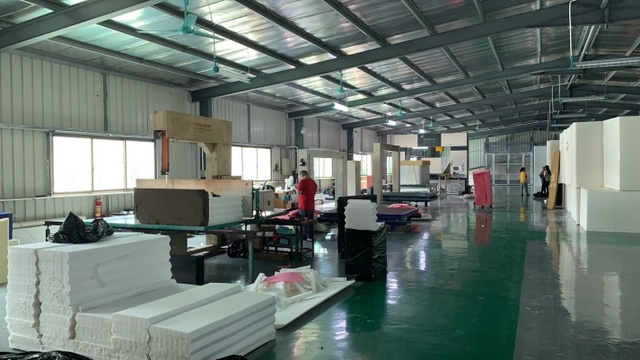
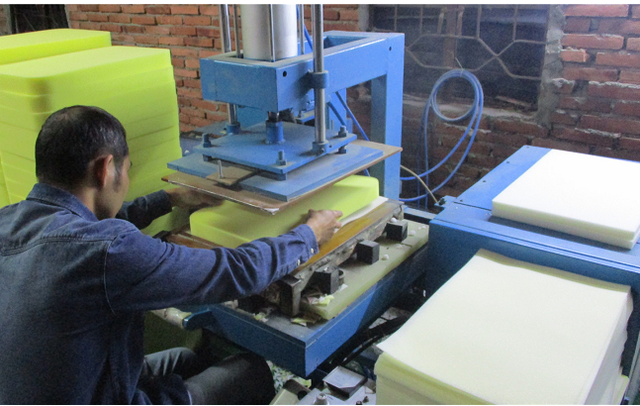
We supply materials compliant with the following global standards:
We work closely with clients to customize acoustic solutions, matching specific paint codes (RAL/NCS), modifying slot geometries, and laminating acoustic backing felts. This allows acoustic treatments to integrate cleanly into existing architectural layouts.
Our close proximity to Shenzhen and Guangzhou ports allows us to offer flexible shipping options (FOB, CIF, DDP). We also package panels in reinforced crates to ensure they arrive undamaged and ready for installation.
Sound absorption controls sound waves within a single room, converting sound energy to heat through porous materials (such as PET or wood wool) to reduce echo and reverberation. Its efficiency is measured by the Noise Reduction Coefficient (NRC).
Sound insulation (or transmission loss) prevents noise from traveling between rooms. This requires dense, non-porous barriers (like mass-loaded vinyl or concrete walls) to block sound transmission. Its efficiency is rated using the Sound Transmission Class (STC) or Weighted Sound Reduction Index (Rw).
Our panels are tested in certified reverberation chambers following ISO 354 and ASTM C423 procedures. The decay rate of sound within the chamber is measured both with and without the test panels installed. This data is used to calculate the sound absorption coefficient across various frequency bands, providing an accurate, verified NRC rating.
Porous absorbers struggle to absorb sound waves with wavelengths longer than the thickness of the material itself. Creating an air gap behind the panels shifts the peak absorption toward lower frequencies. Introducing a 50mm air gap filled with mineral wool behind an Akupanel can improve absorption at 250Hz by up to 150%, saving material costs while maintaining low-frequency control.
Yes. Our polyester fiber panels are manufactured using up to 60% recycled PET bottles. They are physically bonded without chemical adhesives or formaldehyde binders, yielding an E0 emission rating and making them safe for school and healthcare installations.
Installation methods depend on the target acoustic profile. For simple echo reduction, panels can be screwed directly to wooden battens or glued to drywall. For projects requiring high low-frequency absorption, we recommend mounting panels on a furring channel system, leaving a 50mm air gap packed with acoustic batt insulation.
 Dubuild Panel